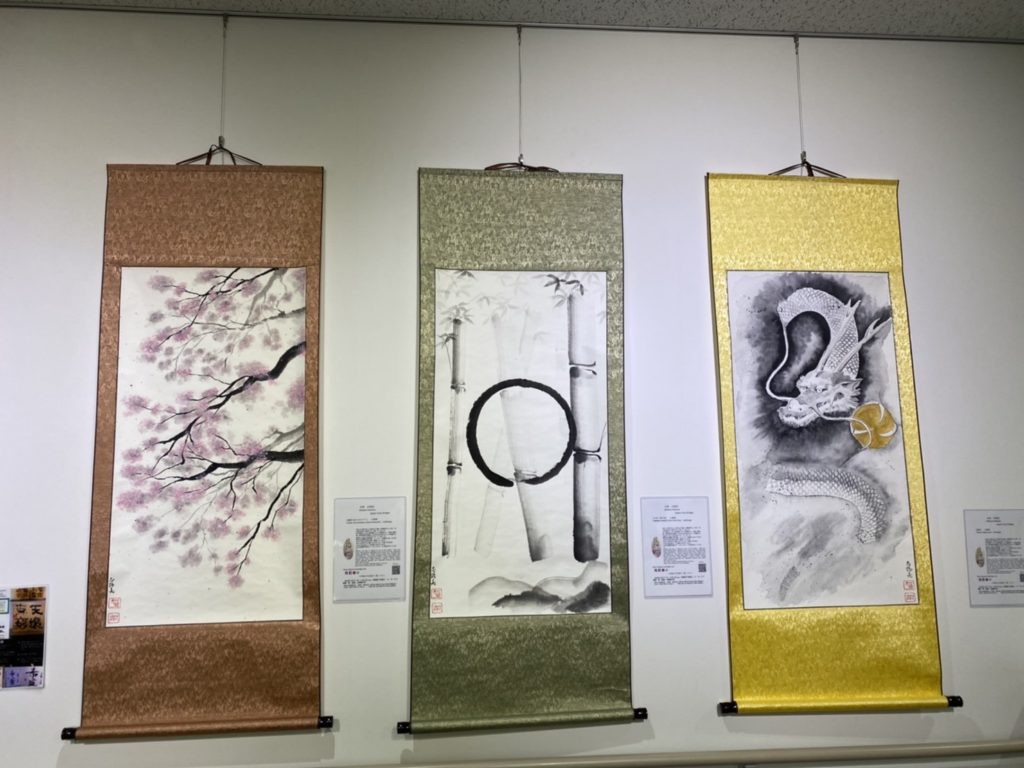
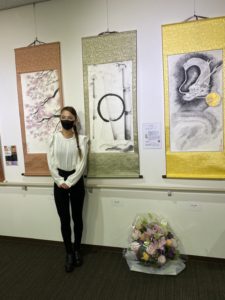
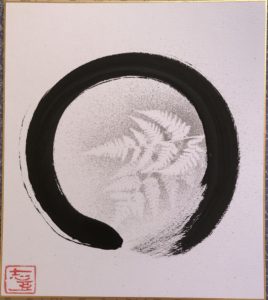
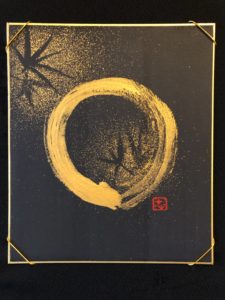
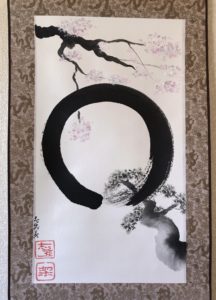
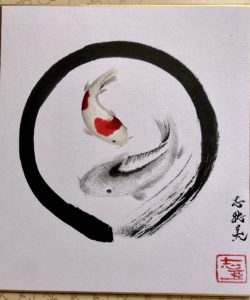
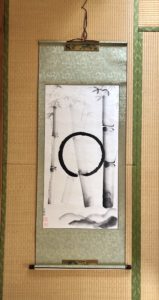
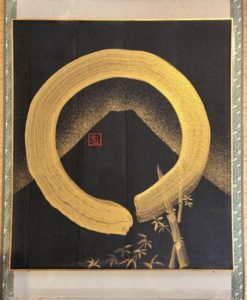
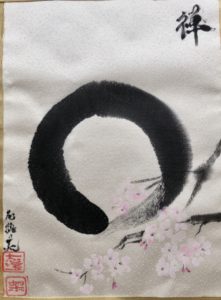
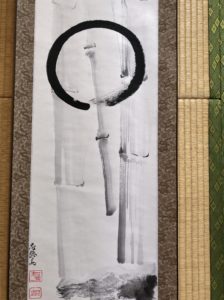
Sometimes different “Kanji”(Chinese character) 円窓 is used for “Enso”, represents “round window”, which means our mind’s window.
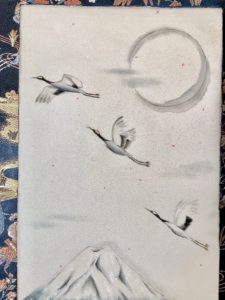
Enso is one of Sumi ink painting (Japanese calligraphy) in Zen.
Usually it is drawn in one brushstroke, and is sometimes called “Ichienzu”(一円図)、”Ichienso”(一円相).
~Enso symbolizes absolute enlightenment, strength, elegance, the universe and “mu”(無)(meaning void). It is characterized by a minimalism born of Japanese aesthetics.~
*Quaoted from Wikipedia
Japanese aesthetics seeking for simplicity is called Wabi-sabi.
Wabi expresses the happiness and mental abundance in the imperfect (hard) circumstances.
Sabi expresses the beauty we can find in imperfection.
So Wabi can be a symbol of inner abundance, and Sabi can be a symbol of outer beauty(simplicity).
When you draw Enso, you have to draw it in one brushstroke, meaning there is no time to stop, no chance to fix.
It is the moment when the mind should be free, and let go of everything.
This is ZEN meditation practice.
In other words, this spiritual practice of drawing Enso is the practice of self-realization.
Sometimes Enso circle is open, which means incomplete.
This incomplete allows more movement, development and practice.
When Enso circle is closed, which represents perfection.
However, how you look at Enso circle and what you have in your mind by looking at it, is totally up to you.
Enso circle is simple, yet really profound and teaches us a lot.
It never stops attracting us, because our entire life is a long trip of self-realization.
I love to draw Enso circle, but at the same time, I love to look at Enso.
Looking at Enso circle is a good meditation.
Gold ZEN circle Enso Japanese painting Kakejiku hanging scroll
Zen circle Enso with Japanese Sakura and Pine tree hanging scroll
Zen circle with Koi fish painting
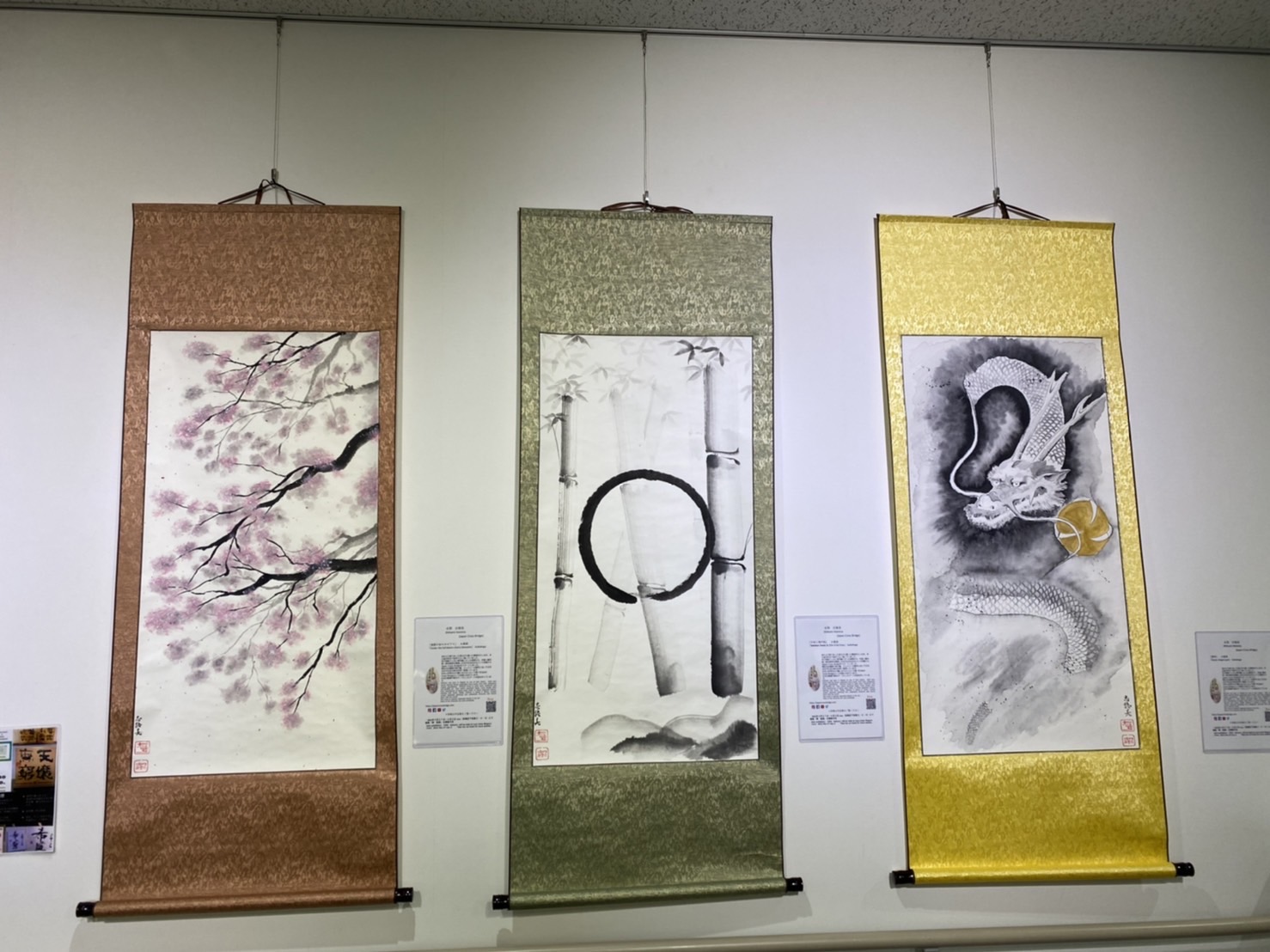
Extra large Japanese Suibokuga painting Zen circle Enso and Bamboo Kakejiku
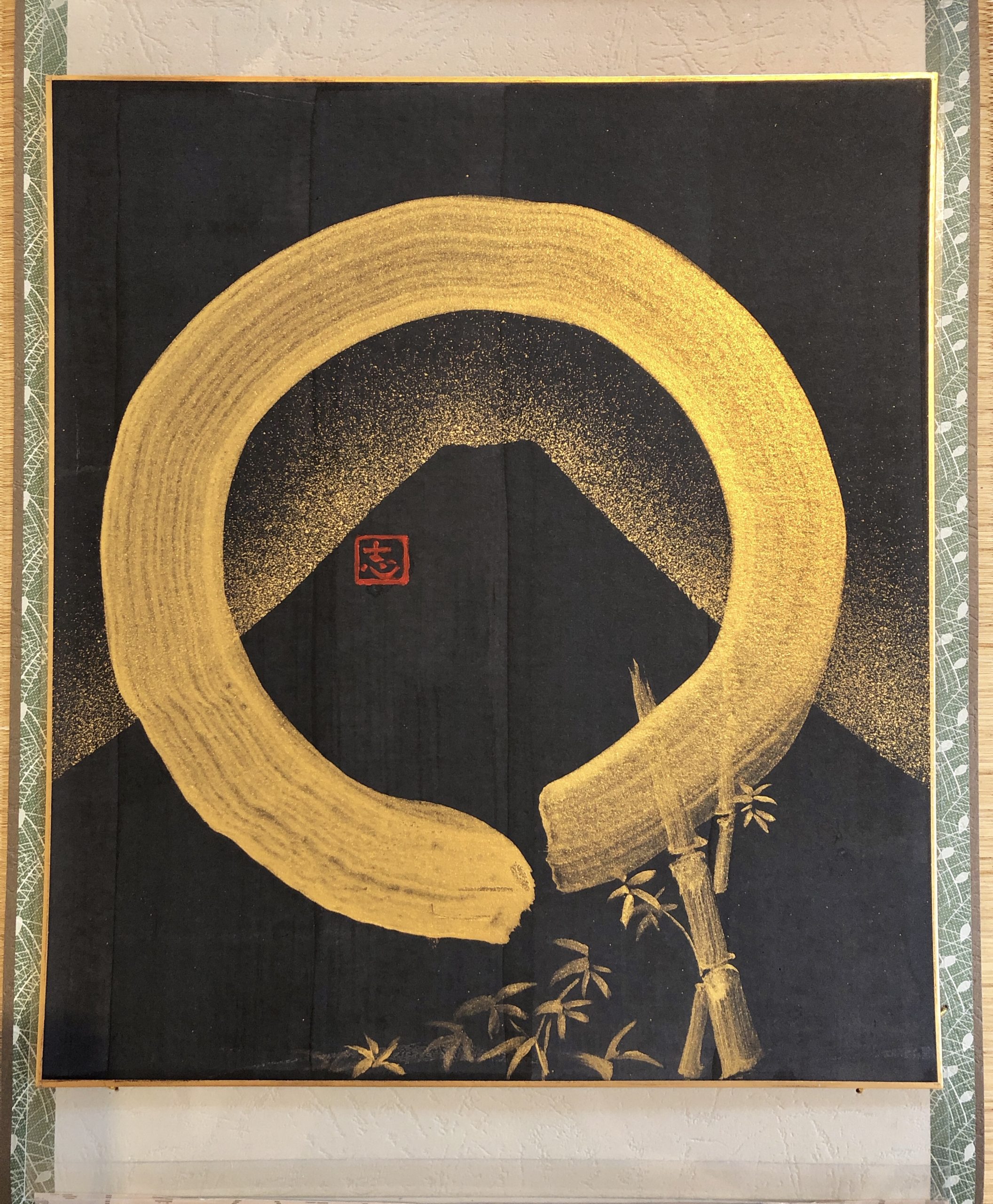
Golden Enso and Mt. Fuji Japanese painting Kakejiku
Kimono silk Zen circle Enso and Sakura Kakejiku
Extra long Zen circle Enso and bamboo Suibokuga painting kakejiku
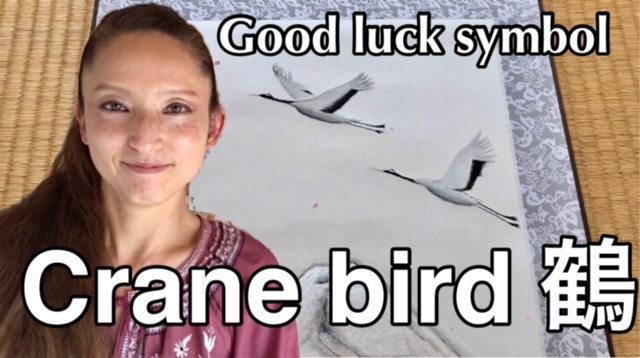
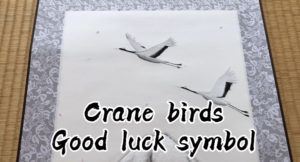
We, Japanese have a deep connection with crane birds since ancient times.
The beautiful crane birds can be seen in many occasions, such as Japanese old stories, music, paintings, and so on.
Crane birds are not just beautiful but also thankful, as they are symbols of long life, prosperity and a good luck.
In Japanese phrases, we have “crane birds live a thousand years, turtles live a ten thousand years”
Also crane bird’s voice is said to reach to the heaven, as they cry loudly.
When crane birds make a couple, they stay forever and never separate.
So we symbolize crane bird couple as “good married couple”.
Especially at weddings, we use crane birds in many situations, for special wedding kimono pattern, for wedding venue decorations, or on celebratory statement.
As crane birds are grateful good luck symbols, we believe that owning something with crane bird motif will bring us a good luck and a healthy long life.
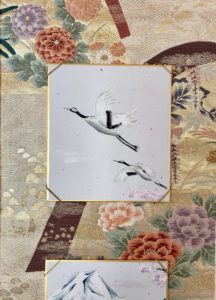
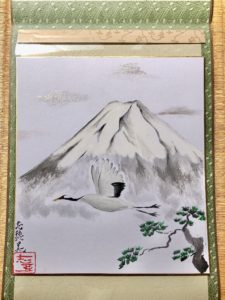
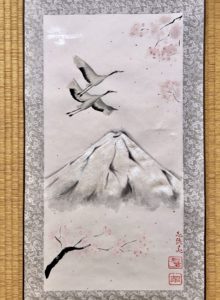
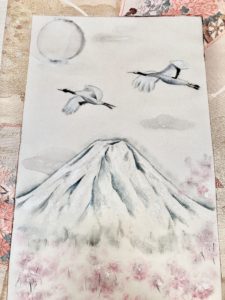
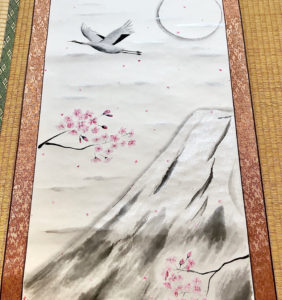
I love to paint these beautiful birds, crane birds on my hanging scrolls too.
crane birds Japanese painting art
Crane birds Japanese painting Kakejiku art
Crane bird Japanese painting art
Crane birds Japanese painting Kakejiku art
Crane birds Japanese painting Kakejiku art
Extra large Japanese painting art Kakejiku crane bird
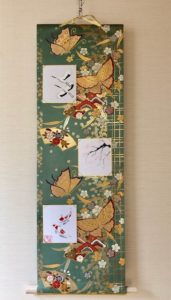
Fukuro obi Kakejiku style Japanese painting art Crane bird, Sakura, Koi fish
Origami is Japanese traditional paper art and kids activities.
It is said to be brought to Japan by Buddhist monks around the sixth century, however there is no evidence about this and the origin of Origami is unknown.
The oldest mention of Origami is the poem written by Ihara Saikaku in 1680.
Now “ORIGAMI” is well known in the world.
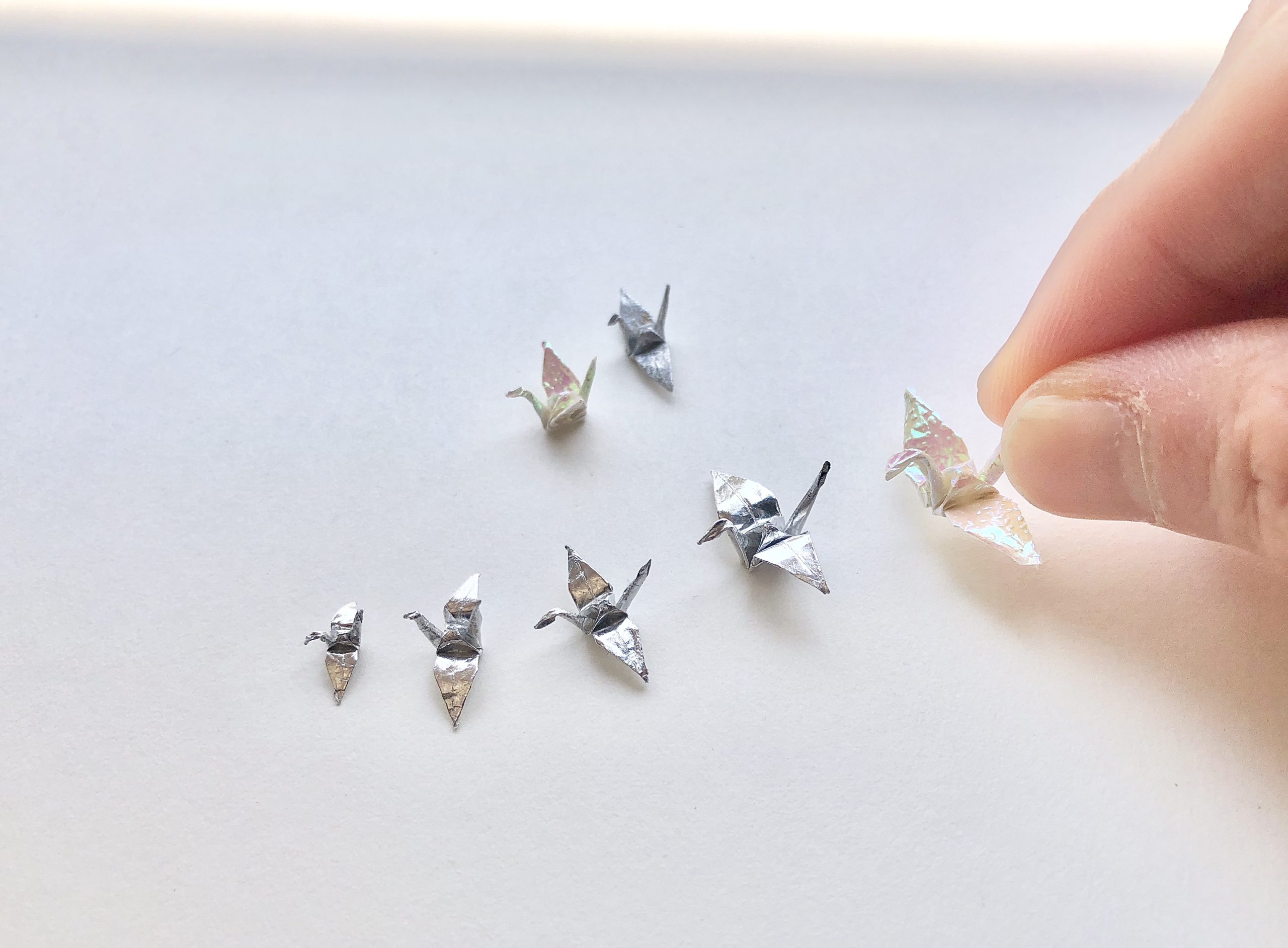
Orizuru – crane bird made with Origami paper-, is one of the famous Origami art.
In Japan, we use Orizuru in many occasions, such as prayer for health or peace, as crane birds are symbols of a long healthy life and a good fortune.
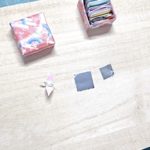
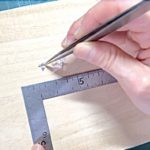
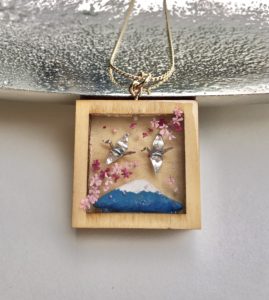
By making miniature Orizuru and putting it in jewelry, the jewelry becomes good luck charm.