Connect Japan and the world through Japanese spirituality| Japan Cross Bridge|Tokyo
Express Japanese art and culture to the world
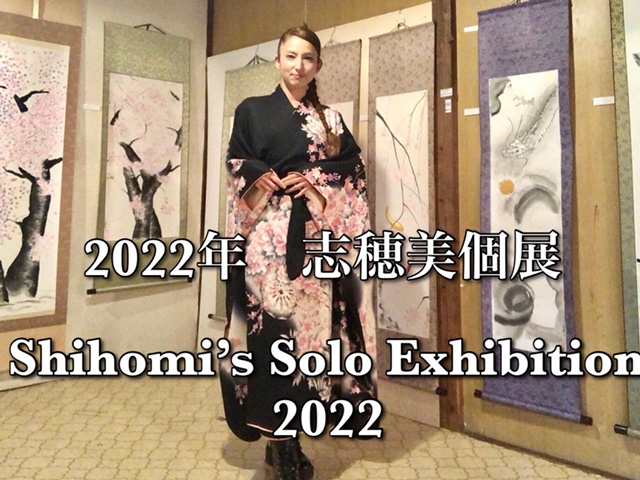
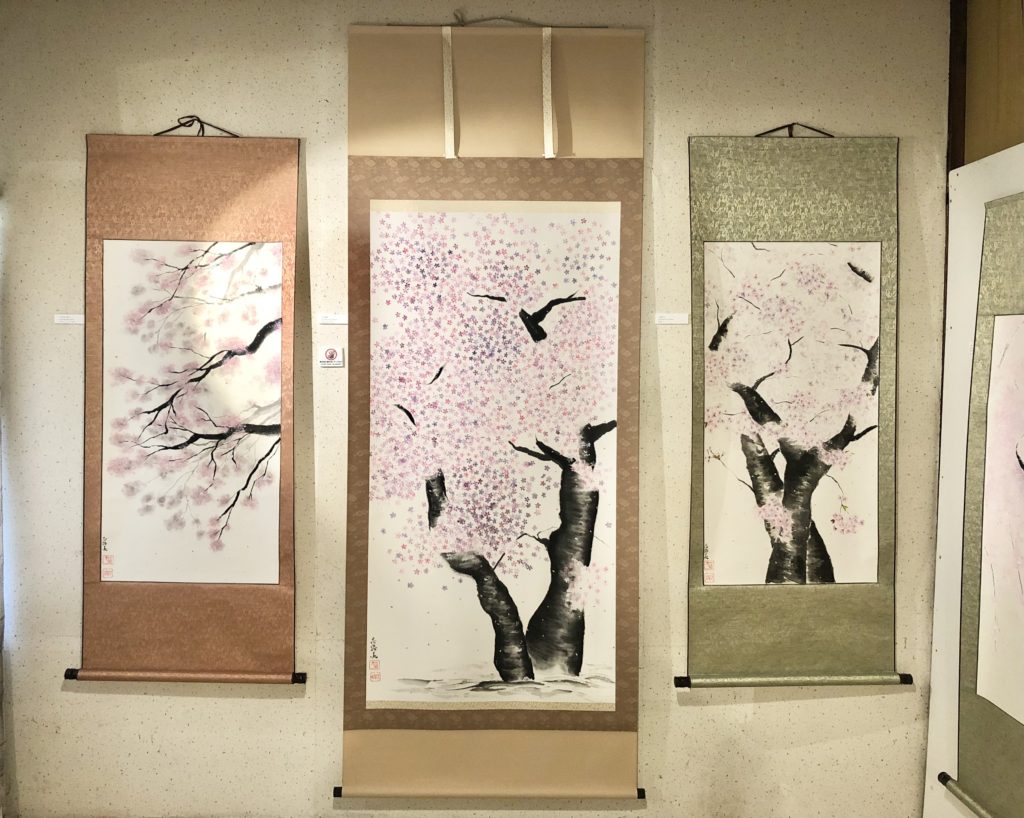
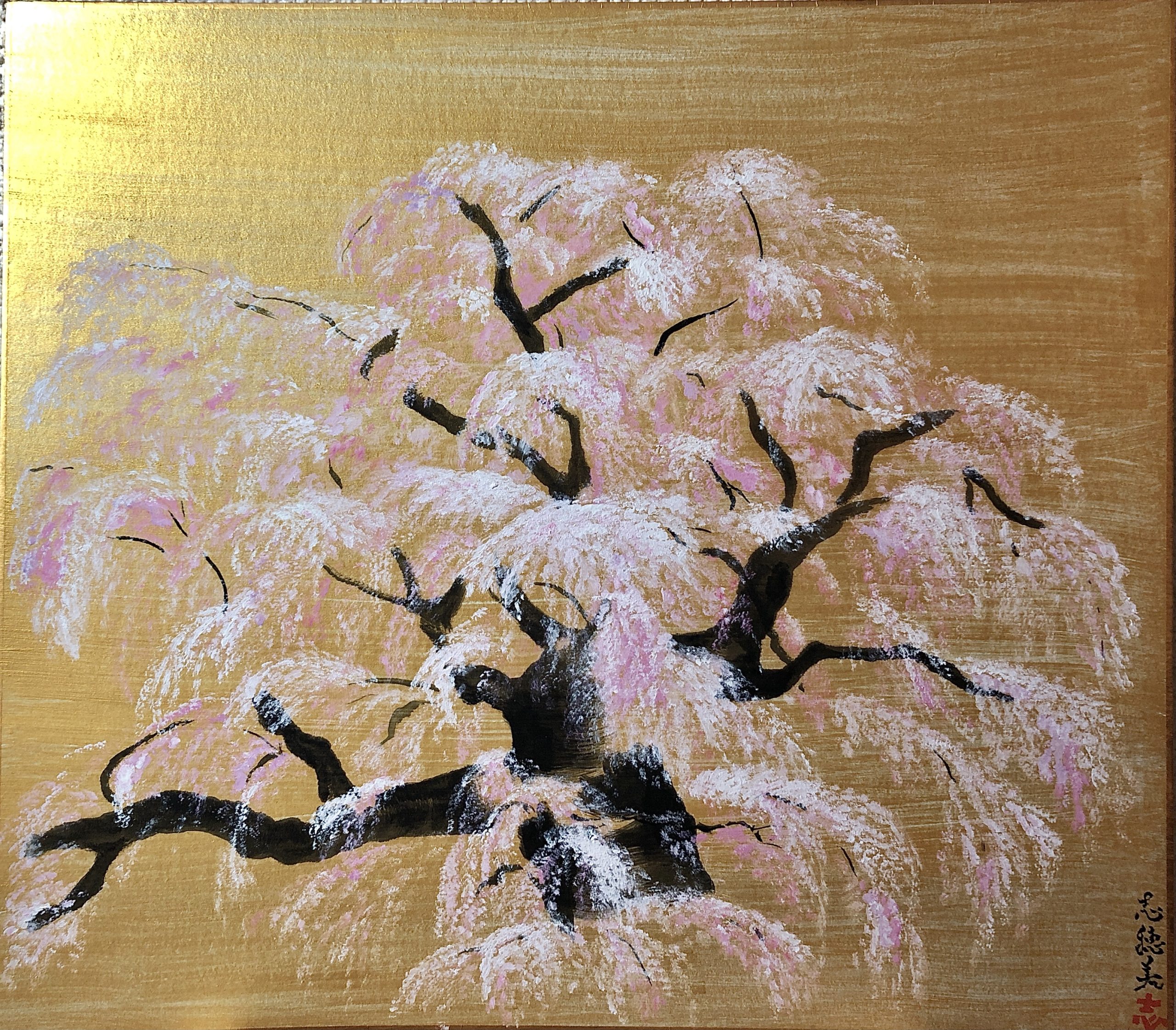
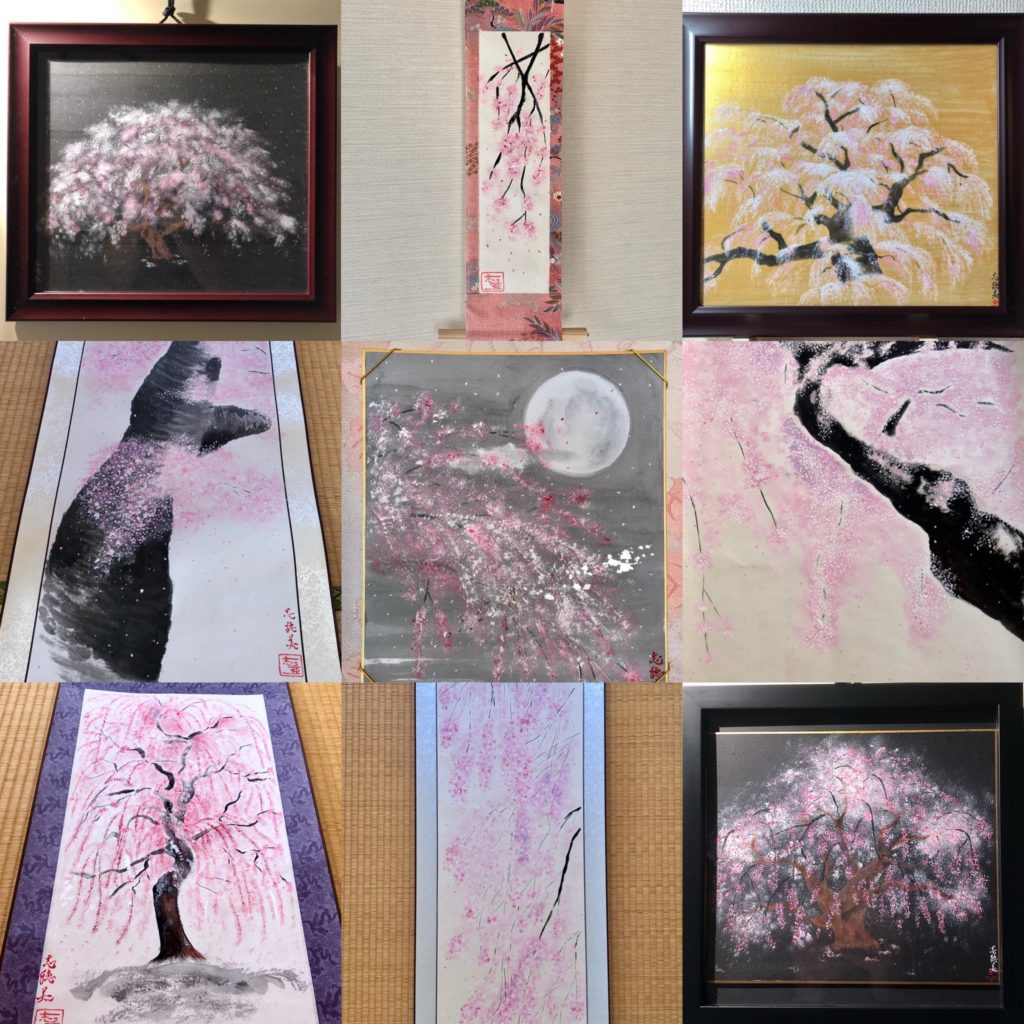
I love to make cherry blossom themed artworks, so I wanted to hold my solo exhibition during the cherry blossom season. I am really grateful that I could hold my first solo exhibition in a nostalgic Japanese old house near Meguro river, Tokyo, where cherry blossoms are really famous. This exhibition is already one of my best memories.
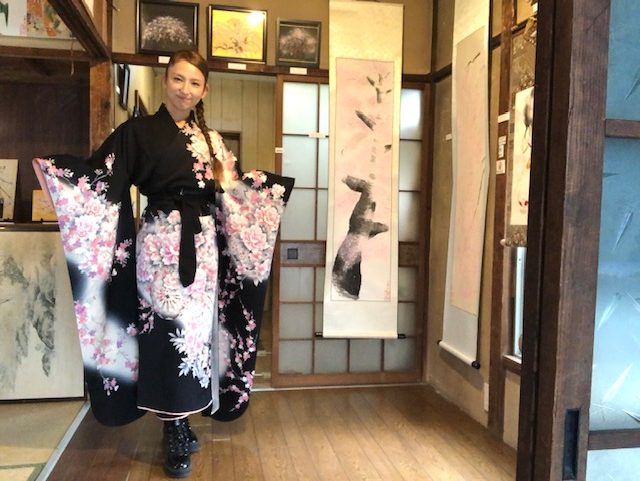
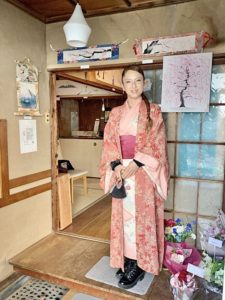
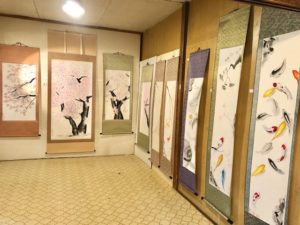
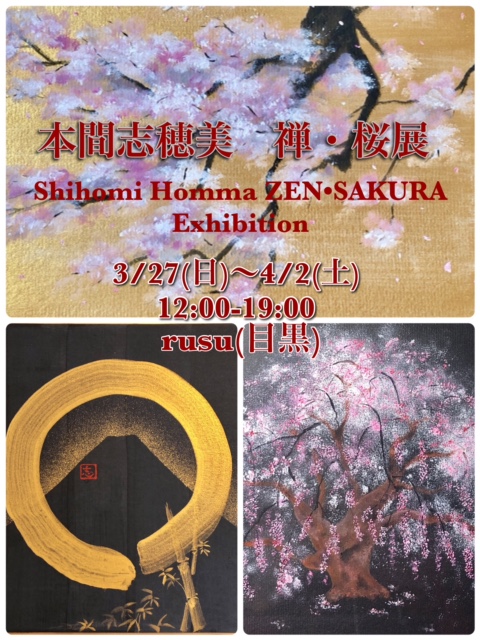
“Shihomi Homma ZEN•Sakura Exhibition” is at “rusu” near Meguro river on March 27-April 2.
Admission free.
Gallery “rusu”
9 mins walk from JR Meguro Station
3-4-9 Shimomeguro, Meguro ku, Tokyo
March 27(Sun) – April 2(Sat)
12:00-19:00
桜の季節に禅桜展を開催。
目黒駅の目黒川からほど近い昔懐かしい民家のrusuにて、個展を開催させていただく運びとなりました。
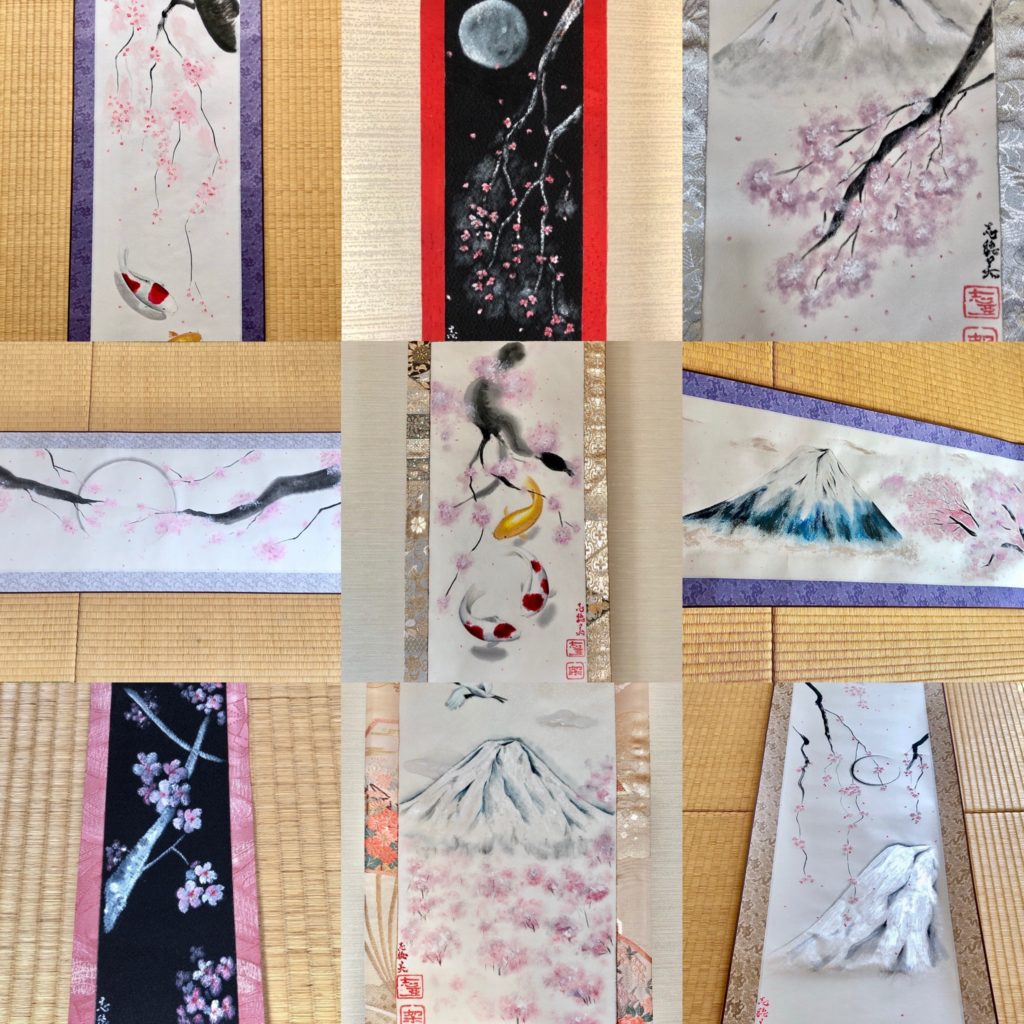
日本の桜、禅をテーマにした水墨画掛け軸などのアートを展示いたします。
これまでJapanCrossBridge(日本と海外の架け橋)として、日本の美や象徴をモチーフとしたアート作品を海外へ発信して参りました。
コロナ渦の中、日本国内でも日本の桜をテーマとした作品を桜の時期に一人でも多くの方にご覧いただければ幸いです。
お花見へ目黒川お越しの際は是非お立ち寄りください。
ギャラリー”rusu” JR目黒駅より徒歩9分
東京都目黒区下目黒3-4-9
3/27(日)〜4/2(土) 12:00-19:00
入場無料
Facebook: https://www.facebook.com/japancrossbridge/
Instagram: https://www.instagram.com/japan_cross_bridge/
個展情報掲載サイト Exhibition information site
http://artmeguri.com/zensakura/
https://www.share-art.jp/event/views/292794
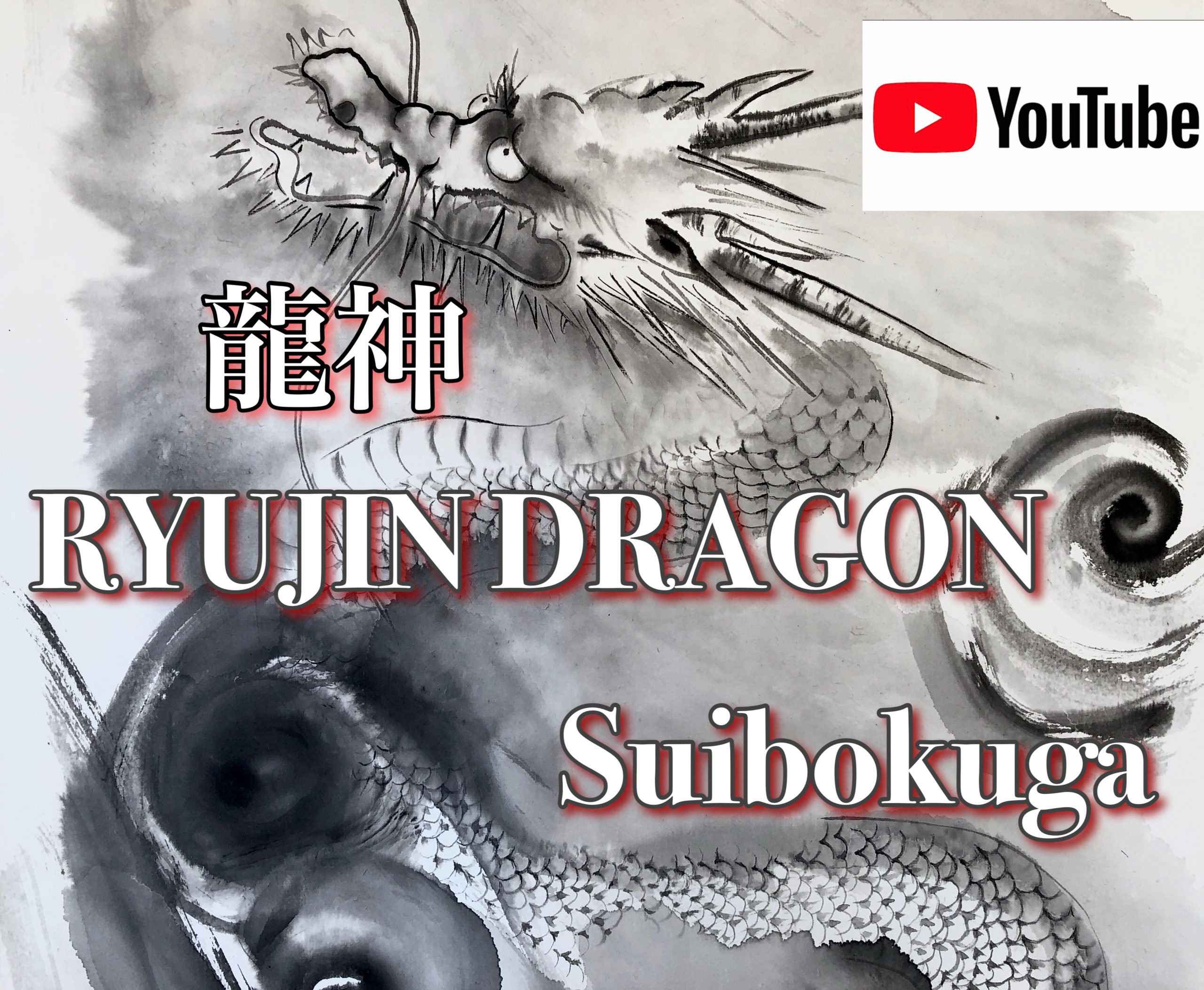
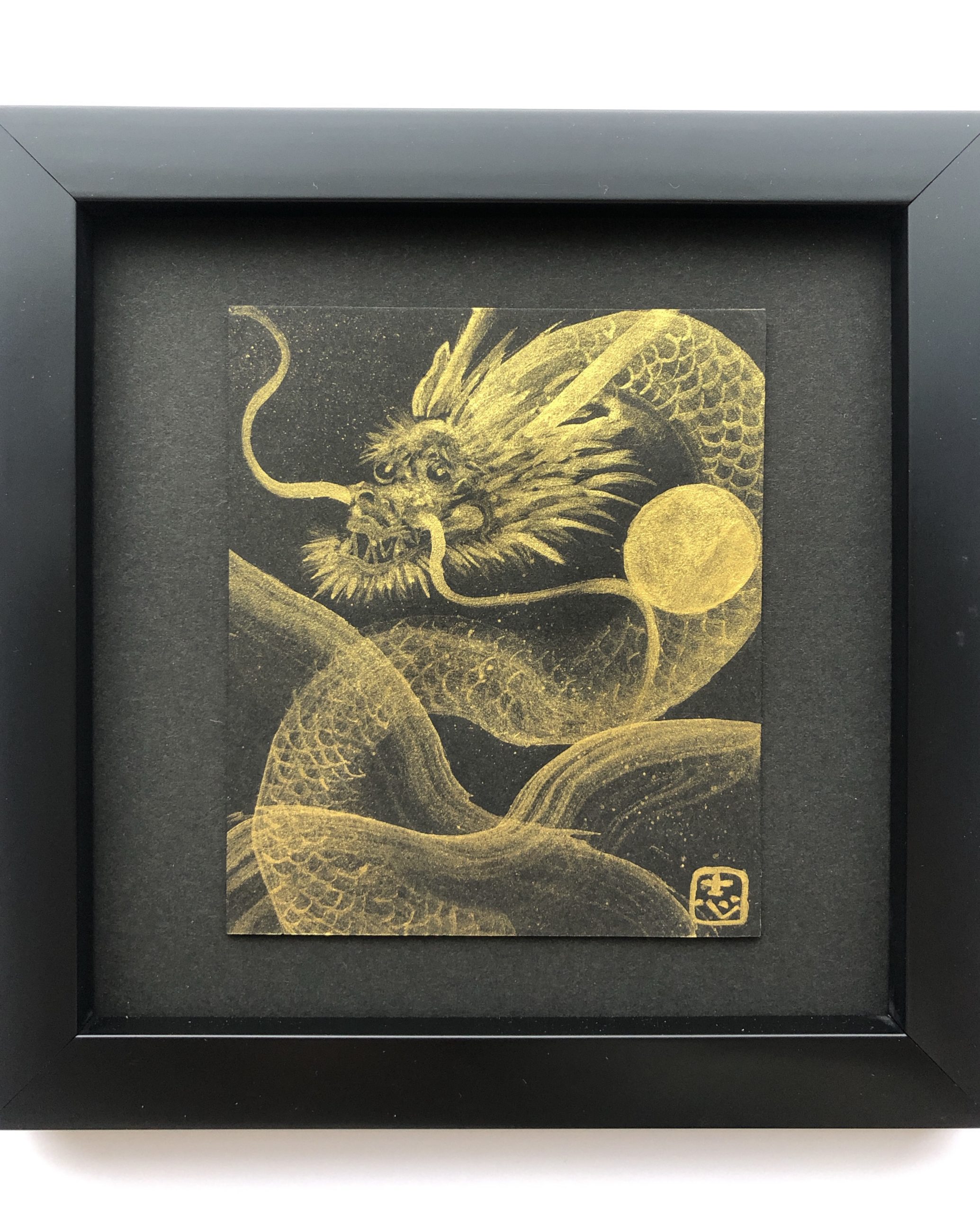
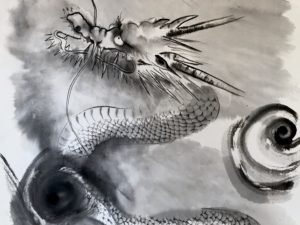
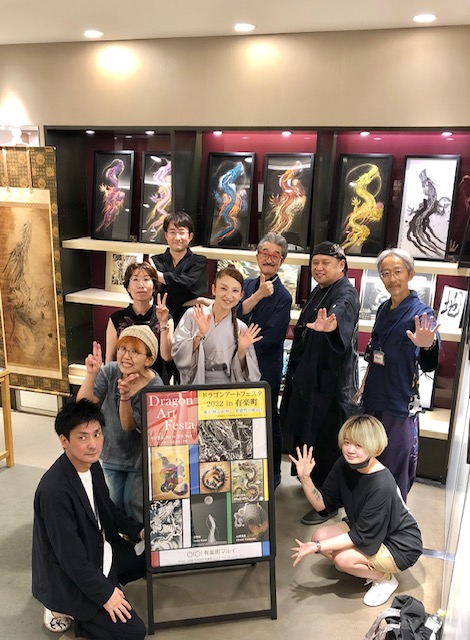
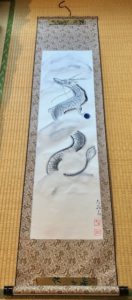
The difference between 龍(Ryu) and Dragon
I started painting 龍(Ryu) and now I am attracted to 龍(Ryu).
When we try to translate 龍(Ryu) into English, it is often said “dragon”.
However, dragons in European countries and 龍(Ryu) in Eastern countries like Japan are totally different.
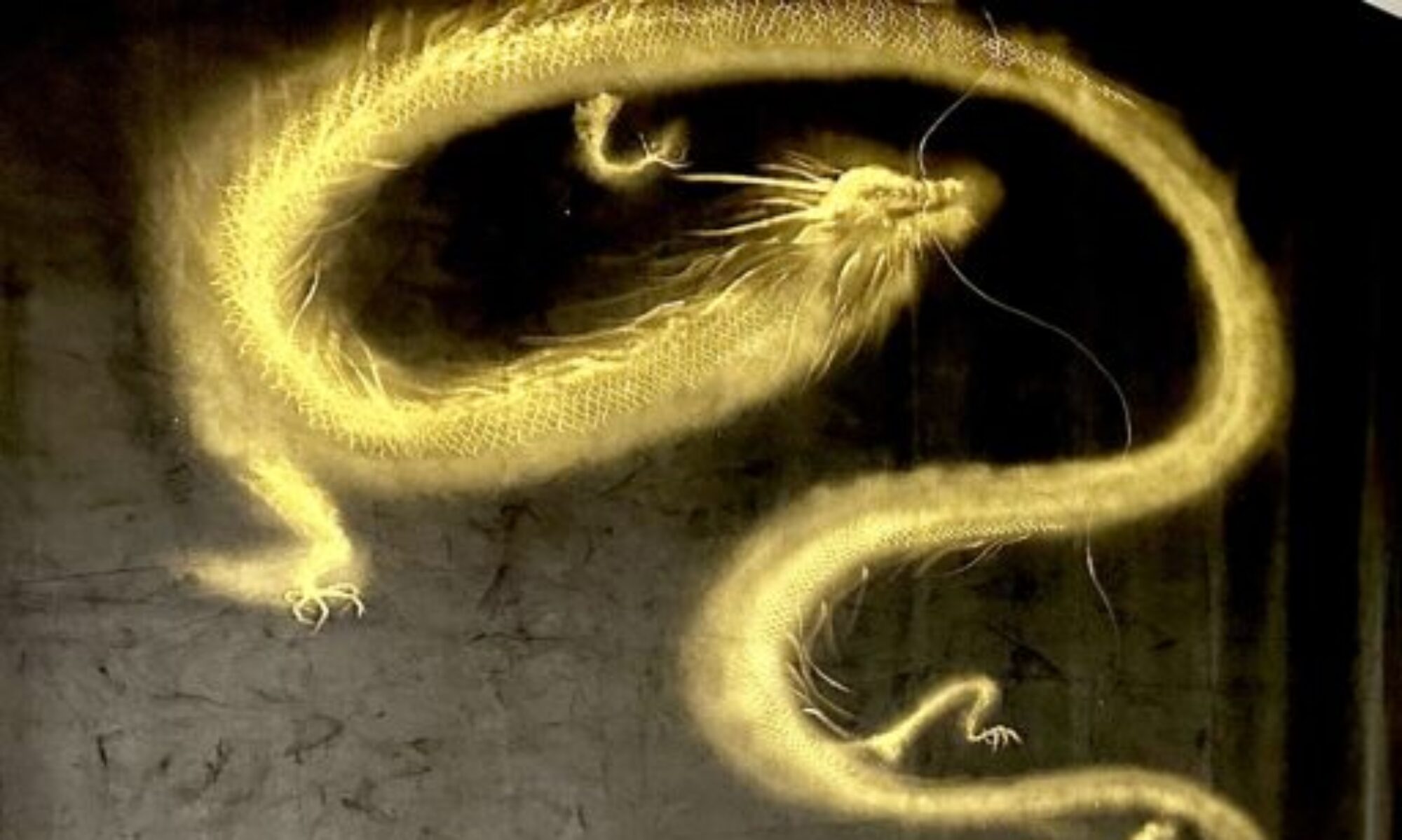
In eastern countries and Japan, 龍(Ryu) is called “RYUJIN” and it is a god.
On the other hand, in European countries, dragon is a bad evil creature.
They look alike but they are not the same.
Dragon has wings and its face is more like a lizard, on the other hand, RYUJIN’s face is more like a snake.
What is in common is, they are both imaginary reptile creatures.
Personally, I like Japanese RYUJIN better, as RYUJIN has a longer body and looks cool.
Japanese RYUJIN can often be seen at temples or shrines.
At the entrance of temples and shrines, there is a water running spot, called “Temizusha”(手水舎).
This is a place to cleanse our hands and mouth before entering temples and shrines.
There, you can see water is running from RYUJIN’s mouth.
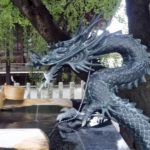
RYUJIN has been believed to be a god which brings rain and brings good harvest.
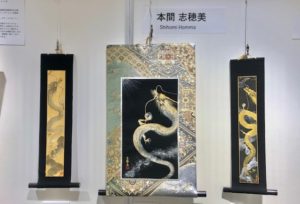
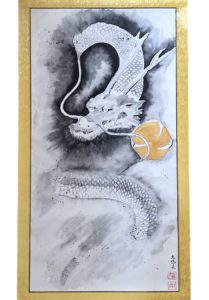
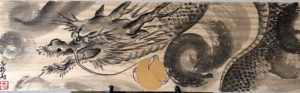
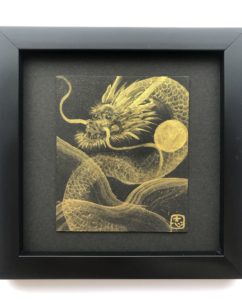
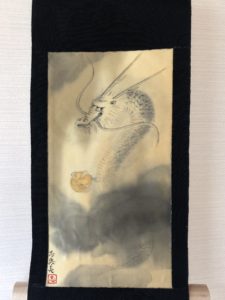
We see many Kakejiku paintings of RYUJIN going up to the sky, surrounded with rain clouds which RYUJIN created by itself.
There is also a sacred ball which RYUJIN holds.
It is called “Cintamani stone”, which makes your dream come true.
RYUJIN god is a very precious, good luck symbol.
That is why we have RYUJIN god Kakejiku hanging scrolls hung in the house since ancient times.
By the way, why does good luck god have that scary face…?
Hanging RYUJIN Kakejiku hanging scroll doesn’t make kids get scared at night…?
But there is a reasonable reason.
In order to fight and get away the evil spirit, RYUJIN has such a scary face.
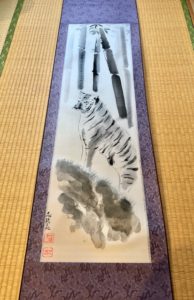
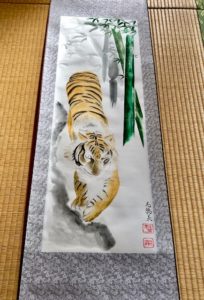
Same as Tiger Kakejiku.
We often see Tiger glared at us with its powerful scary eyes on Kakejiku.
That is to fight and get away the evil spirit.
Anyway, I am attracted to RYUJIN,
and my RYUJIN art is increasing little by little…
“RYUJIN god is a god of water. Human beings cannot live without water. That means we human cannot live without RYUJIN god.”
Drawing RYUJIN god is a great practice of life for me.
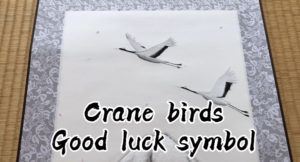
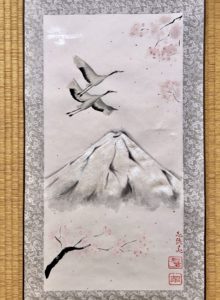
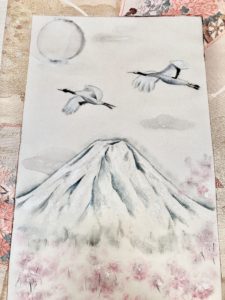
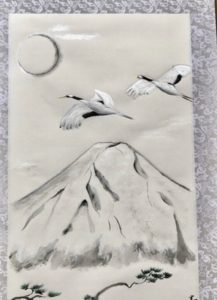
Crane birds – Japanese good luck symbol
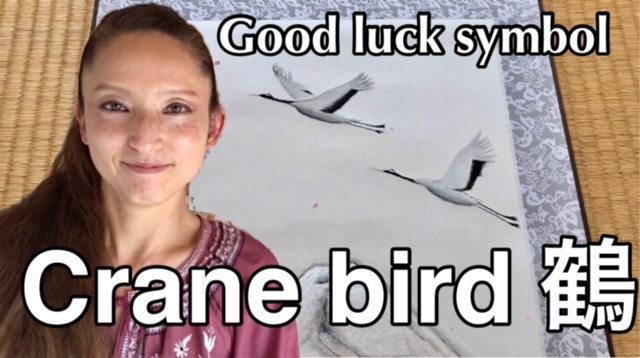
We, Japanese have a deep connection with crane birds since ancient times.
The beautiful crane birds can be seen in many occasions, such as Japanese old stories, music, paintings, and so on.
Crane birds are not just beautiful but also thankful, as they are symbols of long life, prosperity and a good luck.
In Japanese phrases, we have “crane birds live a thousand years, turtles live a ten thousand years”
Also crane bird’s voice is said to reach to the heaven, as they cry loudly.
When crane birds make a couple, they stay forever and never separate.
So we symbolize crane bird couple as “good married couple”.
Especially at weddings, we use crane birds in many situations, for special wedding kimono pattern, for wedding venue decorations, or on celebratory statement.
As crane birds are grateful good luck symbols, we believe that owning something with crane bird motif will bring us a good luck and a healthy long life.
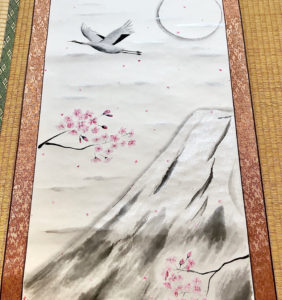
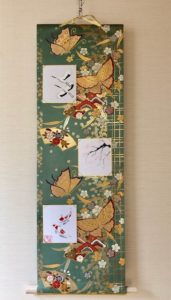
I love to paint these beautiful birds, crane birds on my hanging scrolls too.
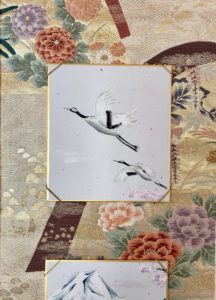
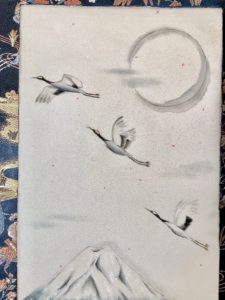
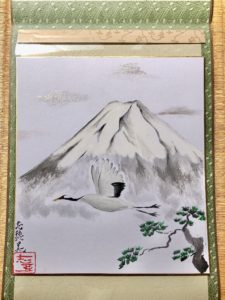
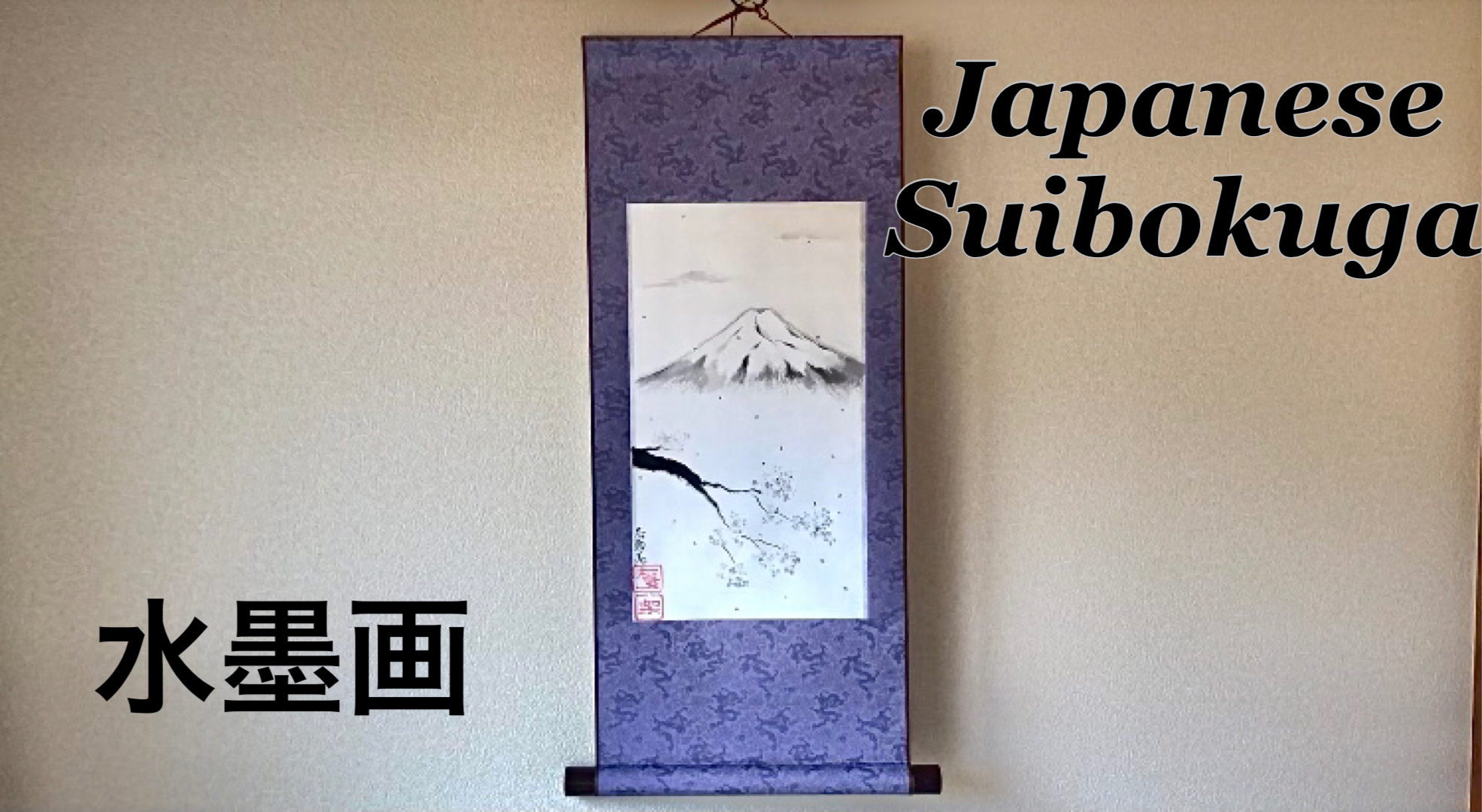
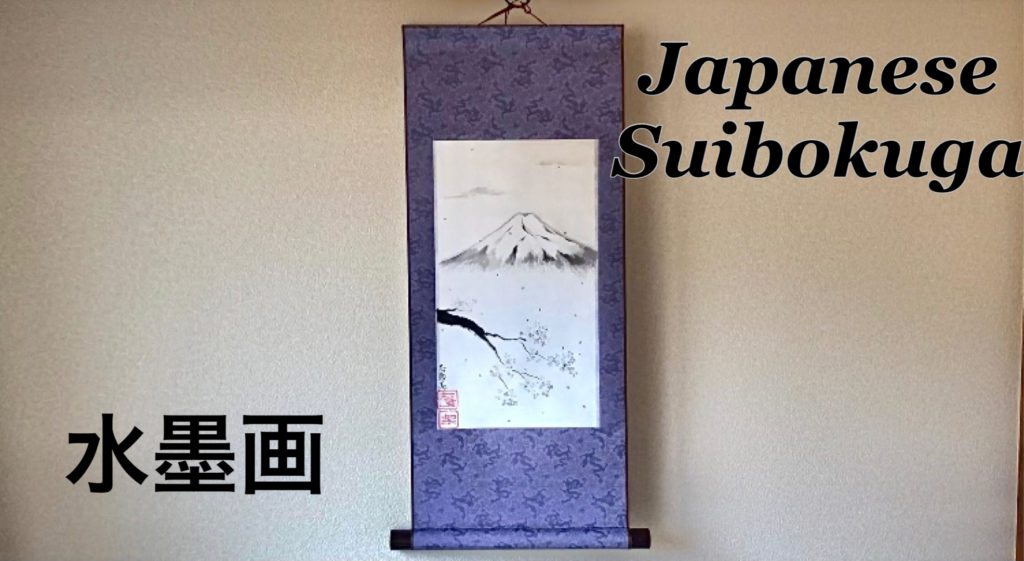
Suibokuga (水墨画)- Japanese traditional painting art
Suibokuga is sometimes called Zen Painting.
Sumie is painting with ink.
And Suibokuga is one of Sumie painting, with the gradation of dark black to light black.
Main tool for Suibokuga, “Sumi ink” is made from mainly soot, animal glue, and perfume.
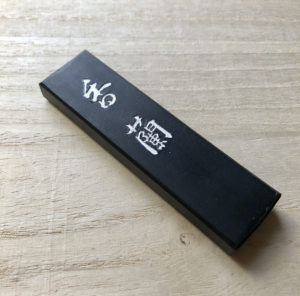
We add a little water into an inkstone (suzuri) and rub sumi ink, it becomes dark black color.
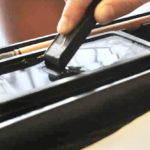
By mixing this black ink with water, we can create the gradation color of black to light grey.
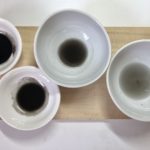
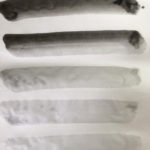
In Japan, Suibokuga is not just about paintings drawn with only ink, but we include some colored paintings drawn with mainly ink and some pigments also.
Sumie: The way of painting with ink was already in Japan since Nara period (710 – 794).
And Suibokuga style was brought in Japan at around Kamakura period (1185 – 1333), then became very popular especially at around Muromachi period (1336 – 1573), as Suibokuga style paintings were deeply connected with ZEN temples.
Until 14C, the subjects of Suibokuga were humans called “Jinbutsu ga” (人物画) , and flowers and birds called “Kacho ga” (花鳥画).
In 15C, “Sansuiga”(山水画) , meaning “mountains and water paintings” became popular.
Subjects of this Sansuiga is nature, such as mountains and water falls, rocks, trees etc.
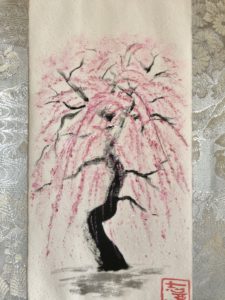
I love to paint Japanese nature and symbols in Suibokuga.
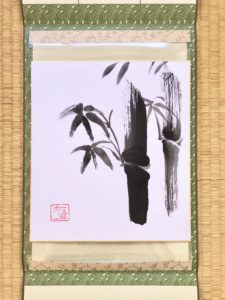
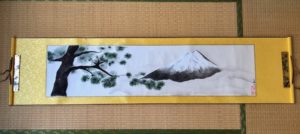
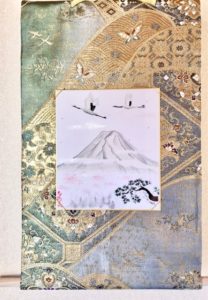
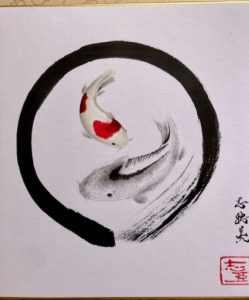
Sakura cherry trees, bamboo tees, pine trees, Mt. Fuji, crane birds, and koi fish.
Sometimes tigers and Ryujin dragon god as well.
Tigers and Ryujin dragon god are also very popular subjects for Suibokuga.
I love to express Japanese beauty with the amazing gradation of ink with some colors.
That is my Suibokuga.
y
The reason why cherry trees were planted.
Have you ever thought about the reason why cherry trees were planted?
In Japan, we can see so many cherry trees in everywhere.
Many of them are really old, few hundred years old.
An interesting point is, many cherry trees are planted by rivers.
This has a reasonable reason.
Ancient Japanese people planted cherry trees by rivers, so that many people would come and see the beautiful cherry blossoms.
They knew that many people visiting and walking there, would help make the soil harden, and help make the solid river bank.
So cherry trees were planted as a flood control measures.
Another interesting point is, that many cherry trees are in shrines and temples as well.
Shrines are Shintoism, and originally have deep relations with pine trees, but not with cherry trees.
However, people thought cherry blossoms’ gracefulness symbolizes the samurai spirit, and many shrines preferred to plant cherry trees as well.
Temples are Buddhism which has the deep relations with flowers.
They admired cherry blossoms as well as plum blossoms.
We cannot talk about Japanese history without the relations with temples.
Muromachi era, Sengoku era, around 13C to 16C, many temples already had cherry trees.
Famous Samurai and shogun enjoyed Sakura viewing “Ohanami” since then.
In Japan, people enjoy Sakura viewing “Ohanami” since ancient time, and this is a Japanese culture.
Many famous Sakura spots in Kyoto and Nara are in temples and shrines.
In Tokyo too, many famous Sakura spots are in temples and shrines, as well as by rivers, or near the water.
Ueno park, where many people visit for Sakura viewing, was once a temple.
Imperial palace is surrounded with moat.
Meguro river, Kanda river, Sumida river, Tamagawa river, Arakawa river, are all famous Sakura spots.
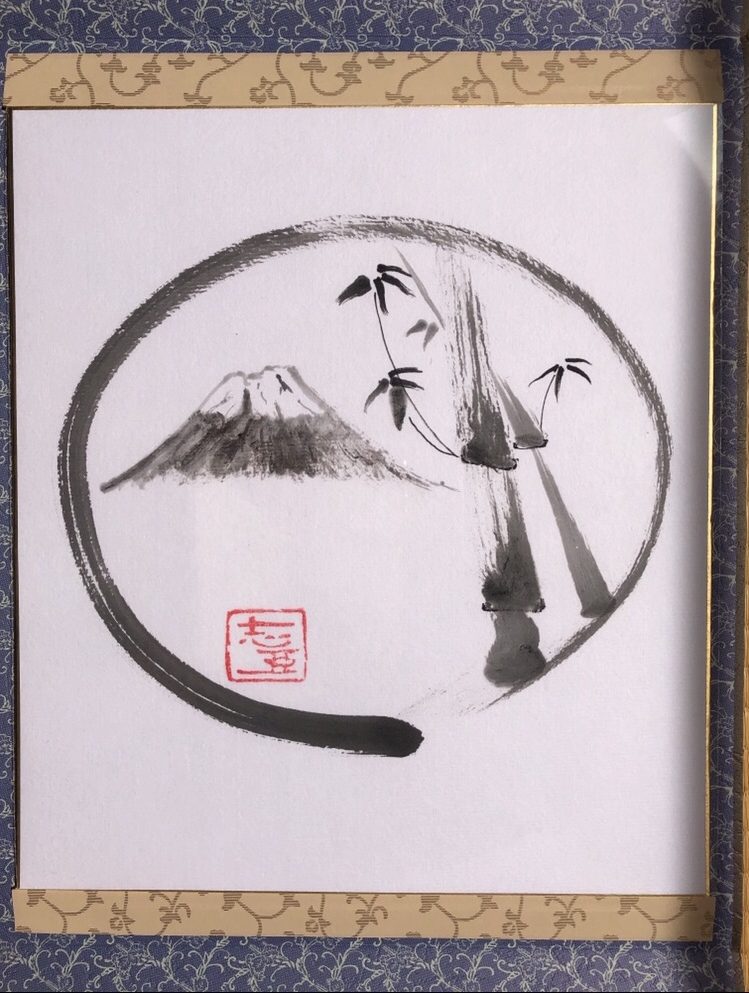
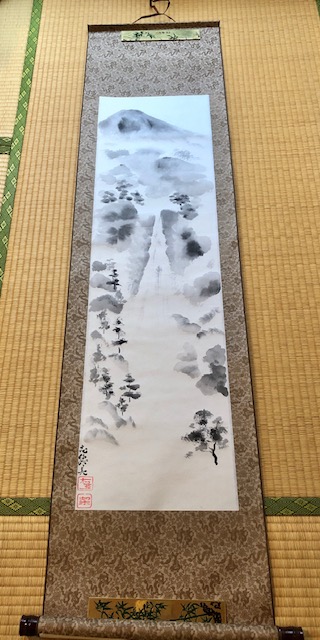
When I started doing calligraphy again, I did not think about painting.
Ink painting (墨絵 Sumie) is well known in Japan, and my grandmother used to do Ink painting art, so it was familiar to me too.
Plus I liked painting since I was small.
But my experience was only oil painting, and no Ink painting art experience.
When I started painting using ink, I realized how deep and intricate Ink painting art was.
Only using water and ink, gradation of black color to thin grey color can create amazing picture.
I was amazed by its simplicity yet, beauty and sensitivity.
The smell of ink is relaxing too.
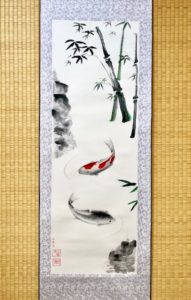
I started drawing bamboo first.
Bamboo is the Japanese symbolic trees and great theme for meditation.
Then I received the request from customers.
“Can you draw Koi fish?”
I started drawing Koi fish, and found out this was more fun.
Koi fish is the symbol of Japanese beauty, and is believed to bring us a good luck.
I really love painting Koi fish.
Now my drawing themes are more.
Mt. Fuji, Sakura cherry blossoms, Pine trees, crane birds, etc., all expressing Japanese beauty.
When I draw more of these themes, I find more of Japanese beauty.
And I realize how grateful I am, as being a Japanese, being connected with Japanese culture and beauty.