ZEN art exhibition Sagami Ono finished!
We are grateful that we had this opportunity to exhibit.
Thank you for everyone who came to this exhibition!
Connect Japan and the world through Japanese spirituality| Japan Cross Bridge|Tokyo
Express Japanese art and culture to the world
ZEN art exhibition Sagami Ono finished!
We are grateful that we had this opportunity to exhibit.
Thank you for everyone who came to this exhibition!
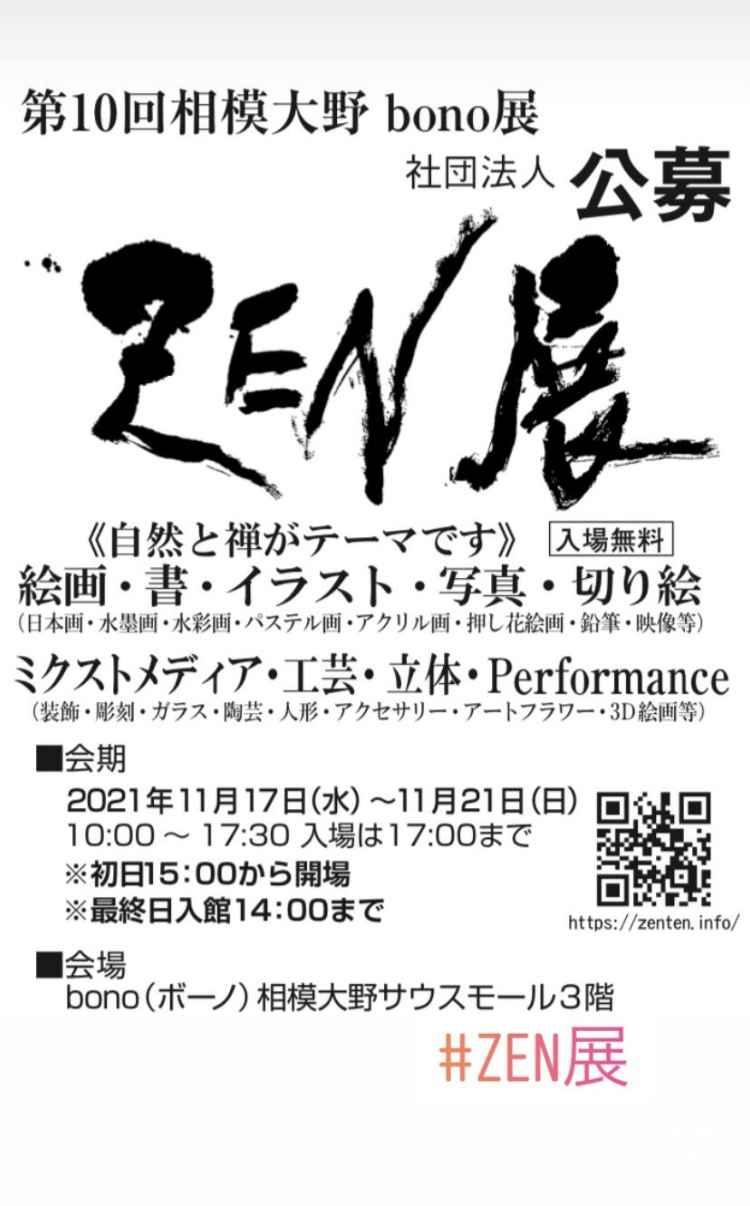
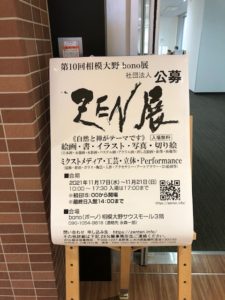
We are participating in ZEN art exhibition, coming November 17th~21st, 2021.
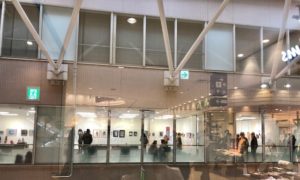
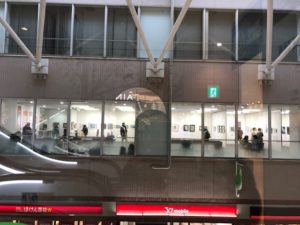
It is held at bono Sagami-Ono, South mall 3rd floor, (beside Sagami-Ono station)
Sagamihara city, Kanagawa prefecture : about 30 mins by Odakyu-line rapid-express from Shinjuku station
November 17, 15:00-17:30
November 18~20, 10:00-17:30
November 21, 10:00-14:30
Free admission
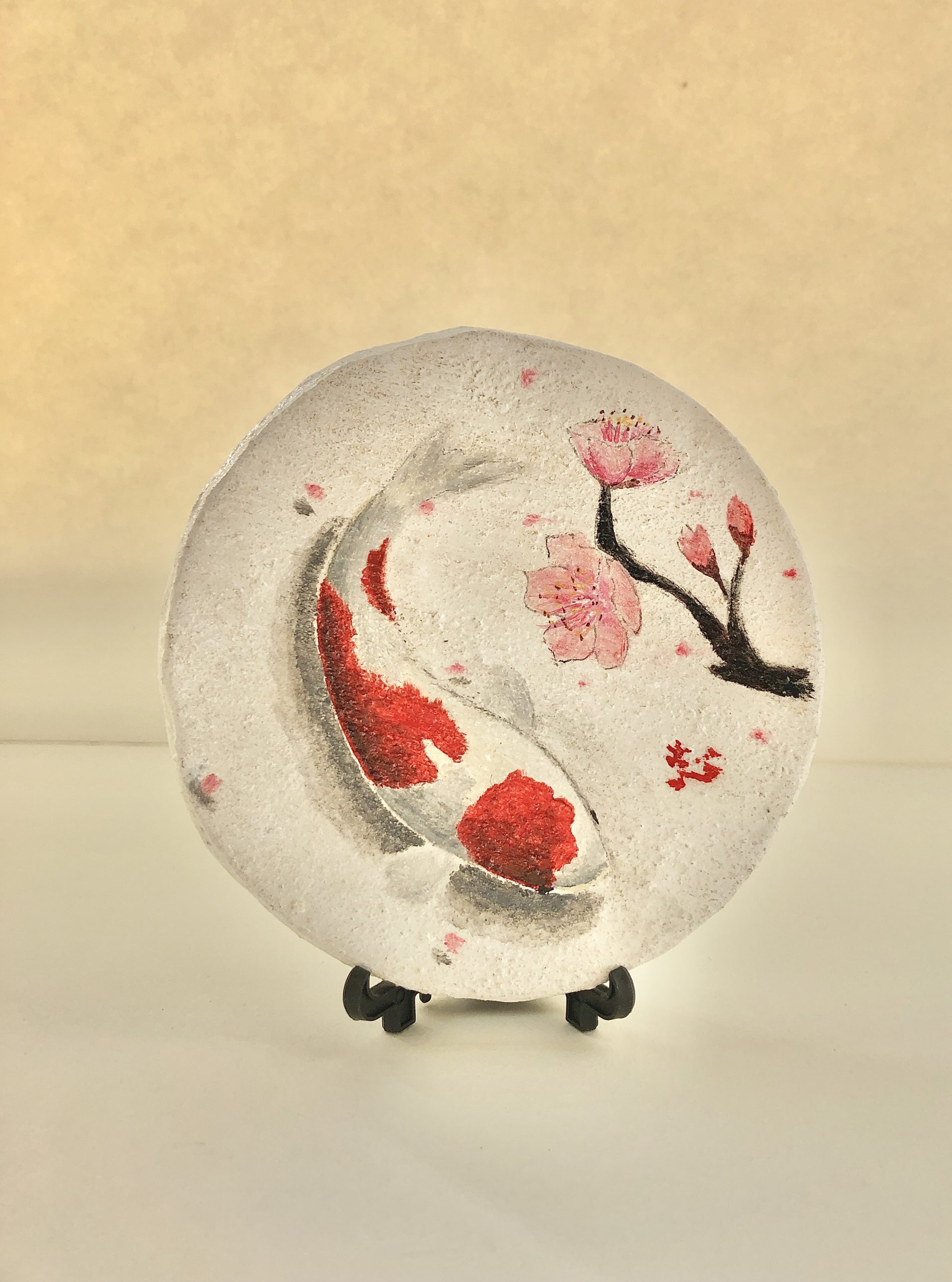
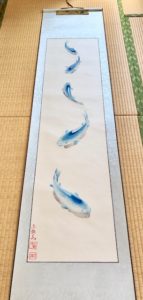
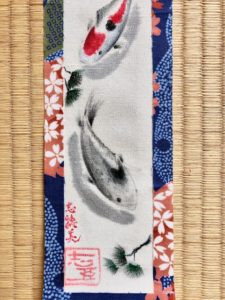
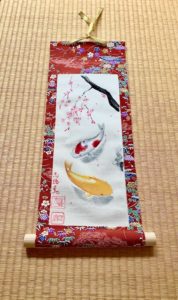
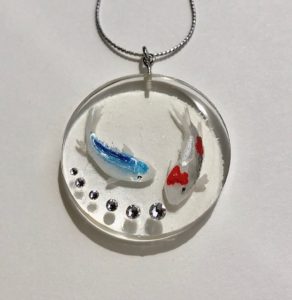
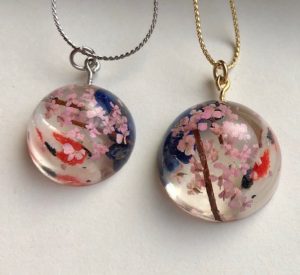
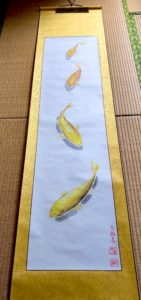
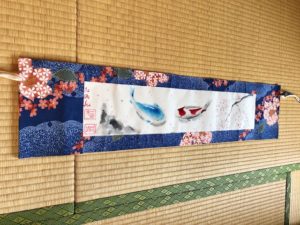
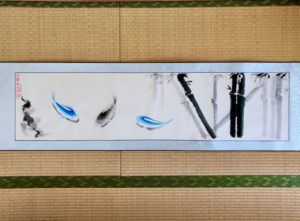
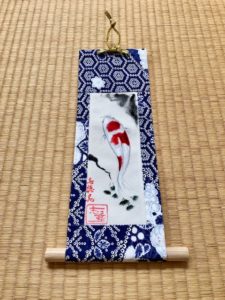
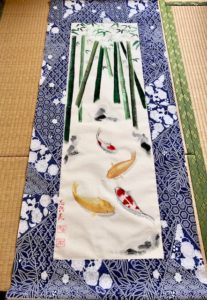
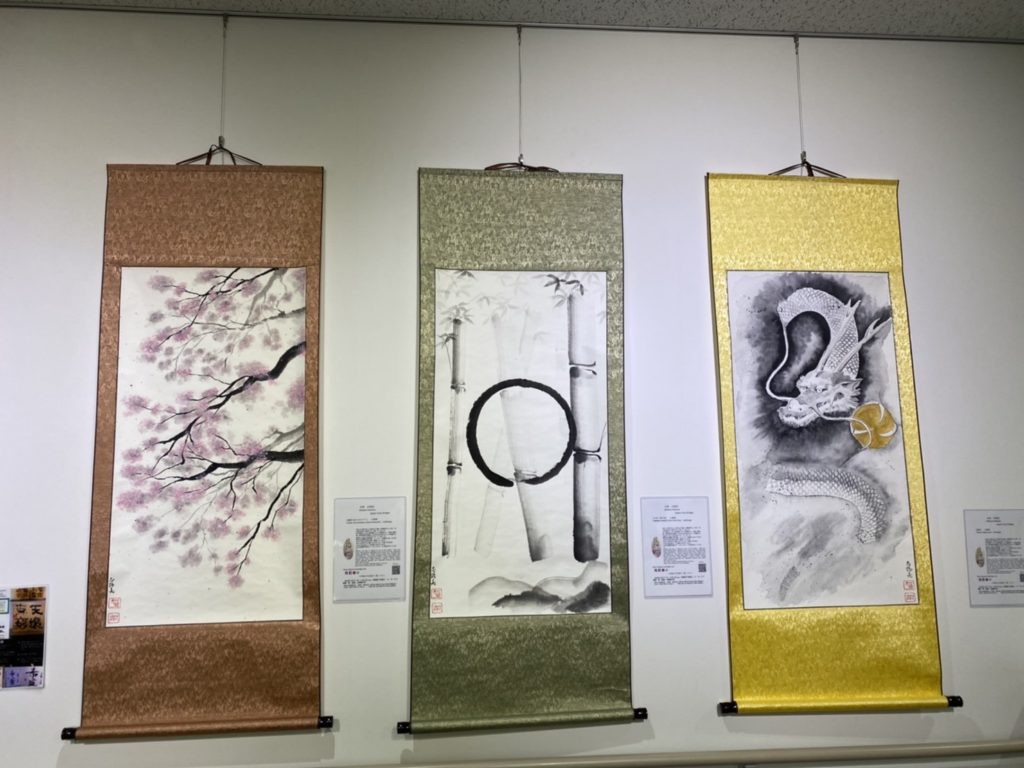
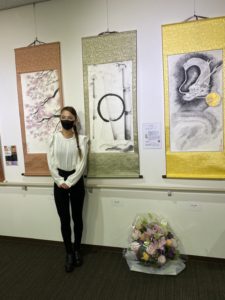
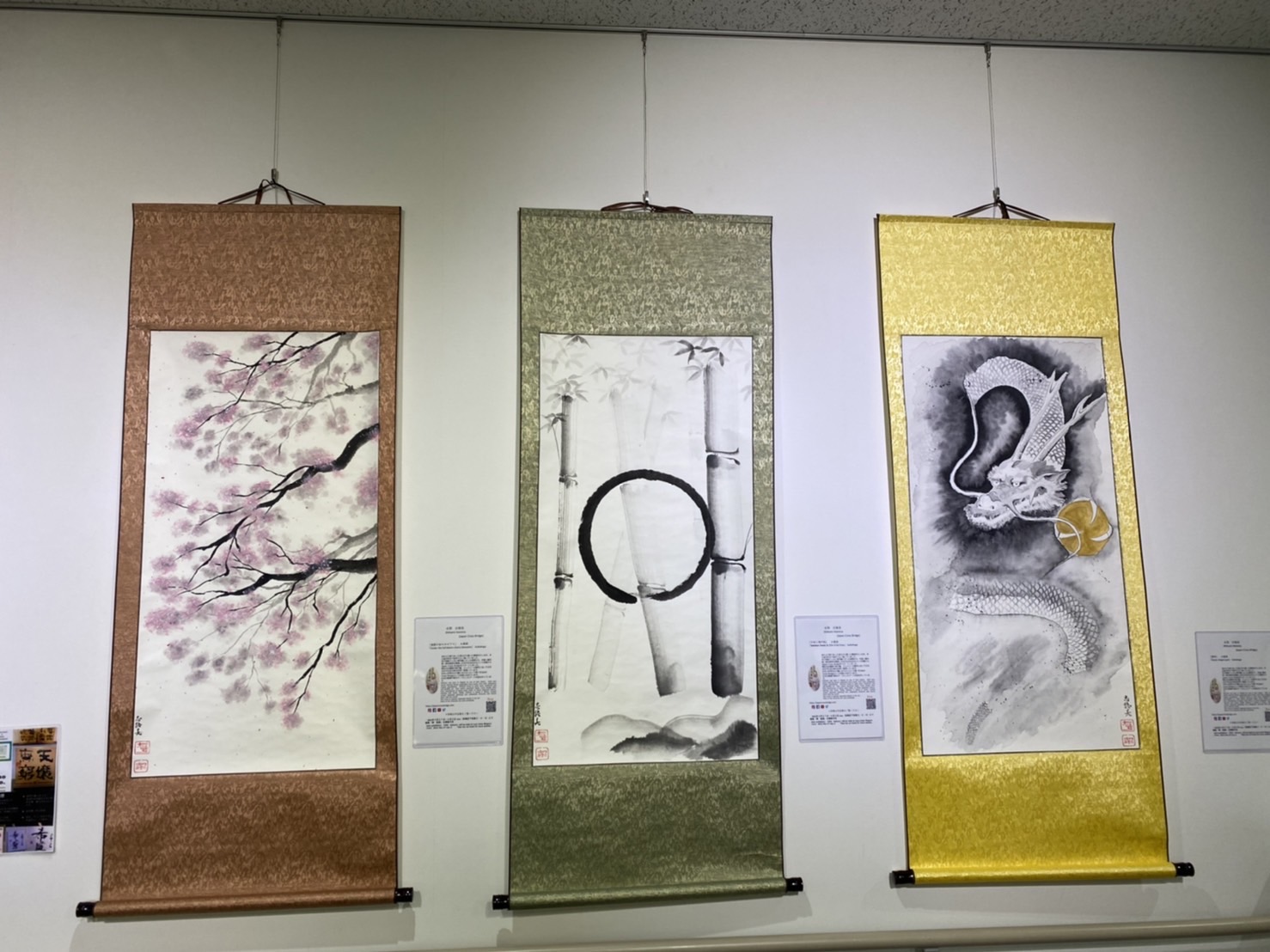
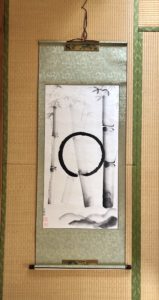
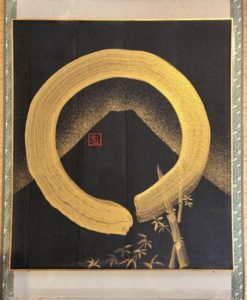
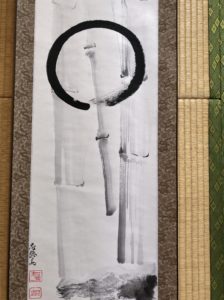
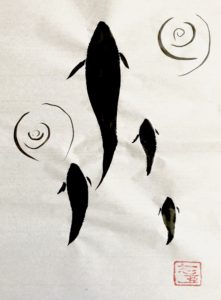
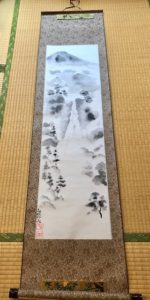
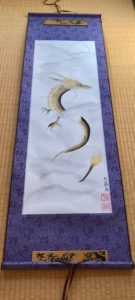
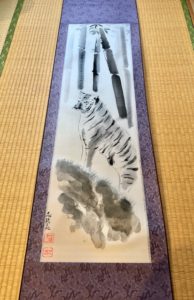
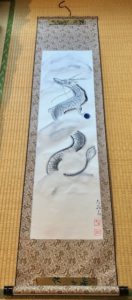
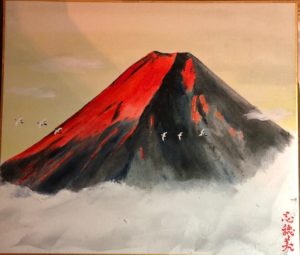
Our artwork will be 3 Kakejiku hanging scroll Suibokuga Japanese paintings, with my name Shihomi Homma (本間志穂美)(Japan Cross Bridge).
I myself will try to be at the venue. I hope to see you there!
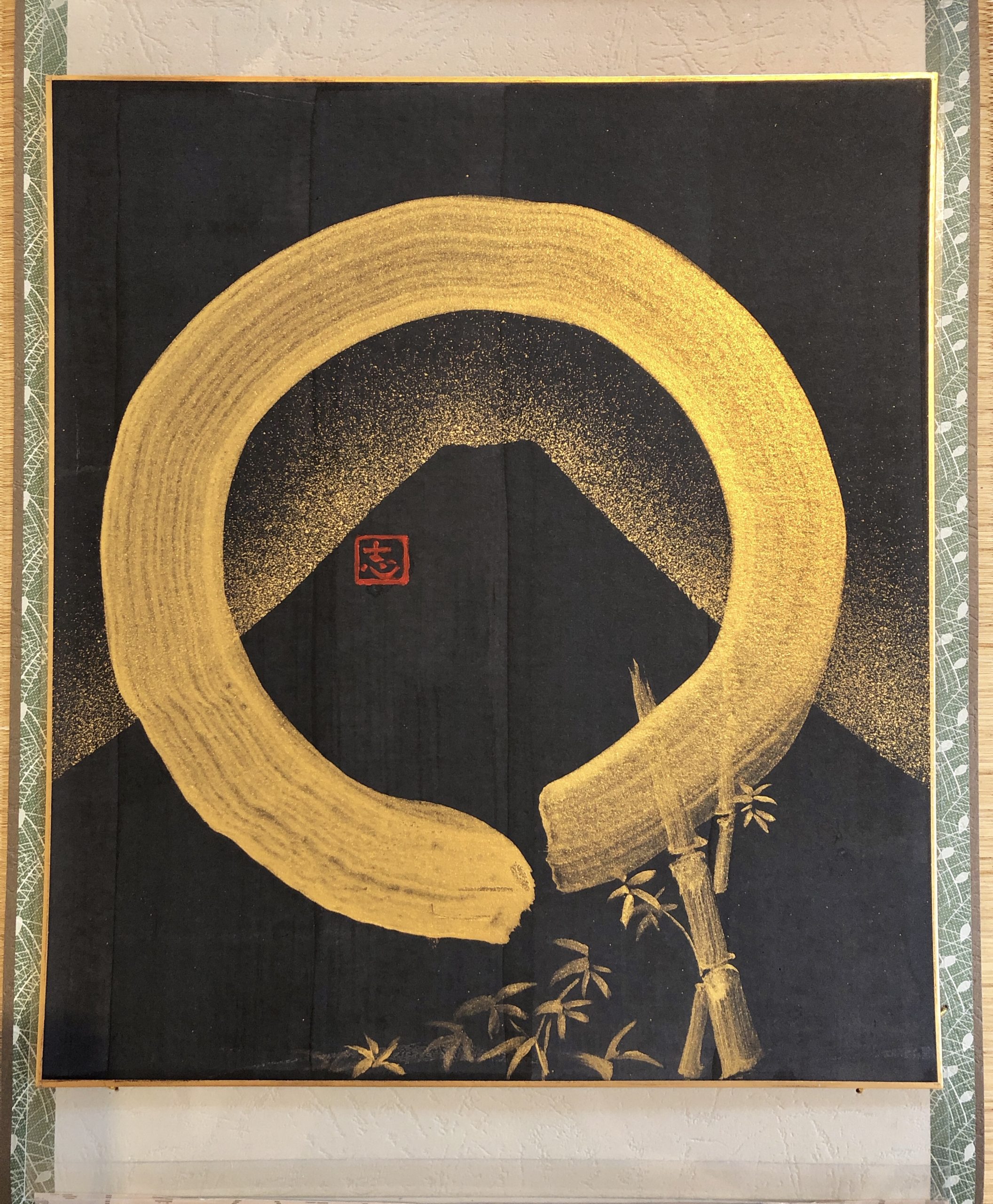
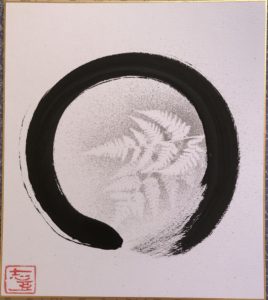
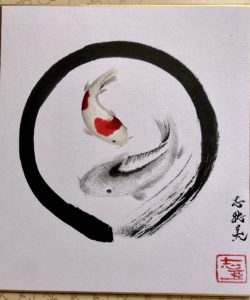
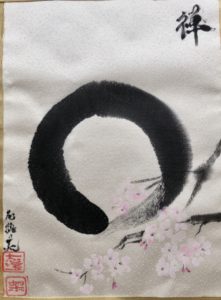
ZEN circle ENSO
Zen circle is called “Enso”.(円相)
Sometimes different “Kanji”(Chinese character) 円窓 is used for “Enso”, represents “round window”, which means our mind’s window.
Enso is one of Sumi ink painting (Japanese calligraphy) in Zen.
Usually it is drawn in one brushstroke, and is sometimes called “Ichienzu”(一円図)、”Ichienso”(一円相).
~Enso symbolizes absolute enlightenment, strength, elegance, the universe and “mu”(無)(meaning void). It is characterized by a minimalism born of Japanese aesthetics.~
*Quaoted from Wikipedia
Japanese aesthetics seeking for simplicity is called Wabi-sabi.
Wabi expresses the happiness and mental abundance in the imperfect (hard) circumstances.
Sabi expresses the beauty we can find in imperfection.
So Wabi can be a symbol of inner abundance, and Sabi can be a symbol of outer beauty(simplicity).
When you draw Enso, you have to draw it in one brushstroke, meaning there is no time to stop, no chance to fix.
It is the moment when the mind should be free, and let go of everything.
This is ZEN meditation practice.
In other words, this spiritual practice of drawing Enso is the practice of self-realization.
Sometimes Enso circle is open, which means incomplete.
This incomplete allows more movement, development and practice.
When Enso circle is closed, which represents perfection.
However, how you look at Enso circle and what you have in your mind by looking at it, is totally up to you.
Enso circle is simple, yet really profound and teaches us a lot.
It never stops attracting us, because our entire life is a long trip of self-realization.
I love to draw Enso circle, but at the same time, I love to look at Enso.
Looking at Enso circle is a good meditation.
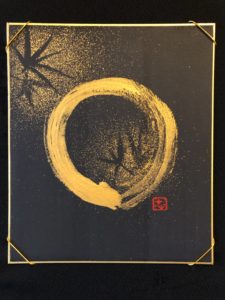
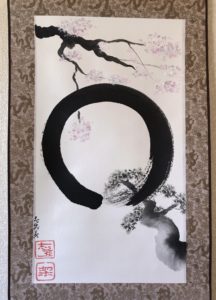
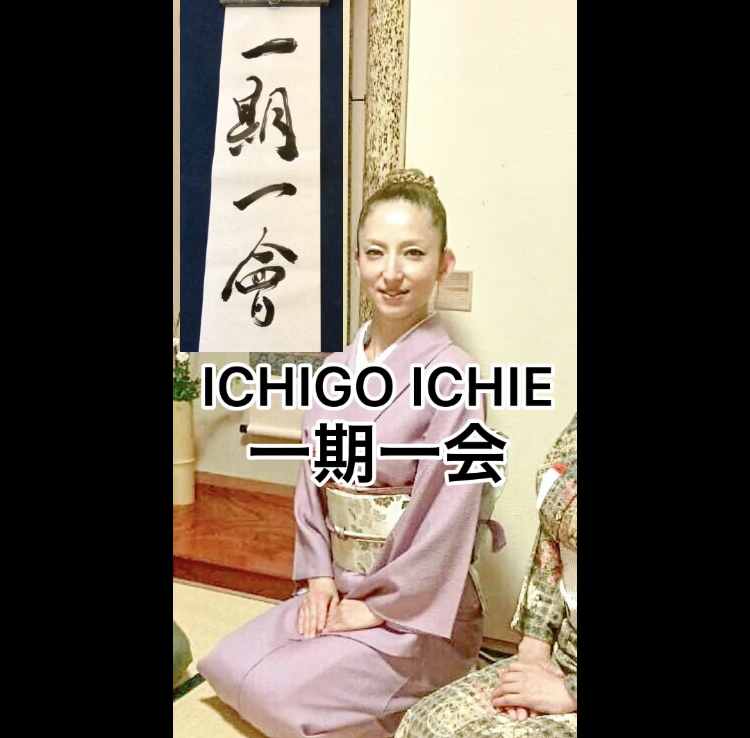
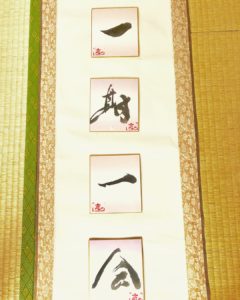
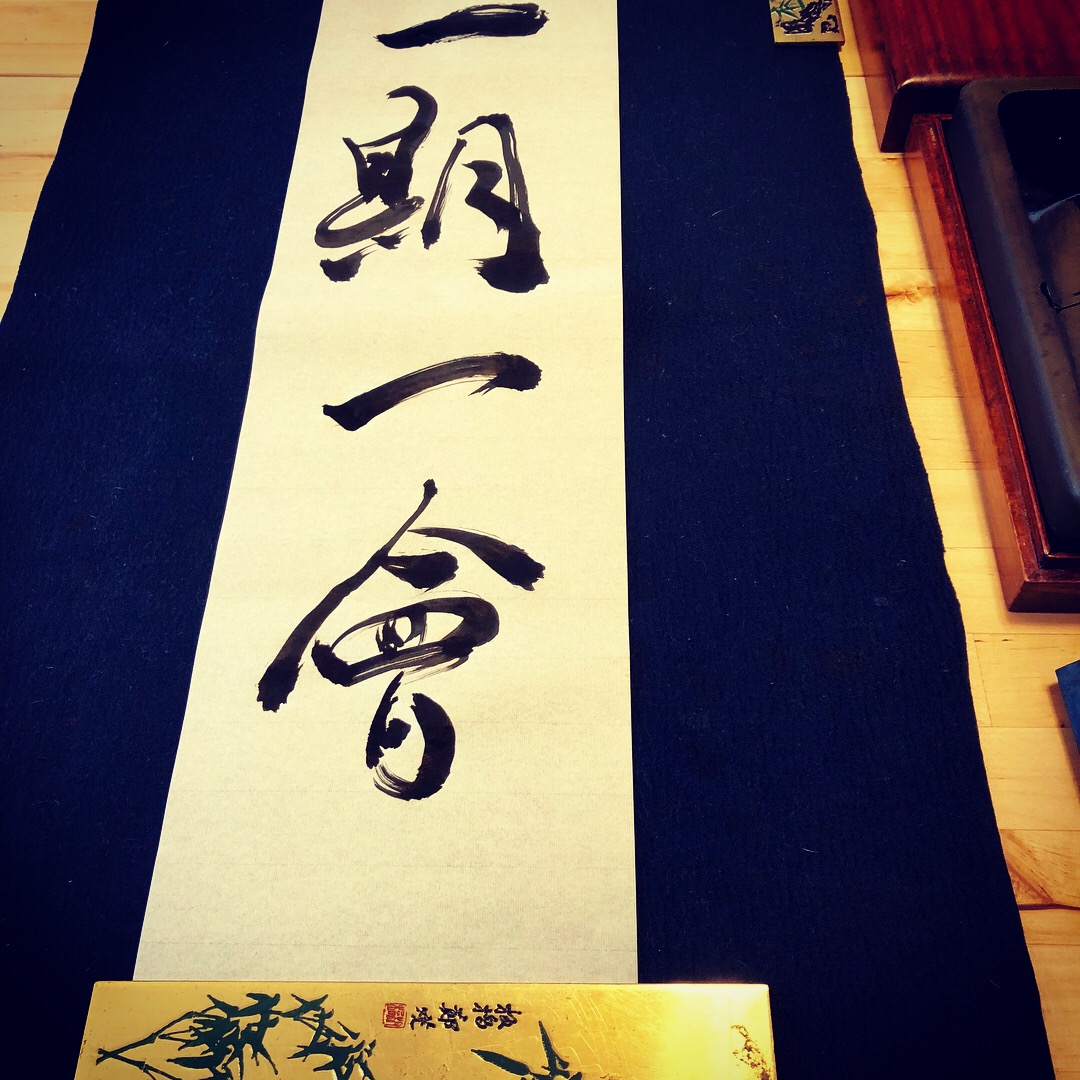
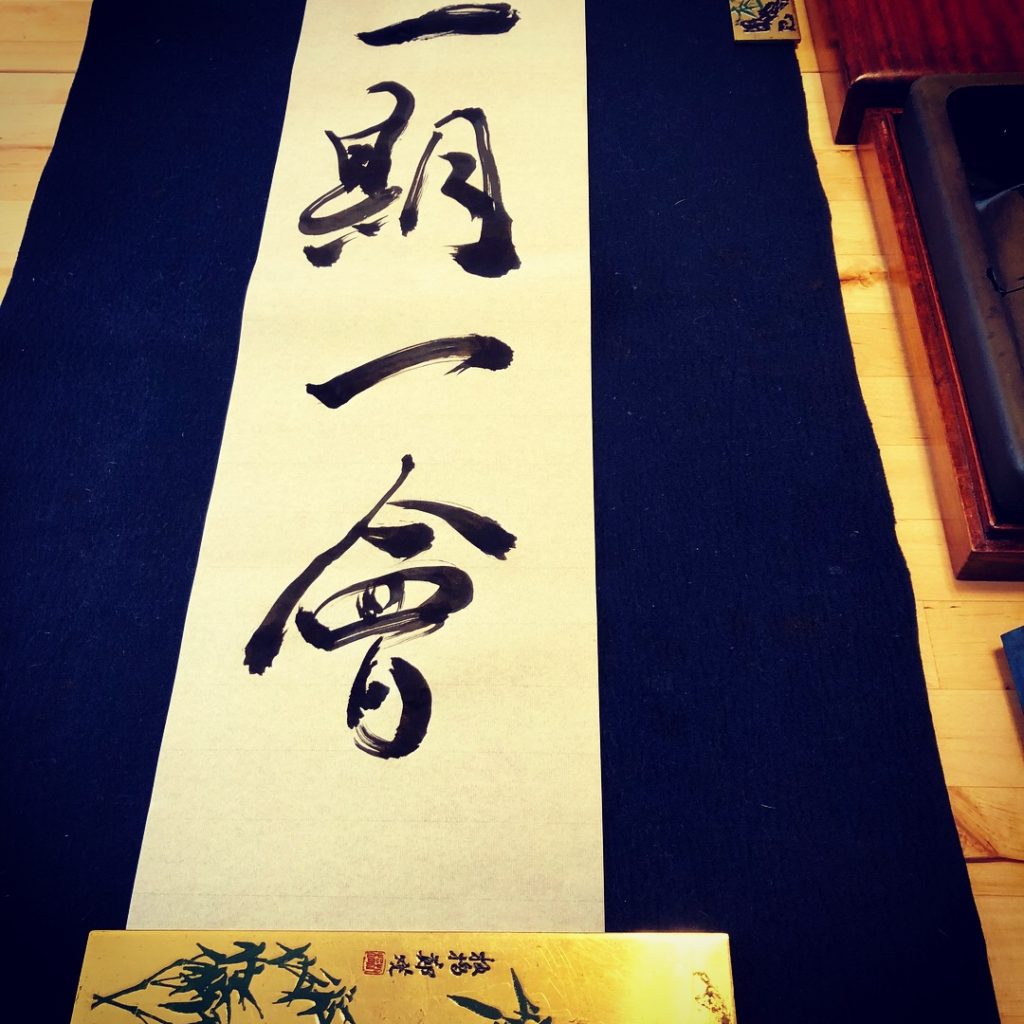
“ICHIGO ICHIE”(一期一会)
Have you ever heard phrase “ICHIGO ICHIE”(一期一会) in Japanese?
This is ZEN spirit.
It means, “once in a life time meeting”.
This spirit comes from the Japanese tea ceremony.
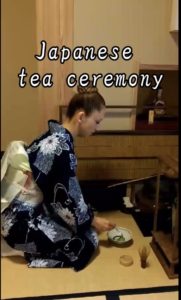
The Tea ceremony has a deep connection with ZEN spirits.
When I tried the Japanese tea ceremony for the first time, I was surprised that the tea ceremony has so many rules.
Before, I used to think the tea ceremony was just a simple act of making green tea.
But every single movement has to be done followed by rules, such as, which leg you use to step into the room with first, how you hold the tools, where you put your tools, in which angle you move your arms, and how you open the tea container, how you hold the whisk and how you stir, and so on…
It’s just about a process that takes only a few minutes, however there are hundreds of etiquettes.
I was overwhelmed when I took part in the ceremony.
Then I started to wonder, why there are so many rules…
The tea ceremony teacher told me this was because of “ICHIGO ICHIE”(一期一会) – “ZEN spirit.”
Tea ceremony is an occasion when you enjoy every single moment.
The people gathering, the weather, the place, the sound, every element gets together and makes it an unforgettable event.
There is the spirit of “OMOTENASHI”(おもてなし), meaning Japanese Hospitality in this ceremony.
To make the most of the moment with the greatest hospitality, the tea master tries to do her or his best of making green tea.
For example, purifying the tools followed by the rules, the tea master shows respect to the guests.
That is the reason why there are so many rules.
By following the rules, the best moment is made, and the guests and the master can experience a great “once in a life time moment”.
“ICHIGO ICHIE”(一期一会) teaches us that the exact each moment we meet with others in our life never comes back and only one time, so we should make the most of it and give our best hospitality with appreciation.
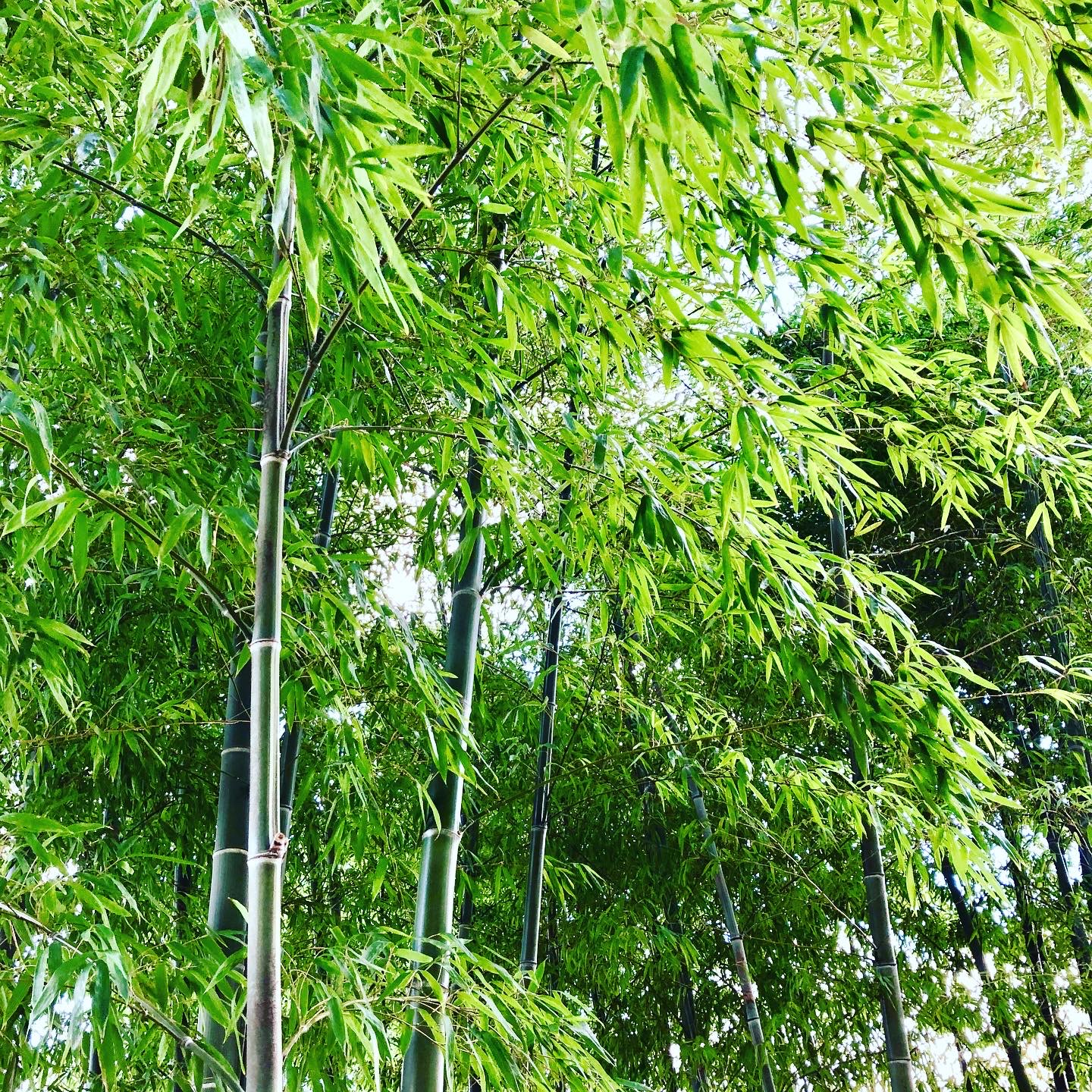
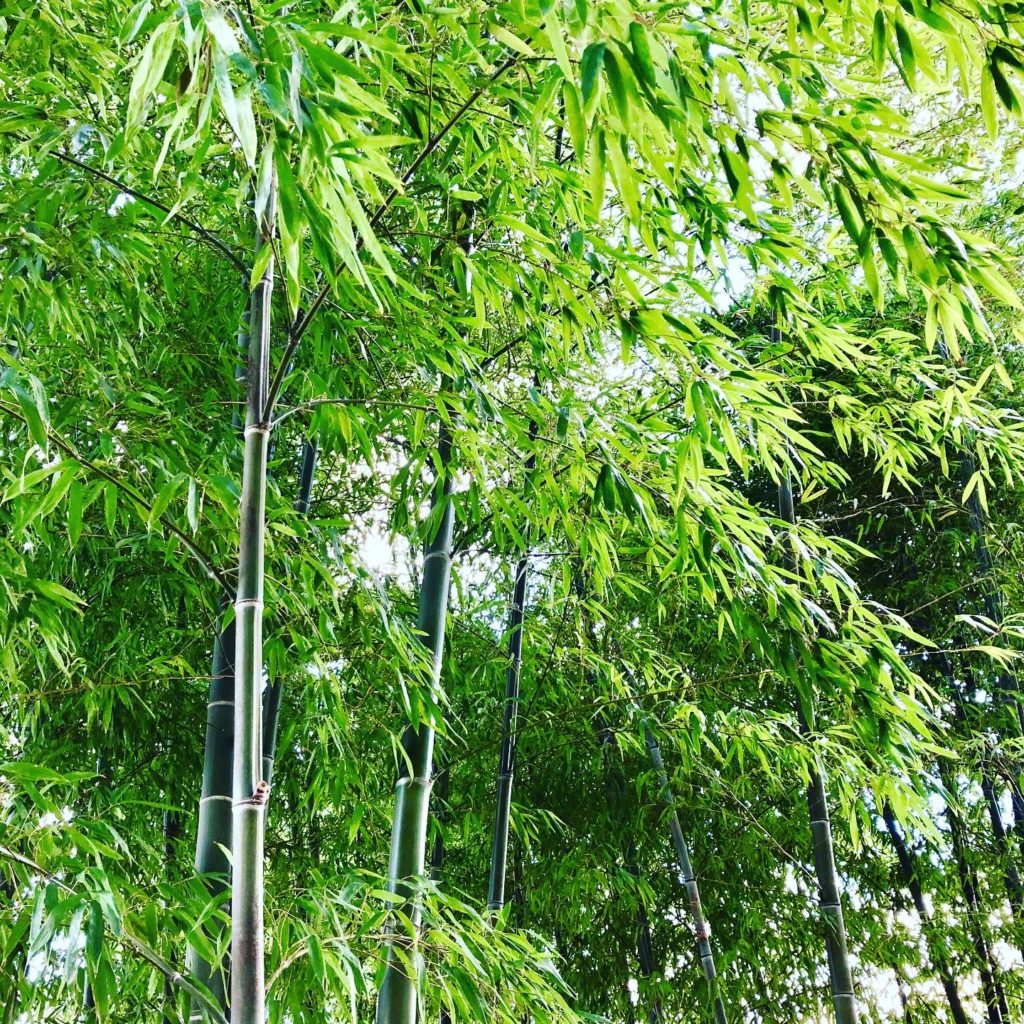
Finding small Kyoto in Tokyo – hidden Bamboo forest in Tokyo
Bamboo trees symbolize Japanese ZEN culture.
When you are in Bamboo forest, you feel very calm and helps you meditate.
Many bamboo forests are in Kyoto, or secluded area.
But you can find bamboo forests in central Tokyo too.
We would like to share some hidden bamboo forests in Tokyo.
If you are living in Tokyo, or if you visit Tokyo, you can experience small Kyoto in these small bamboo forest.
It is a good cycling day trip as well.
First bamboo forest is “Suzume-no-Yado Ryokuchi park” in Himonya, Meguro ward.
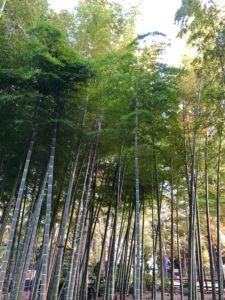
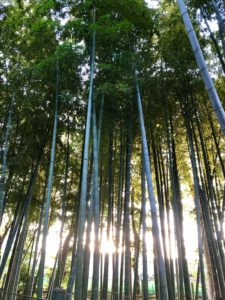
This park has many tall bamboo trees and traditional Japanese style house.
The traditional Japanese style house is open from 9:30 to 15:30.
But bamboo trees area is open for 24 hours.
Second bamboo forest is “Roka Koshun-en Gardens” in Setagaya ward.
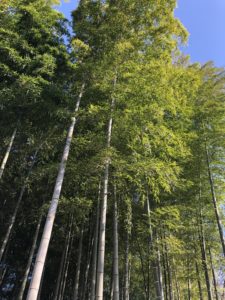
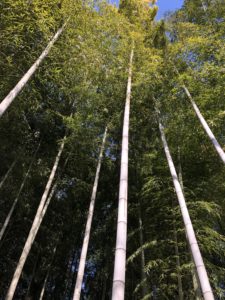
It is located near “Roka-Koen station” of Keio line.
It is about 40-50 minutes cycling from central Tokyo.
This park is free, but open hour is 9:00-16:30.
There are lots of tall bamboo trees, cherry trees and a memorial house of a famous Japanese writer, “Roka Tokutomi”.
You can go inside this memorial house, which has Japanese old style, and very interesting.
Third bamboo forest is “Senzoku Ike” in Ota ward.
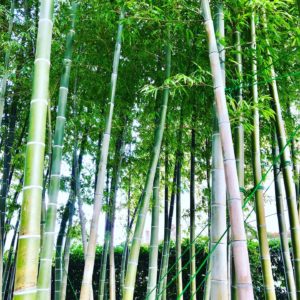
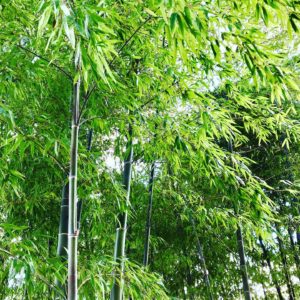
It is located beside “Senzokuike station” of Tokyu Ikegami line.
There is a big pond with Koi fish, cherry trees and a shrine.
Beside this park, there is a temple called “Myofuku ji”.
This temple has small but beautiful bamboo trees.
Lastly, we want to talk about “Todoroki Keikoku” in Setagaya ward.
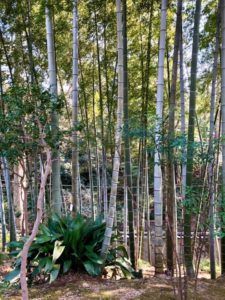
This “Todoroki Keikoku” park is about 30-40 minutes bicycle ride from central Tokyo.
Or you can go there by train using “Oimachi line” to “Todoroki station”.
In there, you can enjoy nature here, with walking beside the river.
“Keikoku” means valley, and this is a unique small valley that you can experience in Tokyo.
This place has a temple and a Japanese garden area.
In the Japanese garden, there are some bamboo trees, plum blossoms and cherry blossoms.
Those places are bamboo forest spots that we discovered in Tokyo.
We hope you will add these spots to your “Tokyo explore list”!
Photos below are our Bamboo items.
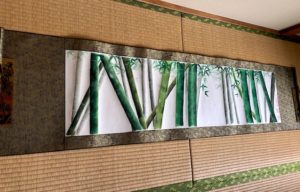
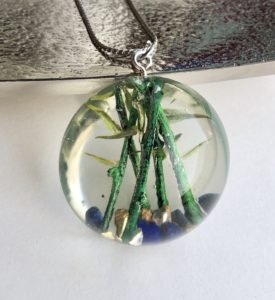
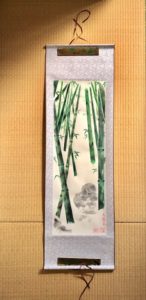
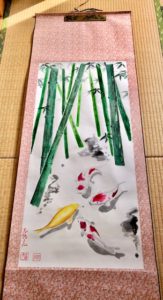
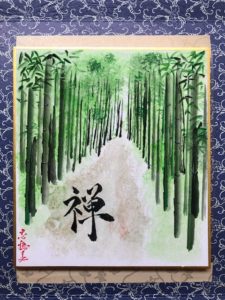
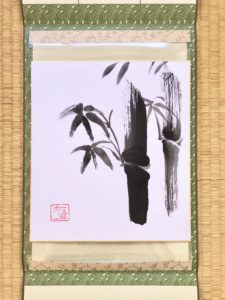
Please visit our Etsy shop for those items and more.
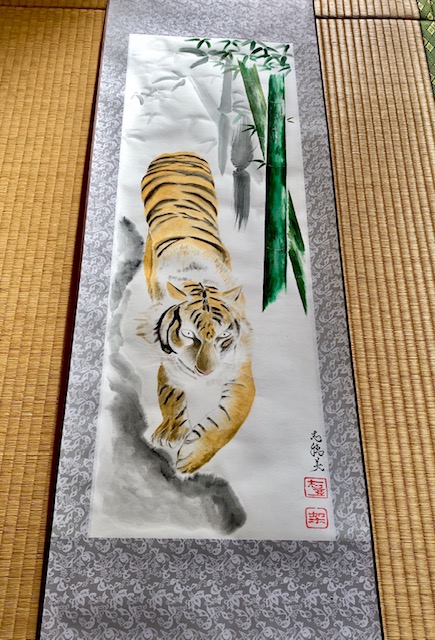
“Japanese Kakejiku (Kakemono)“ -good luck item
“Japanese Kakejiku (Kakemono)” is a hanging scroll used to display and exhibit paintings and calligraphy art.
Traditional Japanese rooms usually have a “Tokonoma”- a special space (alcove) to display “Kakejiku”.
Most traditional houses used to have at least one Kakejiku to hang in Tokonoma.
Kakejiku has been a well-known cultural item in Japan for long time.
There are a lot of themes for Kakejiku.
Especially paintings have good luck meanings are popular.
“Sunsui ga” – Nature/ Japanese scenery of mountains, river, water fall, trees, rocks
These nature items have important meanings based on ZEN, giving us a relaxing ideal ZEN world.
“Seasonal flowers/plants” – To enjoy four seasons even inside the house, we choose seasonal flowers/plants.
“Tiger” – Tiger is believed to protect against misfortune and brings a good luck. Tiger’s eyes with glares are toward evil.
“Dragon Ryujin” – Dragon is called “Ryujin” and is a god in Japan. It is a symbol of promotion, and Dragon Ryujin going up to the sky has the positive and good luck power.
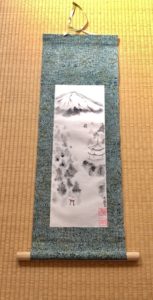
Mt. Fuji – the highest symbolic mountain in Japan, and being registered as a world heritage.
Mt. Fuji is well known as a sacred mountain. Especially red color Mt. Fuji in the red sunrise is believed to have the strong good luck power.
There are more themes for Kakejiku, and all have special meanings.
By hanging these good luck Kakejiku, the house and the people living there are protected against evil.
After receiving calligraphy tools from our grandparents, I started doing calligraphy again.
Soon after, I realized doing calligraphy is a good meditation.
Calligraphy is one of the main Japanese culture, and related to our history.
In our Japanese history, calligraphy is always in our life, same as ZEN (禅), Buddhism, temples, and tea ceremony.
Tranquility, simplicity, mindfulness, humbleness, are very important elements in these Japanese culture.
Also purifying tools and taking care of each item, how you treat these tools are also an inevitable part of its culture.
When we do calligraphy, we need to pay attention to our posture.
(We used to sit on our knees on tatami mat room with our back straight, but relaxing our shoulders)
It is important to hold the calligraphy brush with three fingers properly.
Relaxing our arm, making our wrist flexible, and focus on our breathing.
We need to write in one-stroke, and we are not allowed to go back and fix the line again.
So First stroke is the last stroke.
That is why how much we soak our brush into black ink, how fast we write, how strong we put our brush onto paper, are all very important.
For example, I am not satisfied with one line, as it was not black enough and the color was little too thin, so I might want to go back and color on top with more ink.
However, if I do that, it will appear as a mark even after it gets dry, and it doesn’t look nice.
That means, we have to picture and simulate the writing in our mind, before we actually write on the white paper.
And once I start writing, there is no stopping, no going back, nor fixing.
First trial is the real performance.
This is “一期一会”(Ichigo-Ichie) “Once-in-a-lifetime-meeting”.
This one moment never repeat, everything we experience in every second, every minute is only one time.
So we have to treasure this one moment.
However if I think too much, probably I hold my brush too tight, that doesn’t give me a good result either.
So when we do calligraphy, we need to breathe deeply, empty our mind, listen to the sound of outside wind or birds(not car noise), relax our mind, and start writing.
This is the same procedure as meditation.
Of course, opening our eyes and keep writing our calligraphy is not exactly the same as meditation.
But while doing calligraphy, I find myself very calm.
Japanese culture is very sensitive.
We want to keep this sensitivity and beauty in our everyday life.