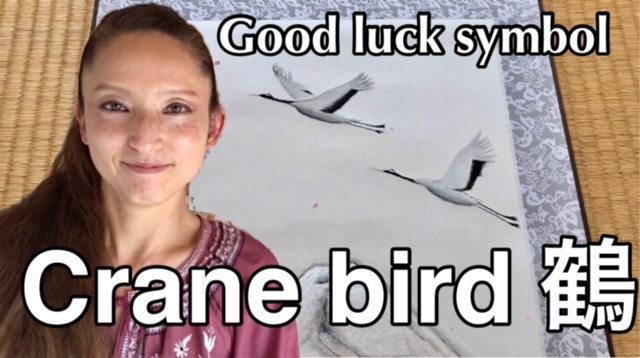
We, Japanese have a deep connection with crane birds since ancient times.
The beautiful crane birds can be seen in many occasions, such as Japanese old stories, music, paintings, and so on.
Crane birds are not just beautiful but also thankful, as they are symbols of long life, prosperity and a good luck.
In Japanese phrases, we have “crane birds live a thousand years, turtles live a ten thousand years”
Also crane bird’s voice is said to reach to the heaven, as they cry loudly.
When crane birds make a couple, they stay forever and never separate.
So we symbolize crane bird couple as “good married couple”.
Especially at weddings, we use crane birds in many situations, for special wedding kimono pattern, for wedding venue decorations, or on celebratory statement.
As crane birds are grateful good luck symbols, we believe that owning something with crane bird motif will bring us a good luck and a healthy long life.
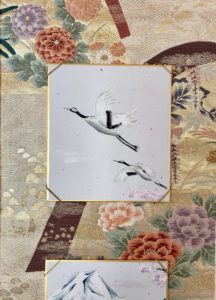
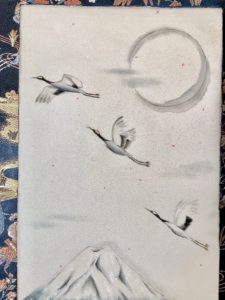
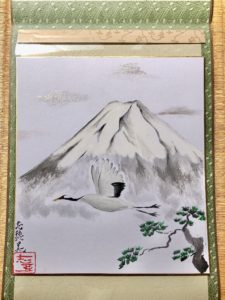
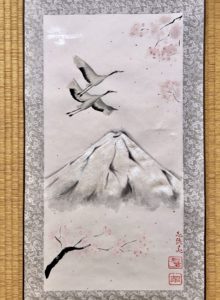
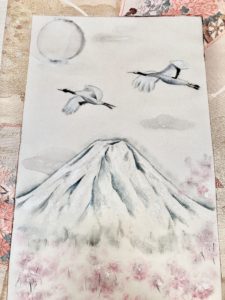
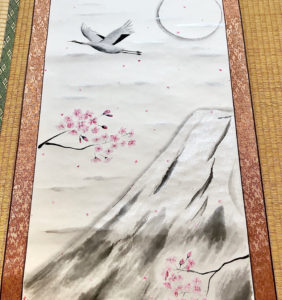
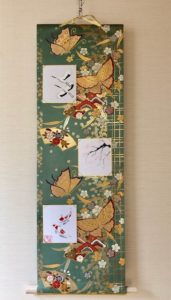
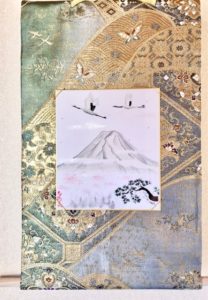
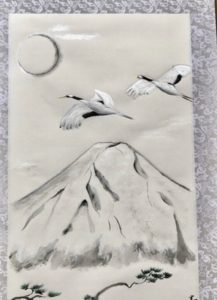
I love to paint these beautiful birds, crane birds on my hanging scrolls too.
crane birds Japanese painting artCrane birds Japanese painting Kakejiku artCrane bird Japanese painting artCrane birds Japanese painting Kakejiku artCrane birds Japanese painting Kakejiku artExtra large Japanese painting art Kakejiku crane birdFukuro obi Kakejiku style Japanese painting art Crane bird, Sakura, Koi fish
Origami is Japanese traditional paper art and kids activities.
It is said to be brought to Japan by Buddhist monks around the sixth century, however there is no evidence about this and the origin of Origami is unknown.
The oldest mention of Origami is the poem written by Ihara Saikaku in 1680.
Now “ORIGAMI” is well known in the world.
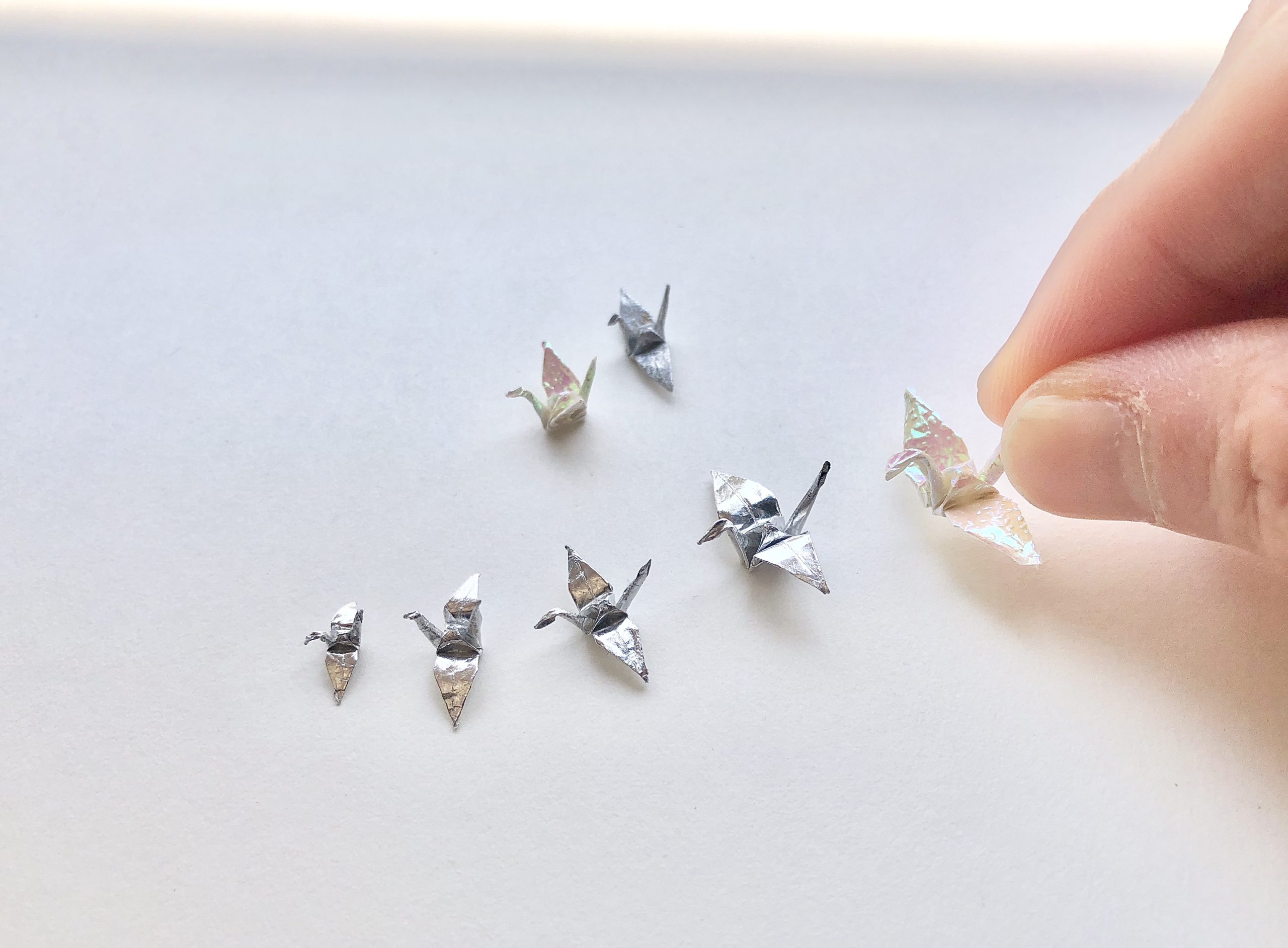
Orizuru – crane bird made with Origami paper-, is one of the famous Origami art.
In Japan, we use Orizuru in many occasions, such as prayer for health or peace, as crane birds are symbols of a long healthy life and a good fortune.
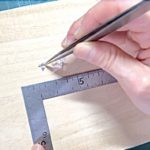
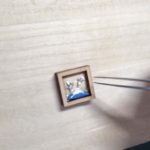
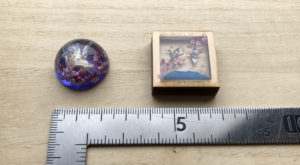
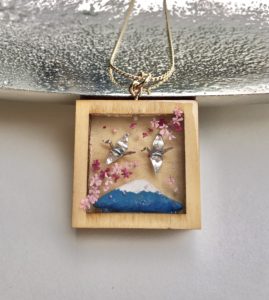
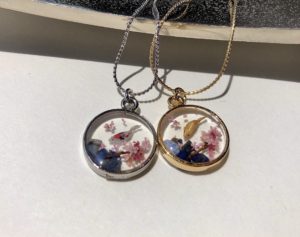
By making miniature Orizuru and putting it in jewelry, the jewelry becomes good luck charm.
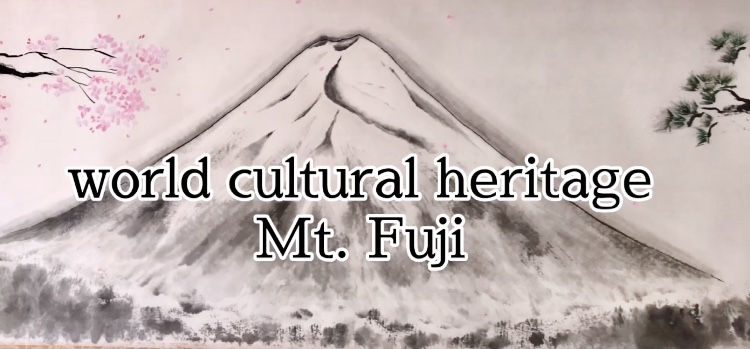
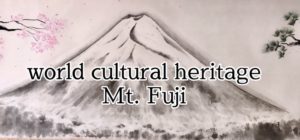
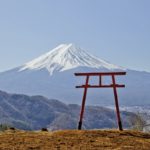
Mt. Fuji is the highest mountain in Japan, the altitude of 3,776m.
It is well known not just in Japan but in the world as the world heritage site.
The reason Mt. Fuji was selected as a World Heritage Site, is not only for its value as a famous mountain of nature and beauty, but also for the faith held by the Japanese in the existence of Mt. Fuji and its value as a source of art born through Mt. Fuji.
Since ancient times, Japanese people felt divinity in Mt. Fuji and admired it as the symbol of spirituality.
They looked up Mt. Fuji and prayed.
How did Mt. Fuji become a mountain of prayer?
Mt. Fuji is the symbol of “mountain worship”.
“Sangaku-shinko ” 山岳信仰” is a faith worshipping mountains as being sacred.
So what is “Sangaku- shinko” -mountain worship?
Japan is an island country, of around 75% of the land being occupied with mountains and forests.
This fact already made people have strong connections with mountains.
In the old days, the souls of the dead who left their bodies were thought to climb mountains.
When Buddhism was transmitted, people started to believe the souls of the dead climbed the mountain and they would become Buddhas at the summit. As a result, the mountain has come to be regarded as the most sacred place where God and Buddha live together.
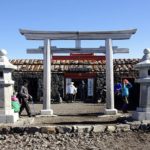
There are many shrines in and around mountains, and of course Mt. Fuji also has shrines called “asama shrine”浅間神社“ on its summit and around it as well.
asama shrineasama shrine
That is because Mt.Fuji is God himself.
On the other hand, Mt. Fuji is a beautiful active volcano.
There has not been a major eruption in the last 300 years since the last eruption of 1707, but it has a history of being feared not only as beautiful but also as a scary mountain.
Asama Shrine, which is scattered throughout the Mt. Fuji area, also has a deep desire to calm the terrible disaster.
In Western Europe, nature, including mountains, should be conquered by the power of God. There is a big difference from Japan, which feels the sign of God and Buddha from rich nature and thinks that the mountain is a god.
That is the reason that Mt. Fuji is very special mountain for Japanese people.
And as a source of art, famous painters and artists left behind their works that were in some way in connection with Mt. Fuji, especially since Edo period.
From folding screen paintings, fusuma paintings, hanging scrolls, the pilgrimage mandala, which is the object of faith, and as well as the decoration of crafts such as costume patterns, daily fixtures, and furnishings, countless figures of Mt. Fuji were drawn.
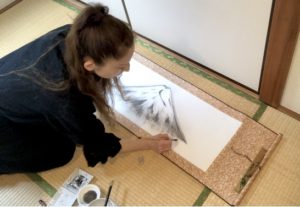
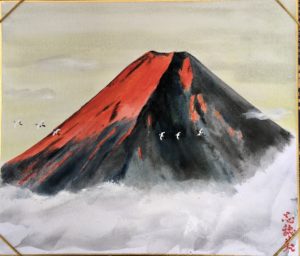
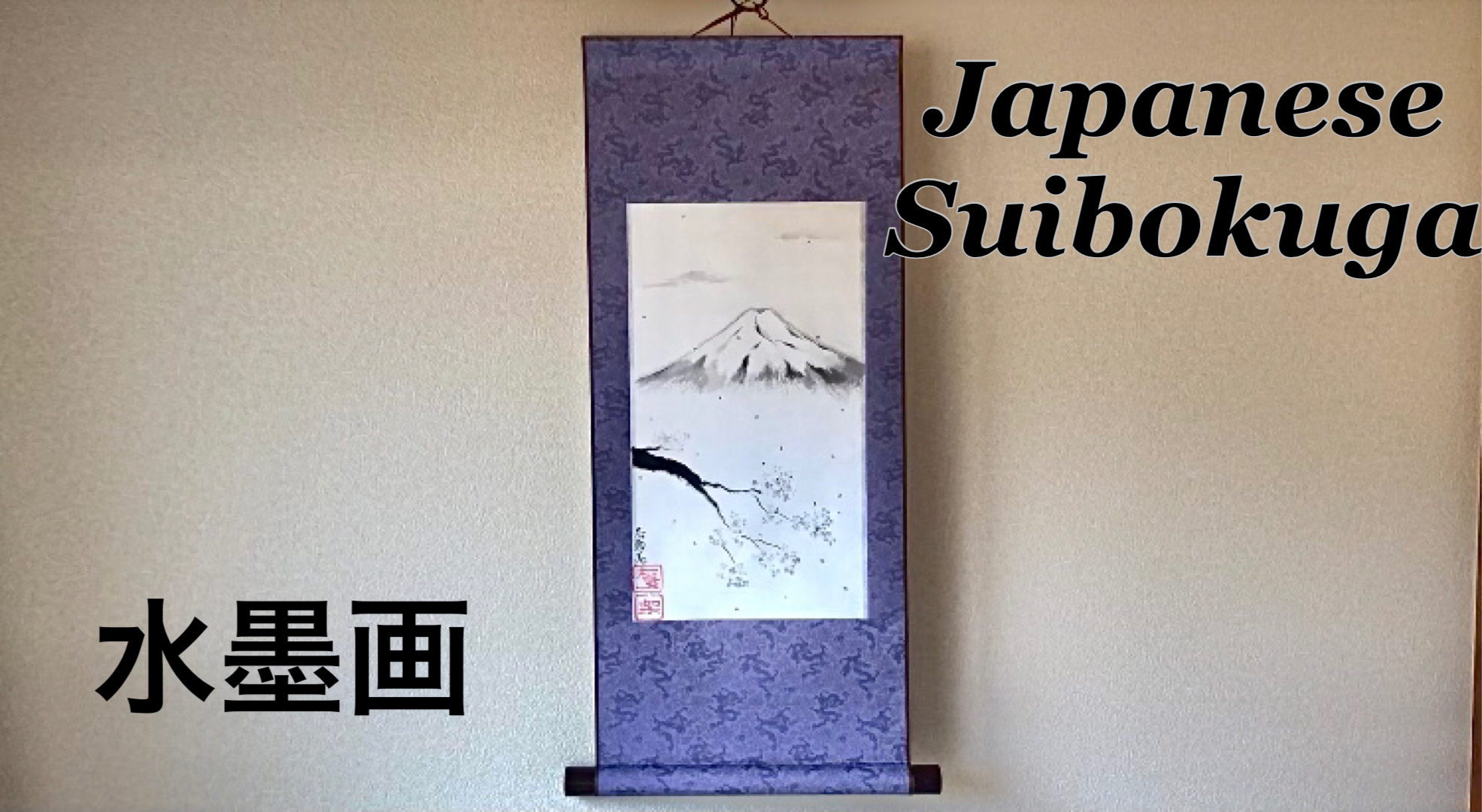
I myself, love to draw beautiful Mt. Fuji.
Mt. Fuji has the power to captivate a person from a first look.
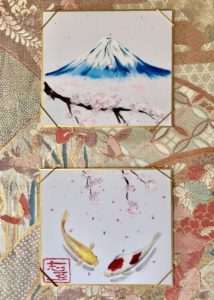
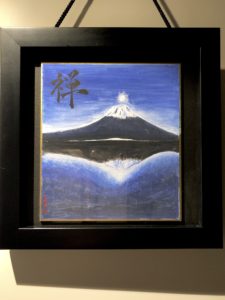
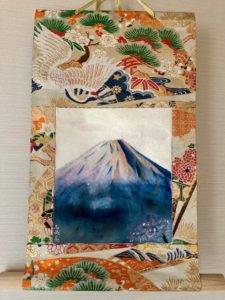
drawing Mt. Fuji in SuibokugaMt.Fuji in the sunrise paintingMt. Fuji with sakura and Koi fish painting hanging scrollJapanese painting ZEN禅 with Mt. FujiGorgeous kimono silk obi belt Japanese painting hanging scroll Mt. Fuji Kakejiku art
I always love to express Japanese beauty and symbols in art, such as paintings and jewelry.
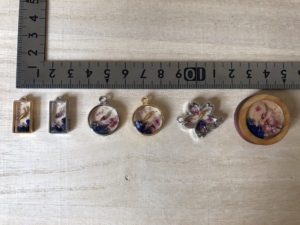
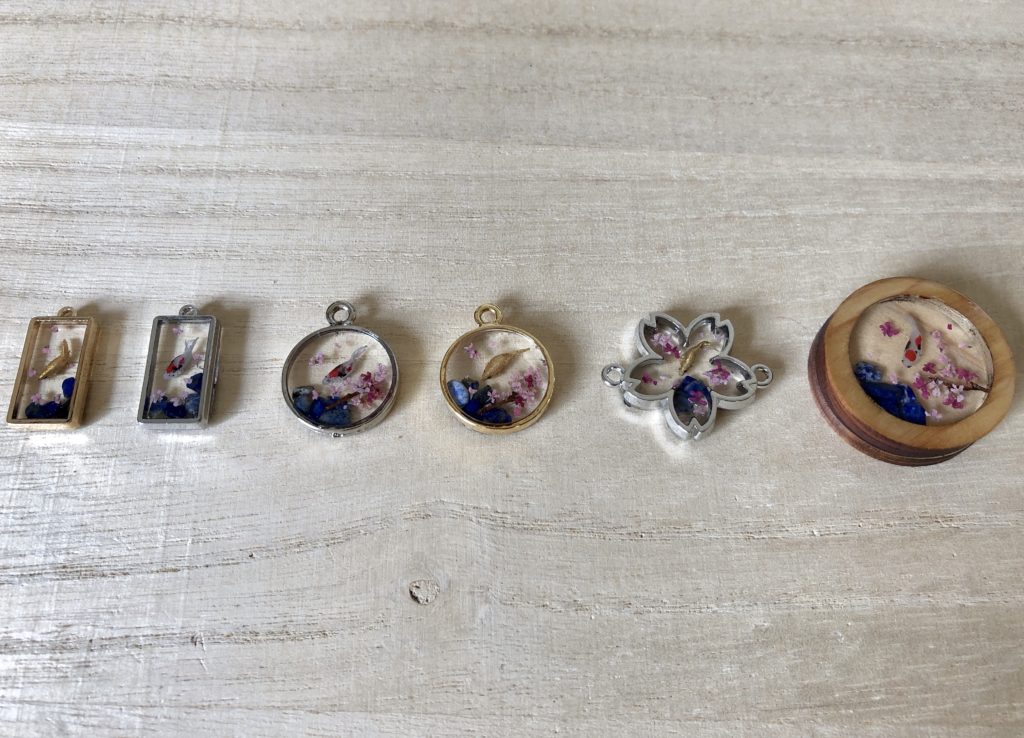
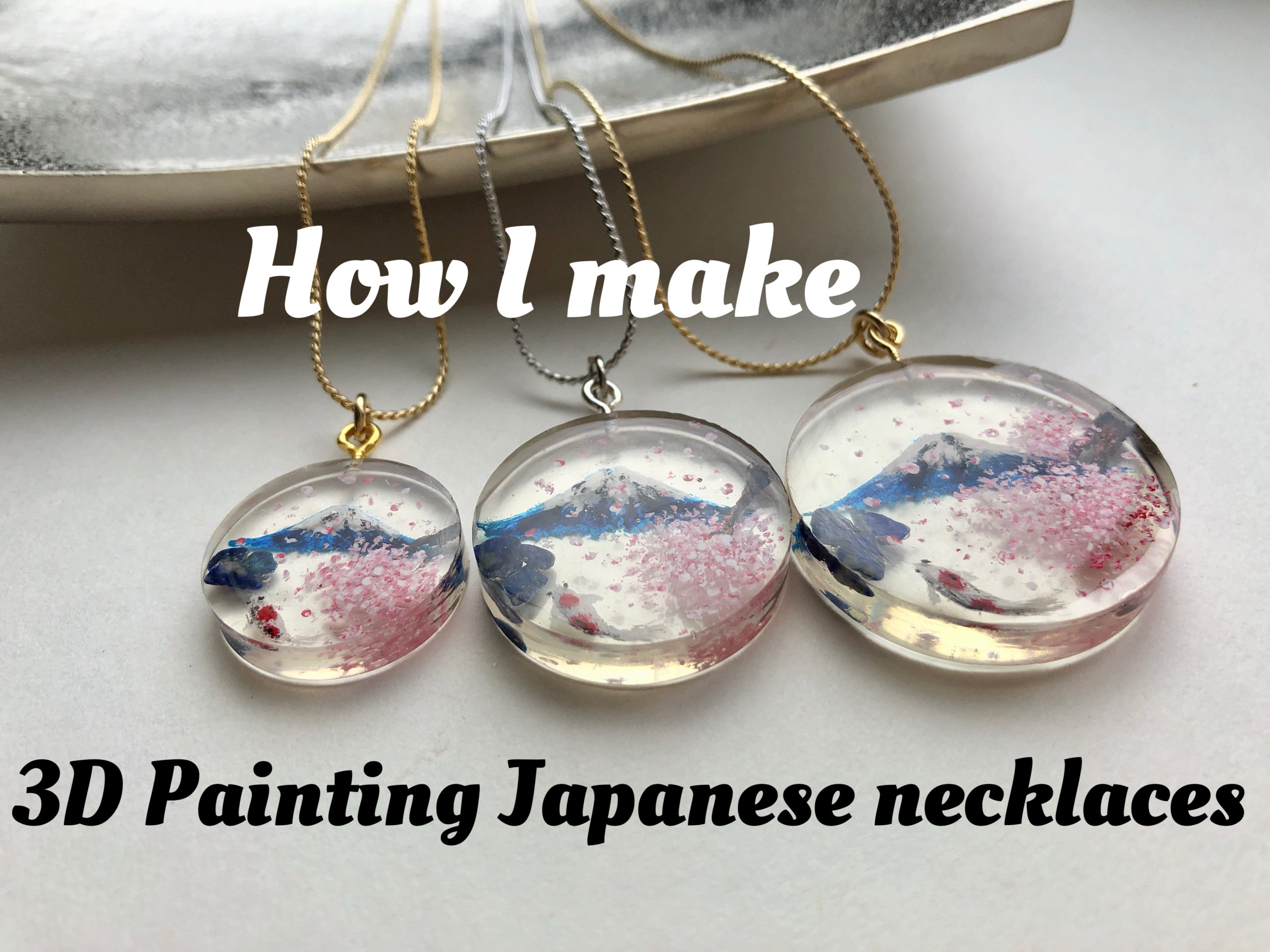
Making Japanese scenery in 3D paintings in accessories is one of my favorite ways of expressing them.
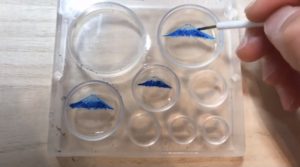
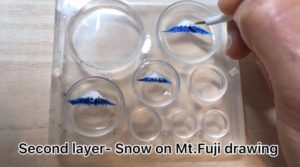
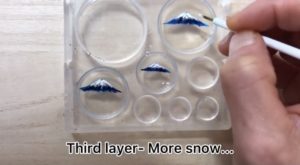
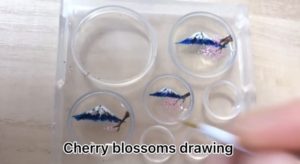
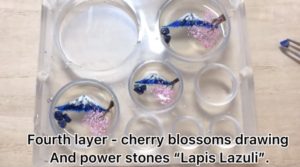
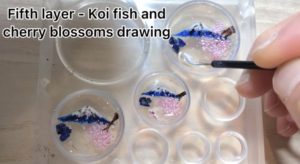
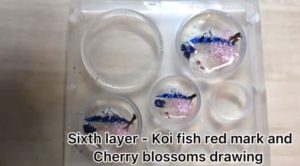
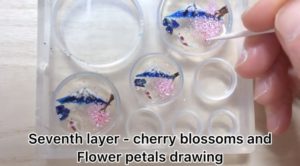
Using resin allows me to make 3D world, by applying paintings in different layers.
It takes time and energy, but the slow procedure of making 3D painting jewelry excites me all the time.
And when it’s done, my affection to these jewelries becomes the special one.
Drawing good luck Japanese symbols, such as Mt. Fuji, Sakura cherry blossoms and Koi fish, and adding power stones, I can make these jewelry into special good luck items.
Suibokuga (水墨画)- Japanese traditional painting art
Suibokuga is sometimes called Zen Painting.
Sumie is painting with ink.
And Suibokuga is one of Sumie painting, with the gradation of dark black to light black.
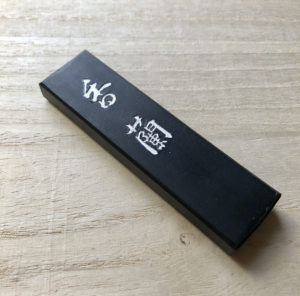
Main tool for Suibokuga, “Sumi ink” is made from mainly soot, animal glue, and perfume.
sumi ink 墨
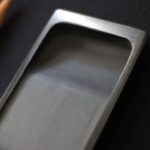
We add a little water into an inkstone (suzuri) and rub sumi ink, it becomes dark black color.
Ink stone SUZURI 硯rub ink with ink stone
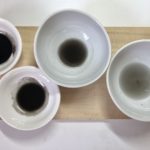
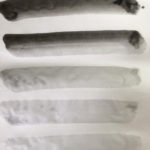
By mixing this black ink with water, we can create the gradation color of black to light grey.
mixing ink with water to make gradation colorgradation black color
In Japan, Suibokuga is not just about paintings drawn with only ink, but we include some colored paintings drawn with mainly ink and some pigments also.
Sumie: The way of painting with ink was already in Japan since Nara period (710 – 794).
And Suibokuga style was brought in Japan at around Kamakura period (1185 – 1333), then became very popular especially at around Muromachi period (1336 – 1573), as Suibokuga style paintings were deeply connected with ZEN temples.
Until 14C, the subjects of Suibokuga were humans called “Jinbutsu ga” (人物画) , and flowers and birds called “Kacho ga” (花鳥画).
In 15C, “Sansuiga”(山水画) , meaning “mountains and water paintings” became popular.
Subjects of this Sansuiga is nature, such as mountains and water falls, rocks, trees etc.
I love to paint Japanese nature and symbols in Suibokuga.
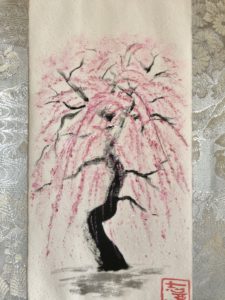
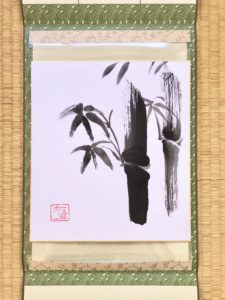
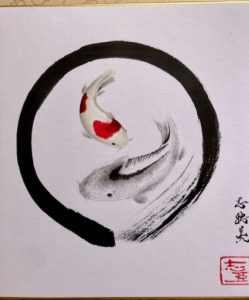
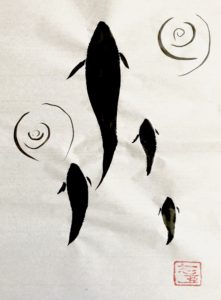
Sakura cherry trees, bamboo tees, pine trees, Mt. Fuji, crane birds, and koi fish.
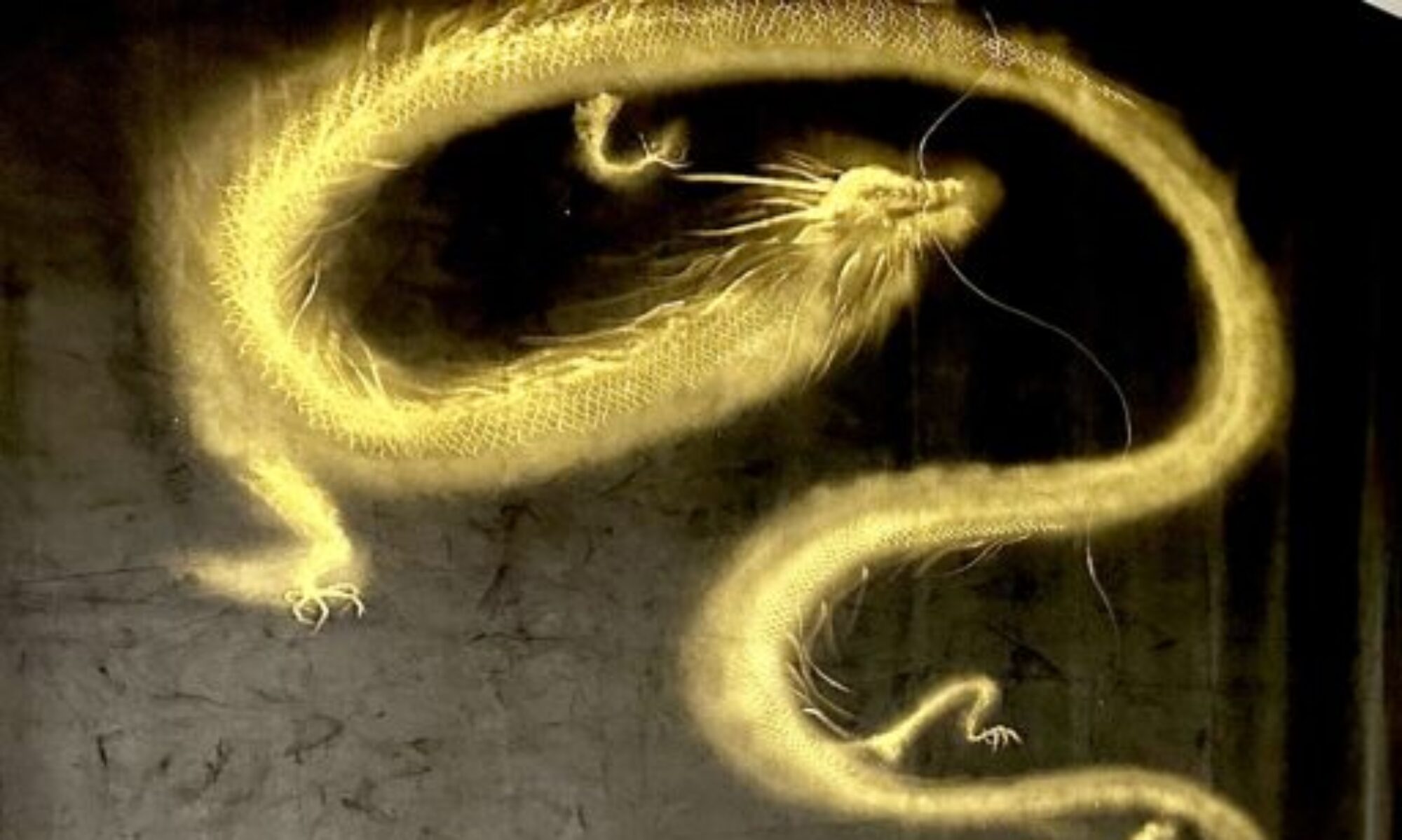
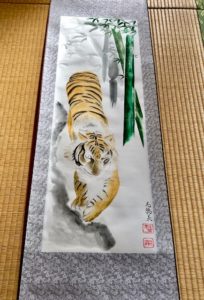
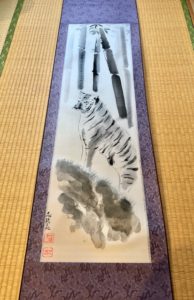
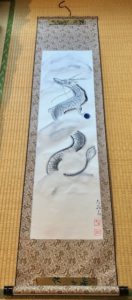
Sometimes tigers and Ryujin dragon god as well.
Tigers and Ryujin dragon god are also very popular subjects for Suibokuga.
I love to express Japanese beauty with the amazing gradation of ink with some colors.
That is my Suibokuga.
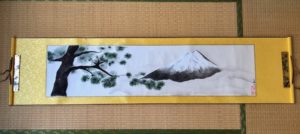
Sakura cherry blossoms painting art Kimono silk kakejikuJapanese calligraphy art bamboo hanging scrollExtra-large Mt.Fuji and Japanese Pine tree hanging scroll, Impressive landscape ZEN style wall decorGorgeous Kimono silk obi Japanese painting Mt. Fuji, crane birds, pine tree wall decorJapanese painting of Koi fish in ZEN circle, EnsoJapanese painting calligraphy art hanging scroll Kakejiku wall decor crane birds, Mt.Fuji, Japanese pine treeJapanese painting Tiger and bamboo ink art kakejikuUnique tiger & bamboo Japanese painting Kakejiku hanging scrollExtra long Drago Ryujin calligraphy art kakejiku hanging scroll
Emakimono style landscape Japanese scenery painting art scroll
Japanese EMAKIMONO style hanging scroll
First of all, what is EMAKIMONO??
Emakimono – “E” means “pictures”, “makimono” means “scroll” in Japanese.
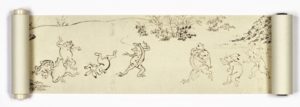
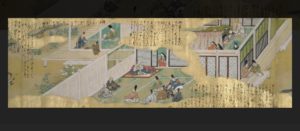
Emakimono is a Japanese traditional horizontal scroll which tells stories with pictures.
Japanese traditional Emakimono 絵巻物Old Emakimono
From right side, we unroll the scroll to the left, and illustrations tell you Japanese narrative.
So Emakimono usually is a few meters long, sometimes even 20 meters long!
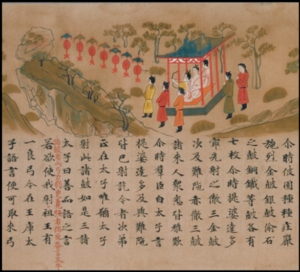
The oldest Emakimono that still exists is believed to made in Nara period, AD 710 to 794.
one of the oldest EMAKIMONO
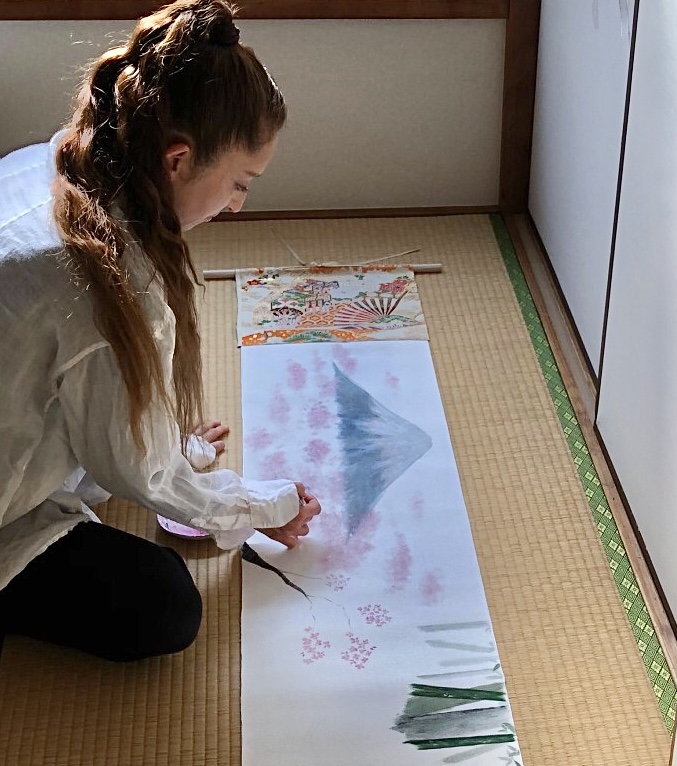
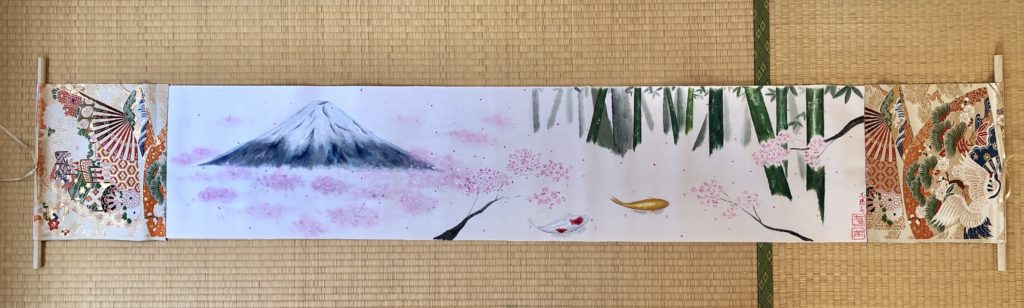
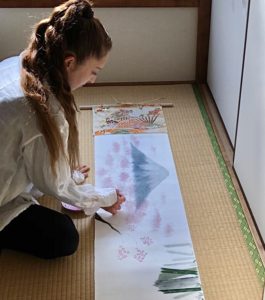
I made Emakimono style scroll with Japanese scenery painting.
Making Emakimono style Japanese scenery painting art scroll
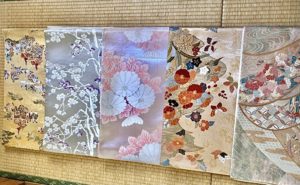
To make this unique scroll, I used Precious Kimono silk obi belt for both ends.
It is woven with silk and making gorgeous patterns.
precious Kimono silk obi belt
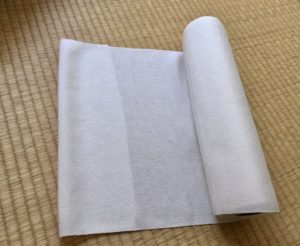
In the center painting area, I used white silk kimono fabric.
white silk kimono fabric
This white silk fabric is thin and soft, so I attached Special Japanese paper called “urauchi youshi”, on the back to make it stronger and harder.
This special paper has glue on one side and by ironing, I can attach this paper to the silk fabric.
I made this scroll with 2 meters long, so this can be hung on the wall in the rooms easily.
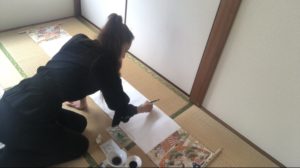
This Emakimono style horizontal scroll allows me to draw Japanese landscape scenery.
Painting landscape Japanese scenery
I really love to draw Japanese symbols, especially Mt. Fuji, Sakura cherry blossoms, Bamboo, and Koi fish.
Those symbols express Japanese beauty, and every time I draw them, I find myself being in love with them more and more.
In the past, I painted these symbols a lot on Usual Kakejiku hanging scrolls (Vertical scroll), but especially this horizontal scroll has enough space for me to draw all in here.
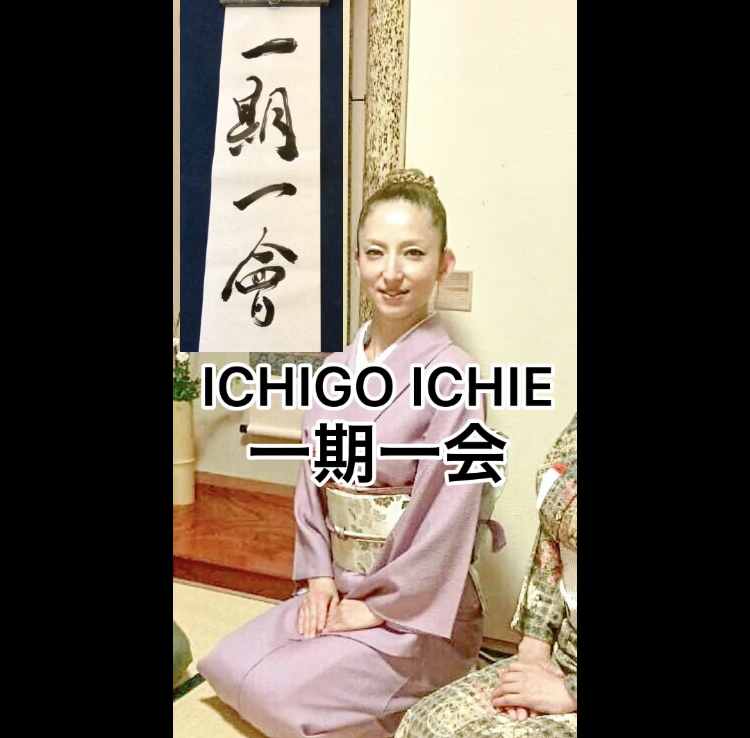
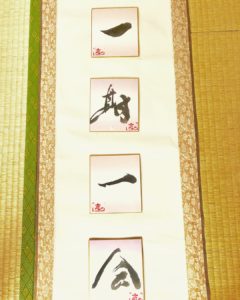
Have you ever heard phrase “ICHIGO ICHIE”(一期一会) in Japanese?
This is ZEN spirit.
ZEN 禅
It means, “once in a life time meeting”.
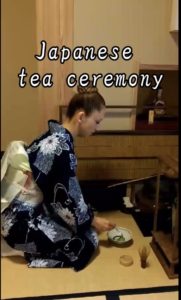
This spirit comes from the Japanese tea ceremony.
Japanese tea ceremony
The Tea ceremony has a deep connection with ZEN spirits.
When I tried the Japanese tea ceremony for the first time, I was surprised that the tea ceremony has so many rules.
Before, I used to think the tea ceremony was just a simple act of making green tea.
But every single movement has to be done followed by rules, such as, which leg you use to step into the room with first, how you hold the tools, where you put your tools, in which angle you move your arms, and how you open the tea container, how you hold the whisk and how you stir, and so on…
It’s just about a process that takes only a few minutes, however there are hundreds of etiquettes.
I was overwhelmed when I took part in the ceremony.
Then I started to wonder, why there are so many rules…
The tea ceremony teacher told me this was because of “ICHIGO ICHIE”(一期一会) – “ZEN spirit.”
Tea ceremony is an occasion when you enjoy every single moment.
The people gathering, the weather, the place, the sound, every element gets together and makes it an unforgettable event.
There is the spirit of “OMOTENASHI”(おもてなし), meaning Japanese Hospitality in this ceremony.
To make the most of the moment with the greatest hospitality, the tea master tries to do her or his best of making green tea.
For example, purifying the tools followed by the rules, the tea master shows respect to the guests.
That is the reason why there are so many rules.
By following the rules, the best moment is made, and the guests and the master can experience a great “once in a life time moment”.
“ICHIGO ICHIE”(一期一会) teaches us that the exact each moment we meet with others in our life never comes back and only one time, so we should make the most of it and give our best hospitality with appreciation.