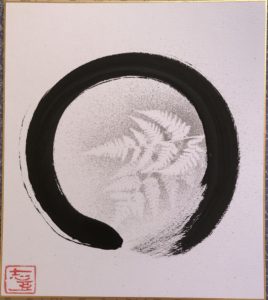
ZEN circle -Enso-

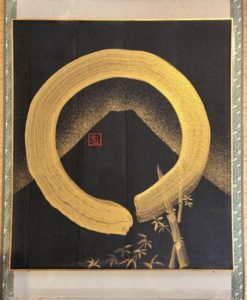
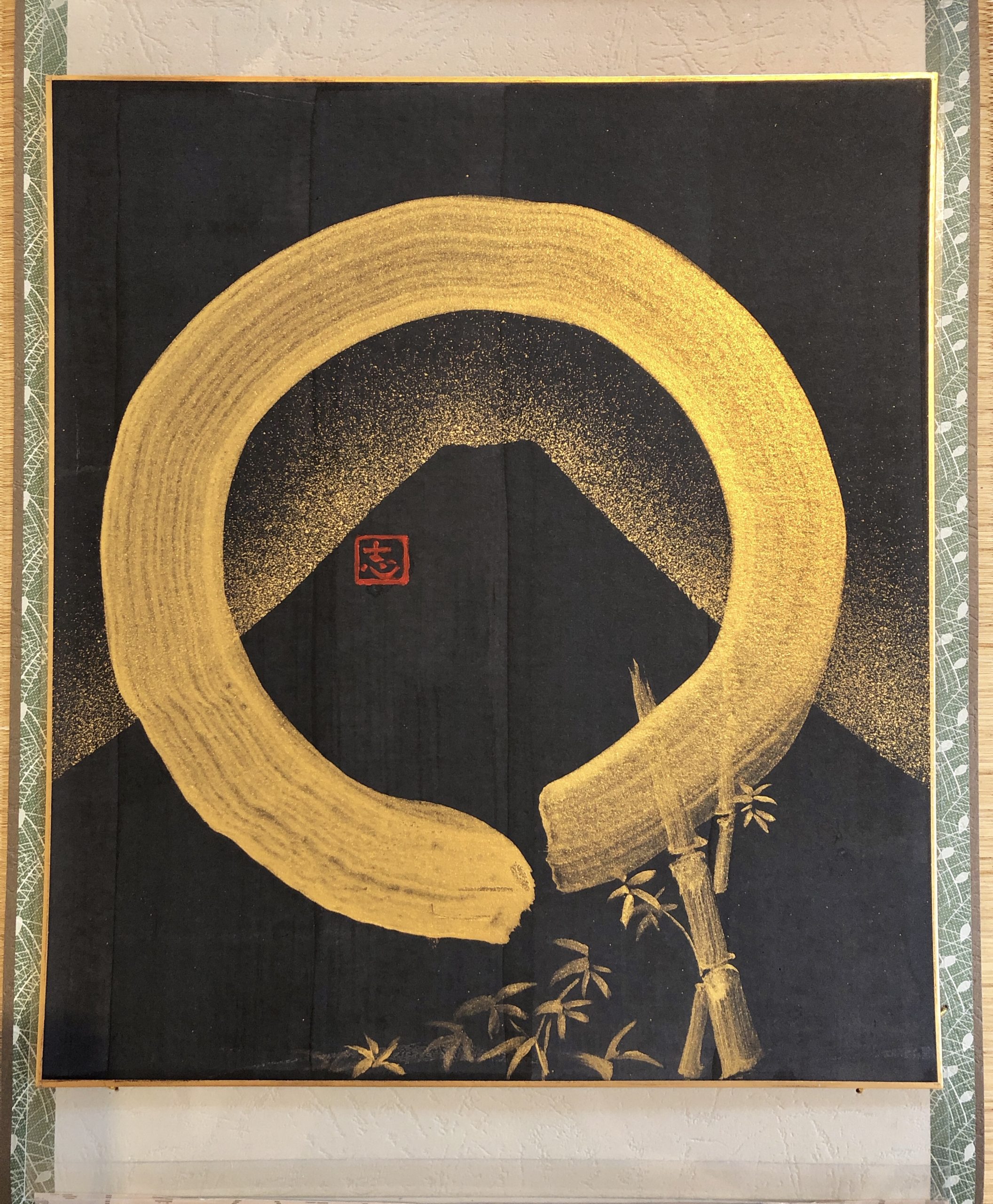
Golden Enso and Mt. Fuji Japanese painting Kakejiku
zen circle Enso Japanese painting kakejiku

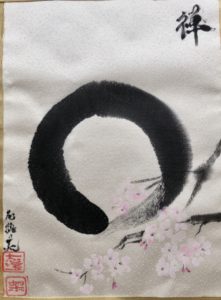
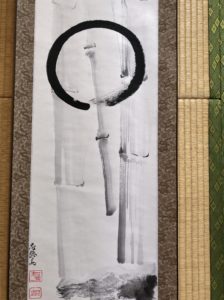
ZEN circle ENSO

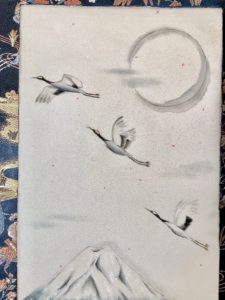
Zen circle is called “Enso”.(円相)

Sometimes different “Kanji”(Chinese character) 円窓 is used for “Enso”, represents “round window”, which means our mind’s window.

Enso is one of Sumi ink painting (Japanese calligraphy) in Zen.

Usually it is drawn in one brushstroke, and is sometimes called “Ichienzu”(一円図)、”Ichienso”(一円相).

~Enso symbolizes absolute enlightenment, strength, elegance, the universe and “mu”(無)(meaning void).  It is characterized by a minimalism born of Japanese aesthetics.~

*Quaoted from Wikipedia

Japanese aesthetics seeking for simplicity is called Wabi-sabi.

Wabi expresses the happiness and mental abundance in the imperfect (hard) circumstances.

Sabi expresses the beauty we can find in imperfection.

So Wabi can be a symbol of inner abundance, and Sabi can be a symbol of outer beauty(simplicity).

When you draw Enso, you have to draw it in one brushstroke, meaning there is no time to stop, no chance to fix.

It is the moment when the mind should be free, and let go of everything.

This is ZEN meditation practice.

In other words, this spiritual practice of drawing Enso is the practice of self-realization.

Sometimes Enso circle is open, which means incomplete.

This incomplete allows more movement, development and practice.

When Enso circle is closed, which represents perfection.

However, how you look at Enso circle and what you have in your mind by looking at it, is totally up to you.

Enso circle is simple, yet really profound and teaches us a lot.

It never stops attracting us, because our entire life is a long trip of self-realization.

I love to draw Enso circle, but at the same time, I love to look at Enso.

Looking at Enso circle is a good meditation.
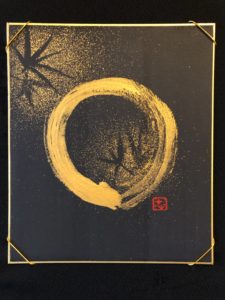
Gold ZEN circle Enso Japanese painting Kakejiku hanging scroll
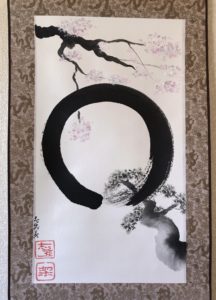
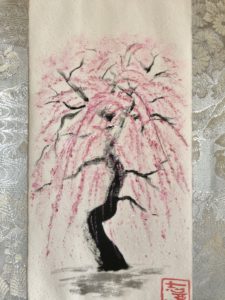
Zen circle Enso with Japanese Sakura and Pine tree hanging scroll
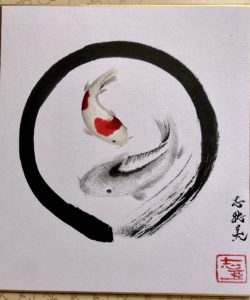
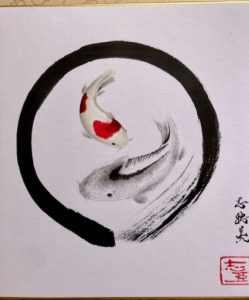
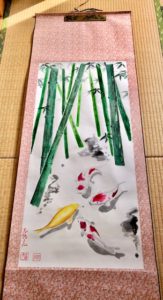
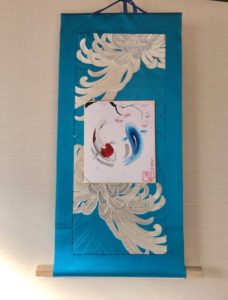
Zen circle with Koi fish painting
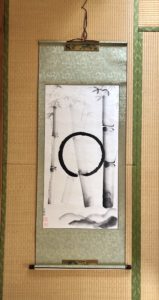
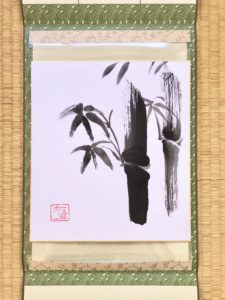
Extra large Japanese Suibokuga painting Zen circle Enso and Bamboo Kakejiku
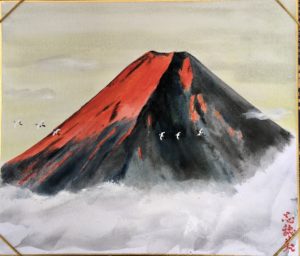
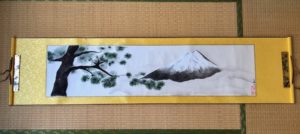
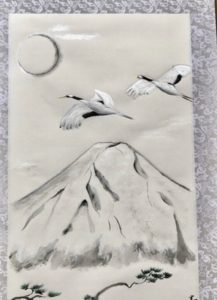
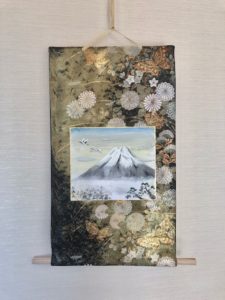
Golden Enso and Mt. Fuji Japanese painting Kakejiku
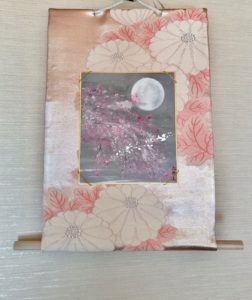
Kimono silk Zen circle Enso and Sakura Kakejiku
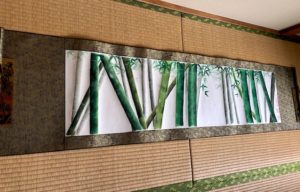
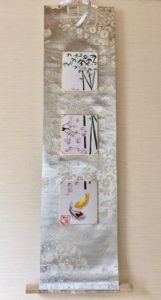
Extra long Zen circle Enso and bamboo Suibokuga painting kakejiku

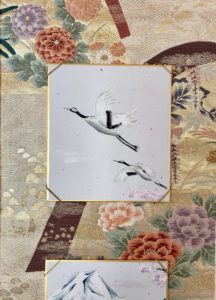
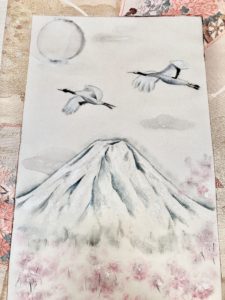
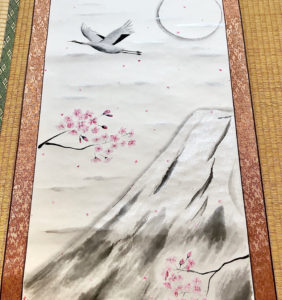
Beautiful Crane birds, Japanese good luck symbol

YouTube video crane bird

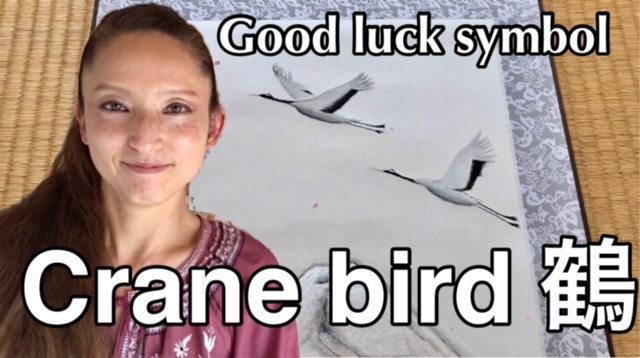
Crane birds – Japanese good luck symbol

We, Japanese have a deep connection with crane birds since ancient times.

The beautiful crane birds can be seen in many occasions, such as Japanese old stories, music, paintings, and so on.
Crane birds are not just beautiful but also thankful, as they are symbols of long life, prosperity and a good luck.

In Japanese phrases, we have “crane birds live a thousand years, turtles live a ten thousand years”

Also crane bird’s voice is said to reach to the heaven, as they cry loudly.

When crane birds make a couple, they stay forever and never separate.

So we symbolize crane bird couple as “good married couple”.

Especially at weddings, we use crane birds in many situations, for special wedding kimono pattern, for wedding venue decorations, or on celebratory statement.

As crane birds are grateful good luck symbols, we believe that owning something with crane bird motif will bring us a good luck and a healthy long life.

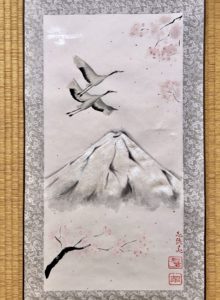
I love to paint these beautiful birds, crane birds on my hanging scrolls too.

crane birds Japanese painting art
Crane birds Japanese painting art Kakejiku
Crane birds Japanese painting Kakejiku art
Crane bird Japanese painting art
Crane birds Japanese painting Kakejiku art
Extra large Japanese painting art Kakejiku crane bird
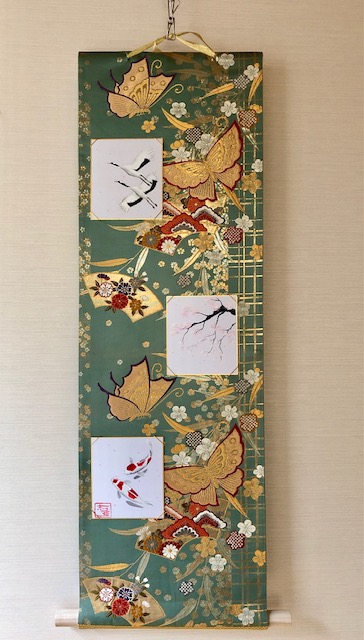
Fukuro obi Kakejiku style Japanese painting art Crane bird, Sakura, Koi fish


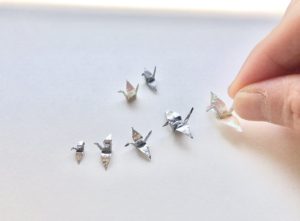
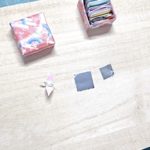
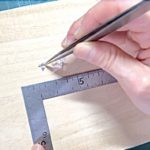
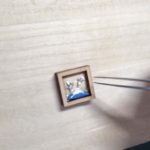
Miniature Orizuru art

tiny miniature orizuru
Tiny miniature Orizuru

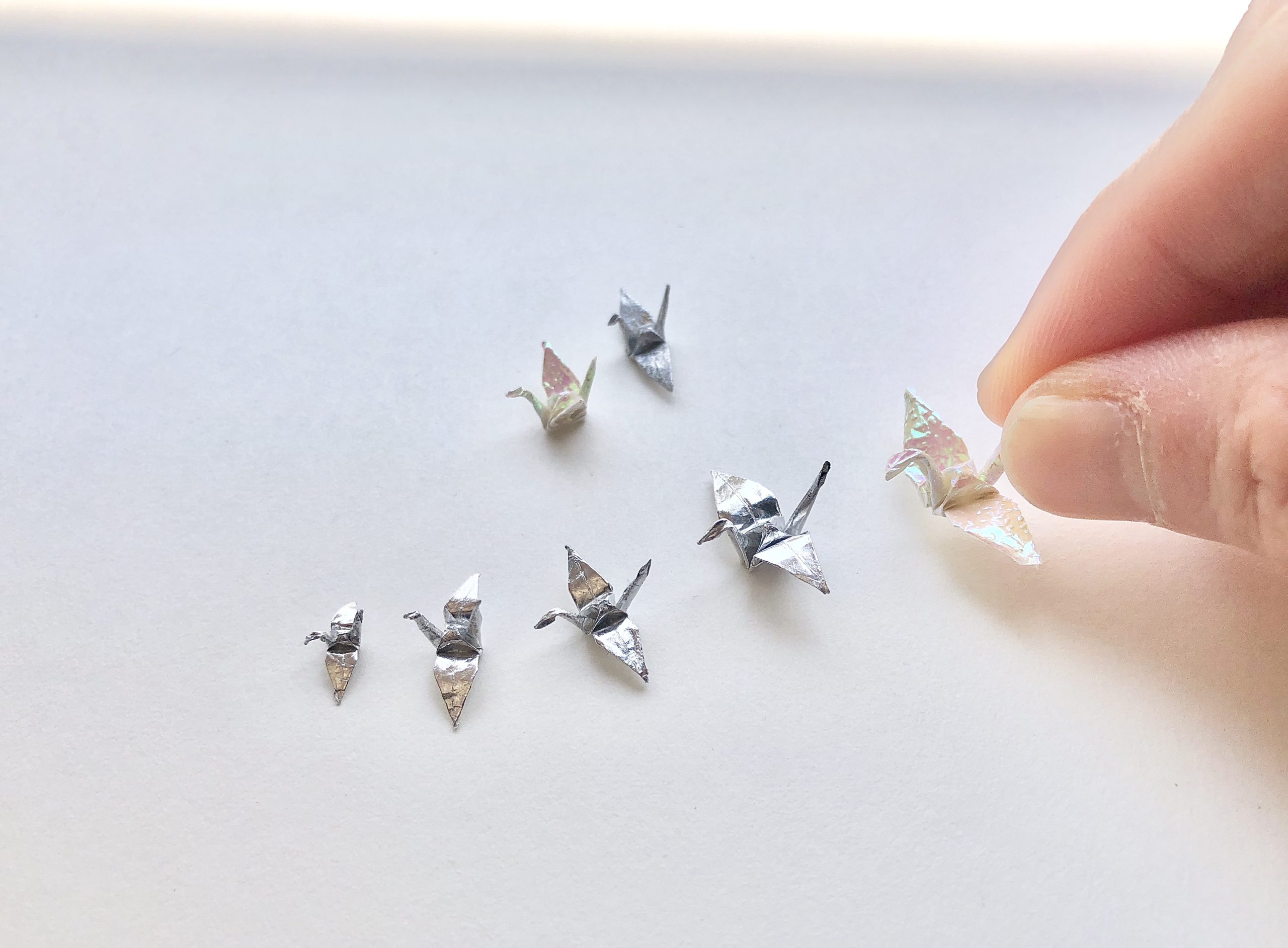
Orizuru is a crane bird made with Origami.

Origami is Japanese traditional paper art and kids activities.

It is said to be brought to Japan by Buddhist monks around the sixth century, however there is no evidence about this and the origin of Origami is unknown.
The oldest mention of Origami is the poem written by Ihara Saikaku in 1680.
Now “ORIGAMI” is well known in the world.

Orizuru – crane bird made with Origami paper-,  is one of the famous Origami art.

In Japan, we use Orizuru in many occasions, such as prayer for health or peace, as crane birds are symbols of a long healthy life and a good fortune.

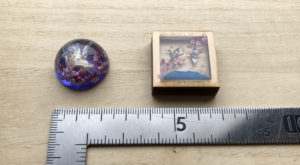
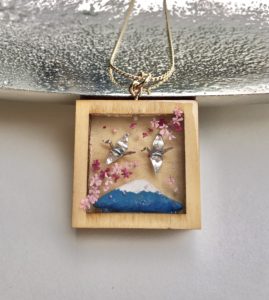
By making miniature Orizuru and putting it in jewelry, the jewelry becomes good luck charm.

miniature Origami

miniature Orizuru

Miniature Orizuru jewelry making

Miniature Orizuru jewelry

Miniature Orizuru jewelry


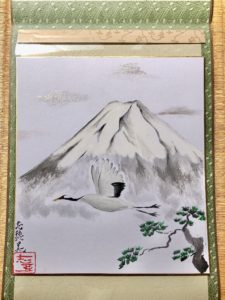
World heritage Mt. Fuji

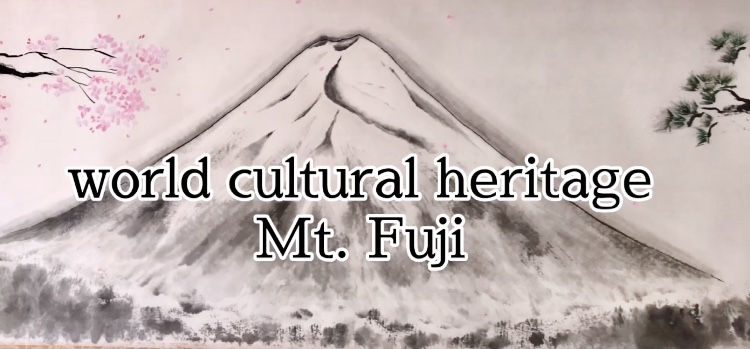
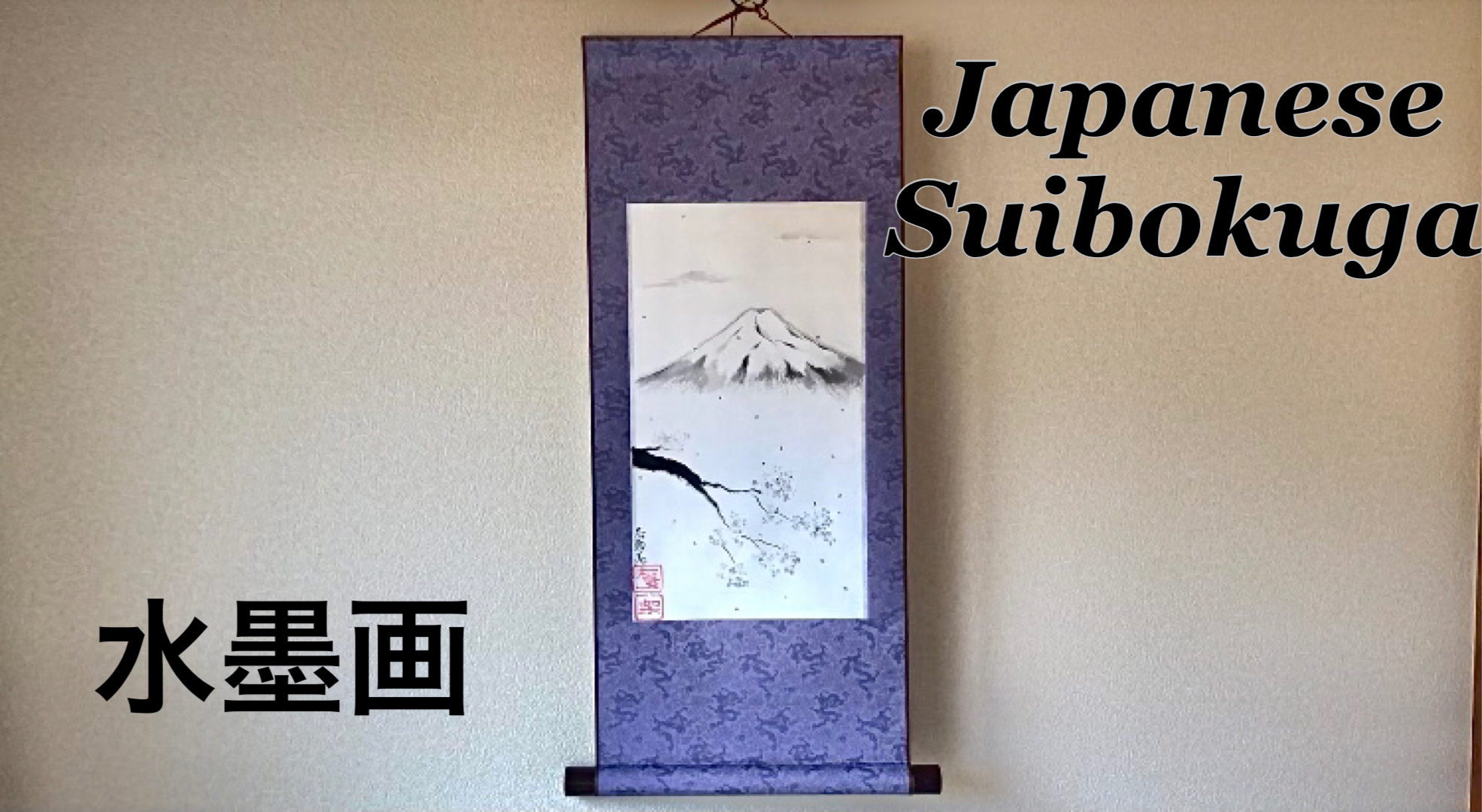
World heritage Mt. Fuji picture in Suibokuga

World heritage -Mt. Fuji

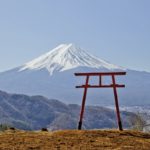
Mt. Fuji is the highest mountain in Japan, the altitude of 3,776m.

It is well known not just in Japan but in the world as the world heritage site.

The reason Mt. Fuji was selected as a World Heritage Site, is not only for its value as a famous mountain of nature and beauty, but also for the faith held by the Japanese in the existence of Mt. Fuji and its value as a source of art born through Mt. Fuji.

Since ancient times, Japanese people felt divinity in Mt. Fuji and admired it as the symbol of spirituality.

They looked up Mt. Fuji and prayed.

How did Mt. Fuji become a mountain of prayer?

Mt. Fuji is the symbol of “mountain worship”.

“Sangaku-shinko ” 山岳信仰”  is a faith worshipping mountains as being sacred.

So what is “Sangaku- shinko” -mountain worship?

Japan is an island country, of around 75% of the land being occupied with mountains and forests.

This fact already made people have strong connections with mountains.

In the old days, the souls of the dead who left their bodies were thought to climb mountains.

When Buddhism was transmitted, people started to believe the souls of the dead climbed the mountain and they would become Buddhas at the summit. As a result, the mountain has come to be regarded as the most sacred place where God and Buddha live together.

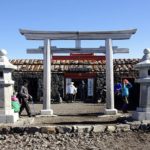
There are many shrines in and around mountains, and of course Mt. Fuji also has shrines called “asama shrine”浅間神社“ on its summit and around it as well.

asama shrine
asama shrine
asama shrine
asama shrine

That is because Mt.Fuji is God himself.

On the other hand, Mt. Fuji is a beautiful active volcano.

There has not been a major eruption in the last 300 years since the last eruption of 1707, but it has a history of being feared not only as beautiful but also as a scary mountain.

Asama Shrine, which is scattered throughout the Mt. Fuji area, also has a deep desire to calm the terrible disaster.

In Western Europe, nature, including mountains, should be conquered by the power of God. There is a big difference from Japan, which feels the sign of God and Buddha from rich nature and thinks that the mountain is a god.

That is the reason that Mt. Fuji is very special mountain for Japanese people.

And as a source of art, famous painters and artists left behind their works that were in some way in connection with Mt. Fuji, especially since Edo period.

From folding screen paintings, fusuma paintings, hanging scrolls, the pilgrimage mandala, which is the object of faith, and as well as the decoration of crafts such as costume patterns, daily fixtures, and furnishings, countless figures of Mt. Fuji were drawn.

I myself, love to draw beautiful Mt. Fuji.

Mt. Fuji has the power to captivate a person from a first look.

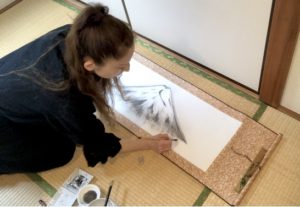
drawing Mt. Fuji in Suibokuga
Mt.Fuji in the sunrise painting
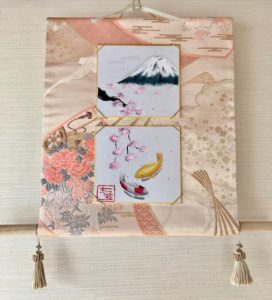
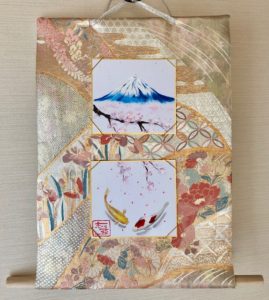
Mt. Fuji with sakura and Koi fish painting hanging scroll
Mt. Fuji at night on the lake
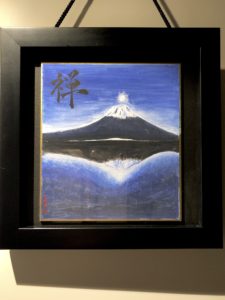
Japanese painting ZEN禅 with Mt. Fuji
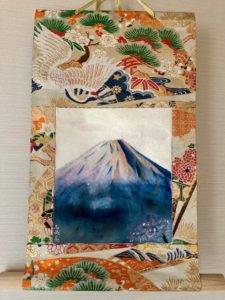
Japanese painting hanging scroll Mt. Fuji Kakejiku art
Gorgeous kimono silk obi belt Japanese painting hanging scroll Mt. Fuji Kakejiku art


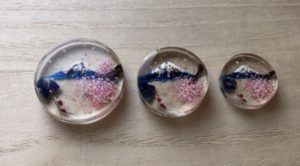
3D painting Japanese world art in jewelry

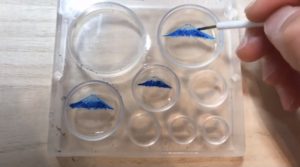
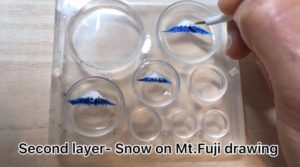
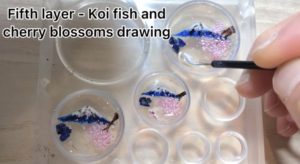
How to make 3D Japanese painting jewelry
3D painting Japanese world art jewelry

I always love to express Japanese beauty and symbols in art, such as paintings and jewelry.

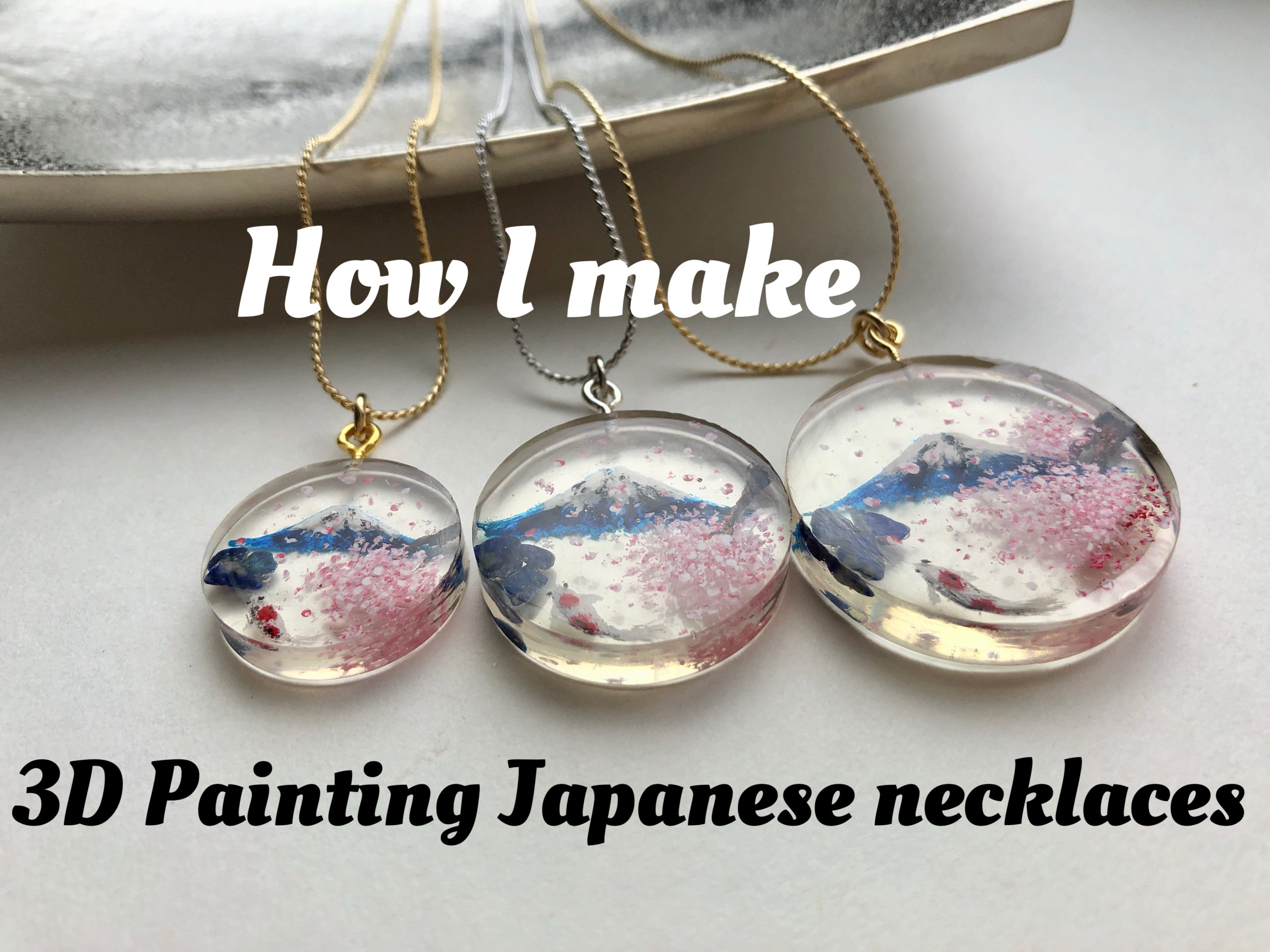
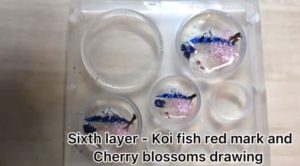
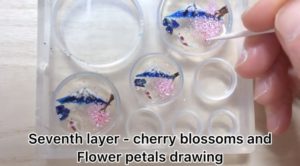
Making Japanese scenery in 3D paintings in accessories is one of my favorite ways of expressing them.

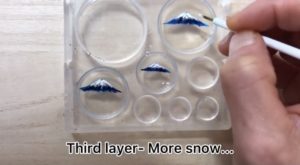
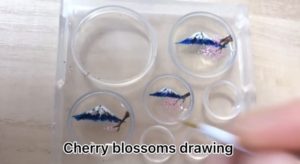
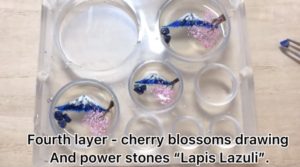
Using resin allows me to make 3D world, by applying paintings in different layers.

It takes time and energy, but the slow procedure of making 3D painting jewelry excites me all the time.

And when it’s done, my affection to these jewelries becomes the special one.

Drawing good luck Japanese symbols, such as Mt. Fuji, Sakura cherry blossoms and Koi fish, and adding power stones,   I can make these jewelry into special good luck items.

How to make 3D painting Japanese world jewelry

How to make 3D painting Japanese world jewelry

How to make 3D painting Japanese world jewelry

How to make 3D painting Japanese world jewelry

How to make 3D painting Japanese world jewelry

How to make 3D painting Japanese world jewelry

How to make 3D painting Japanese world jewelry

How to make 3D painting Japanese world jewelry

Japanese traditional painting art SUIBOKUGA 水墨画

Japanese traditional painting art SUIBOKUGO 水墨画

Suibokuga (水墨画)- Japanese traditional painting art

Suibokuga is sometimes called Zen Painting.

Sumie is painting with ink.

And Suibokuga is one of Sumie painting, with the gradation of dark black to light black.

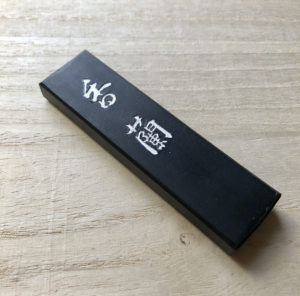
Main tool for Suibokuga, “Sumi ink” is made from mainly soot, animal glue, and perfume.

sumi ink 墨
sumi ink 墨

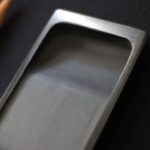
We add a little water into an inkstone (suzuri) and rub sumi ink, it becomes dark black color.

Ink stone SUZURI 硯
Ink stone SUZURI 硯
rub ink with ink stone

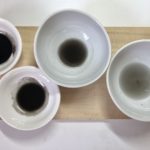
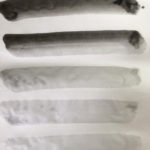
By mixing this black ink with water, we can create the gradation color of black to light grey.

mixing ink with water to make gradation color
gradation black color

In Japan, Suibokuga is not just about paintings drawn with only ink, but we include some colored paintings drawn with mainly ink and some pigments also.

Sumie: The way of painting with ink was already in Japan since Nara period (710 – 794).

And Suibokuga style was brought in Japan at around Kamakura period (1185 – 1333), then became very popular especially at around Muromachi period (1336 – 1573), as Suibokuga style paintings were deeply connected with ZEN temples.

Until 14C, the subjects of Suibokuga were humans called “Jinbutsu ga” (人物画) , and flowers and birds called “Kacho ga” (花鳥画).

In 15C, “Sansuiga”(山水画) , meaning “mountains and water paintings” became popular.

Subjects of this Sansuiga is  nature, such as mountains and water falls, rocks, trees etc.

I love to paint Japanese nature and symbols in Suibokuga.

Sakura cherry trees, bamboo tees, pine trees, Mt. Fuji, crane birds, and koi fish.

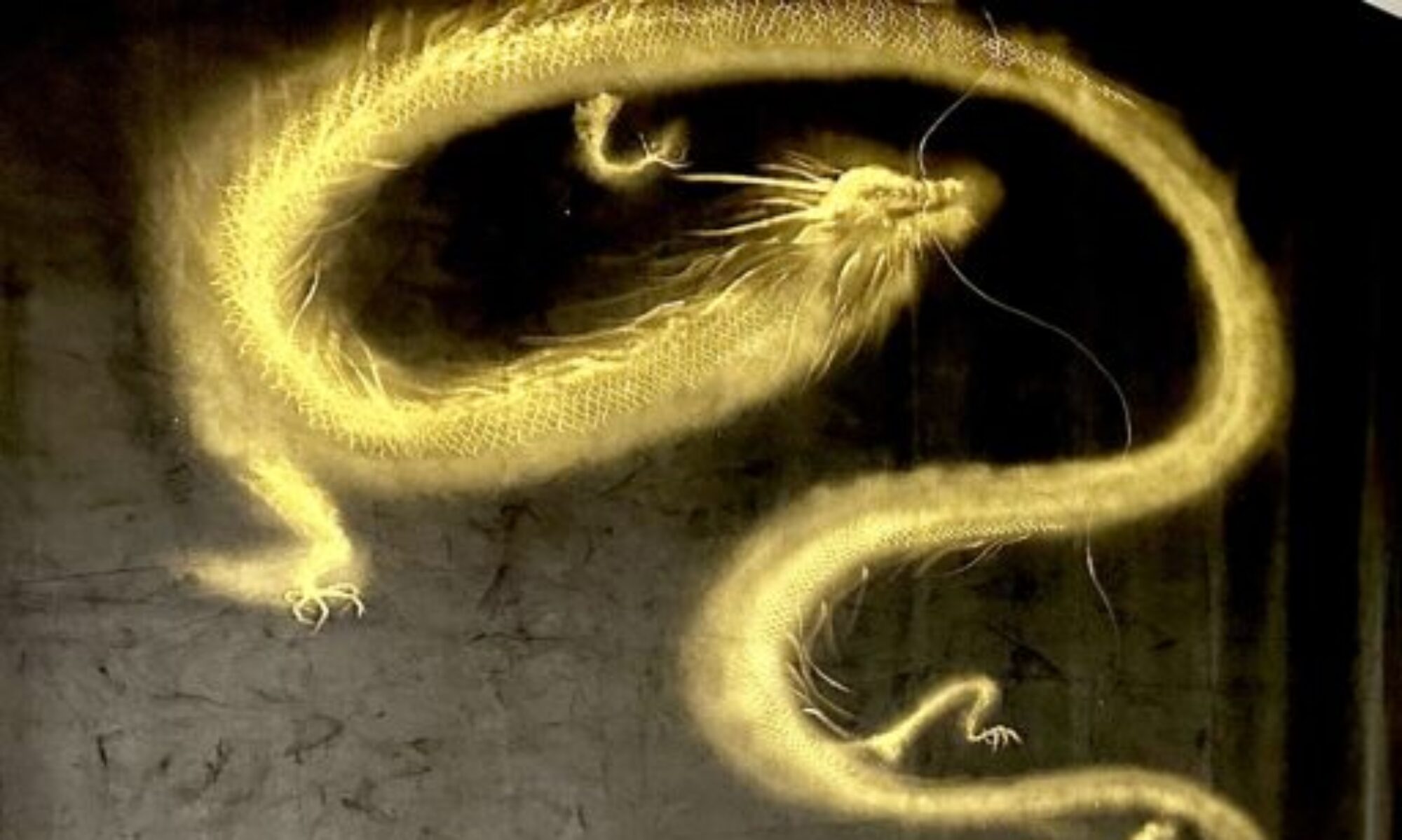
Sometimes tigers and Ryujin dragon god as well.

Tigers and Ryujin dragon god are also very popular subjects for Suibokuga.

I love to express Japanese beauty with the amazing gradation of ink with some colors.

That is my Suibokuga.

Sakura cherry blossoms painting art Kimono silk kakejiku
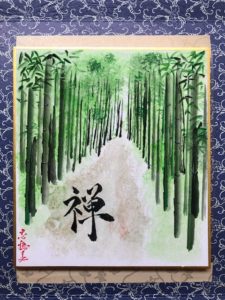
Japanese calligraphy art bamboo hanging scroll
Extra-large Mt.Fuji and Japanese Pine tree hanging scroll, Impressive landscape ZEN style wall decor
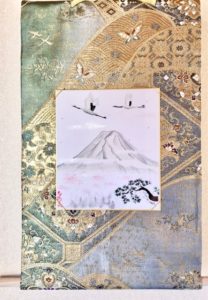
Gorgeous Kimono silk obi Japanese painting Mt. Fuji, crane birds, pine tree wall decor
Japanese painting calligraphy art Kakejiku style wall decoration
Japanese painting of Koi fish in ZEN circle, Enso
Japanese painting calligraphy art hanging scroll Kakejiku wall decor crane birds, Mt.Fuji, Japanese pine tree
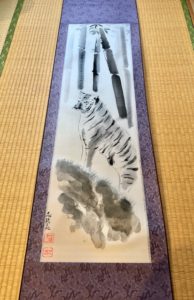
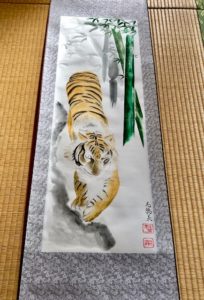
Japanese painting Tiger and bamboo ink art kakejiku
Unique tiger & bamboo Japanese painting Kakejiku hanging scroll
Extra long Drago Ryujin calligraphy art kakejiku hanging scroll

y

The reason why cherry trees were planted

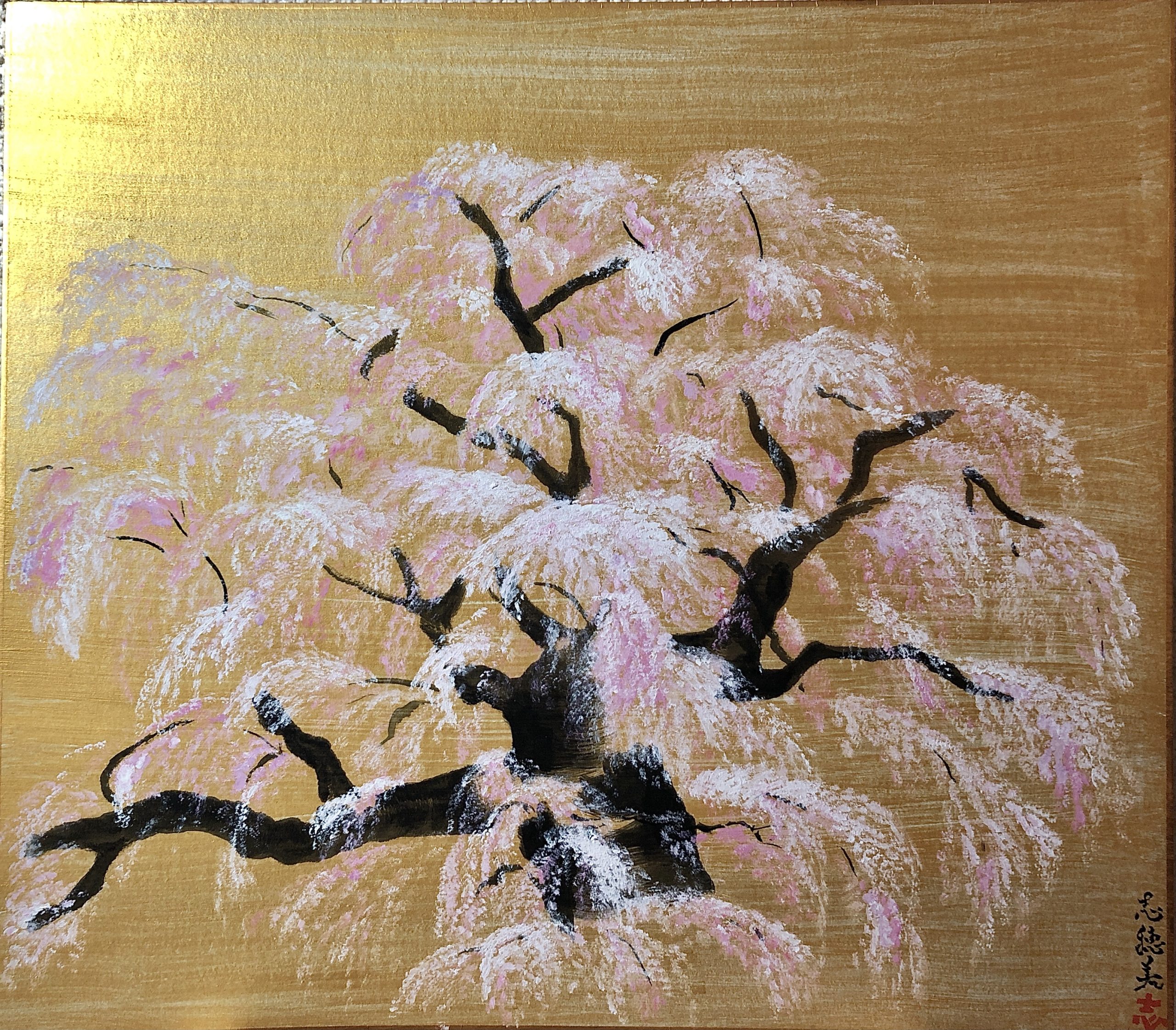
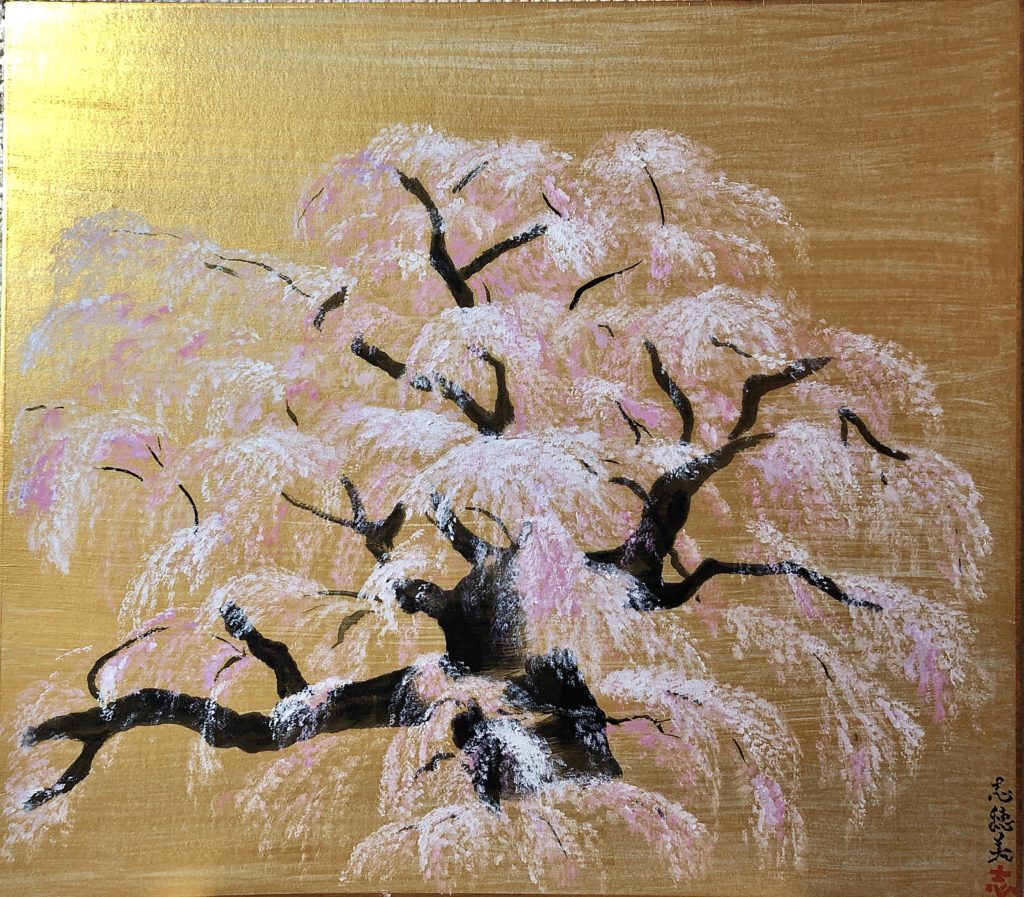
Japanese painting art Sakura cherry blossoms

The reason why cherry trees were planted.

Have you ever thought about the reason why cherry trees were planted?

In Japan, we can see so many cherry trees in everywhere.

Many of them are really old, few hundred years old.

An interesting point is, many cherry trees are planted by rivers.

This has a reasonable reason.

Ancient Japanese people planted cherry trees by rivers, so that many people would come and see the beautiful cherry blossoms.

They knew that many people visiting and walking there, would help make the soil harden, and help make the solid river bank.

So cherry trees were planted as a flood control measures.

Another interesting point is, that many cherry trees are in shrines and temples as well.

Shrines are Shintoism, and originally have deep relations with pine trees, but not with cherry trees.

However, people thought cherry blossoms’ gracefulness symbolizes the samurai spirit, and many shrines preferred to plant cherry trees as well.

Temples are Buddhism which has the deep relations with flowers.

They admired cherry blossoms as well as plum blossoms.

We cannot talk about Japanese history without the relations with temples.

Muromachi era, Sengoku era, around 13C to 16C, many temples already had cherry trees.

Famous Samurai and shogun enjoyed Sakura viewing “Ohanami” since then.

In Japan, people enjoy Sakura viewing “Ohanami” since ancient time, and this is a Japanese culture.

Many famous Sakura spots in Kyoto and Nara are in temples and shrines.

In Tokyo too, many famous Sakura spots are in temples and shrines, as well as by rivers, or near the water.

Ueno park, where many people visit for Sakura viewing, was once a temple.

Imperial palace is surrounded with moat.

Meguro river, Kanda river, Sumida river, Tamagawa river, Arakawa river, are all famous Sakura spots.


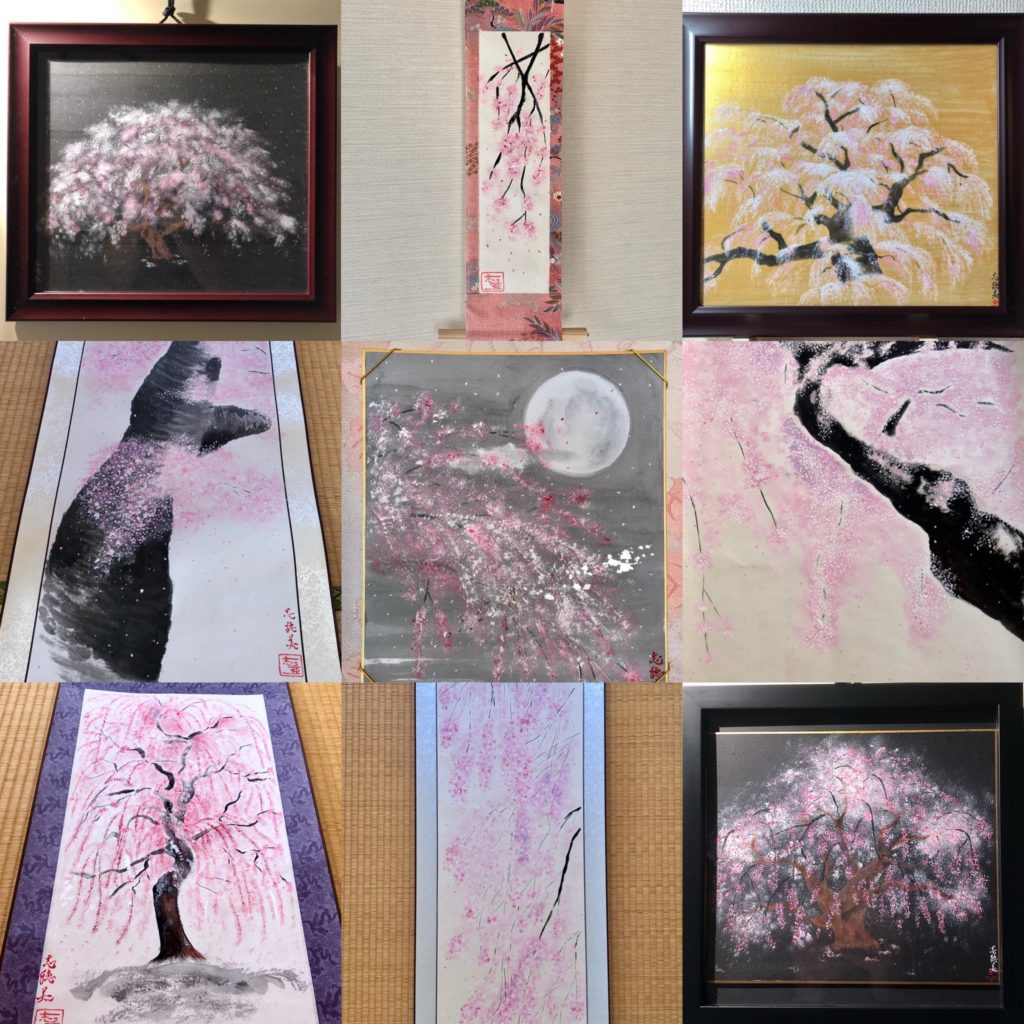
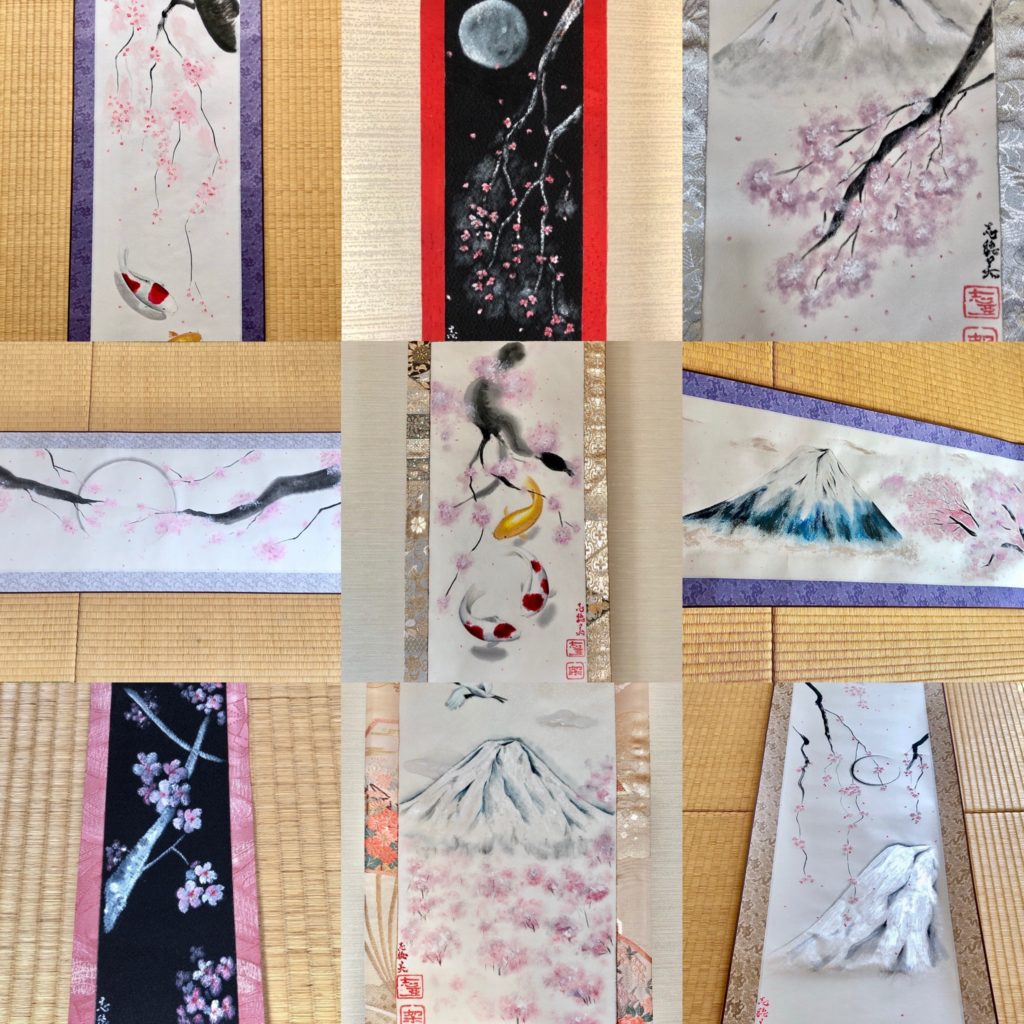
Our Japanese painting art Sakura cherry blossoms series
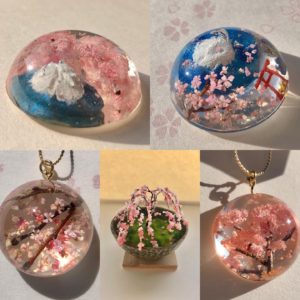
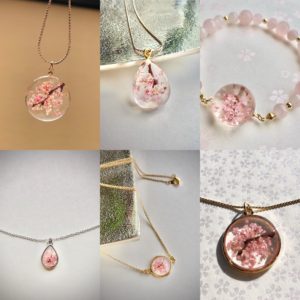
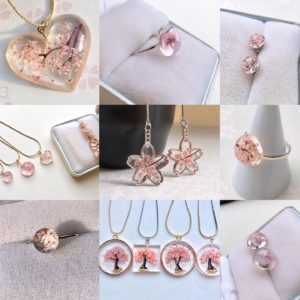
Our Sakura cherry blossoms jewelry series
Our Japanese painting art Sakura cherry blossoms series

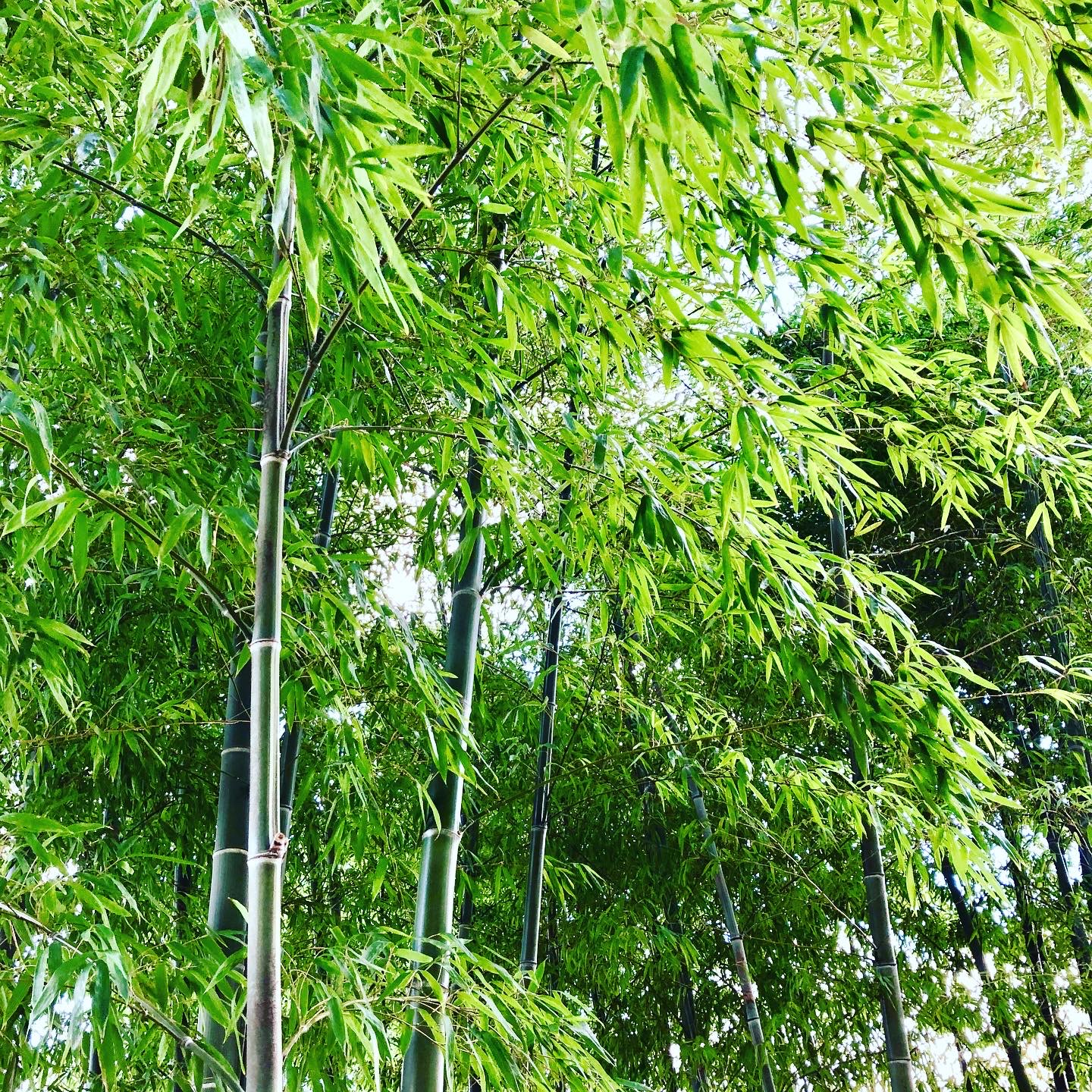
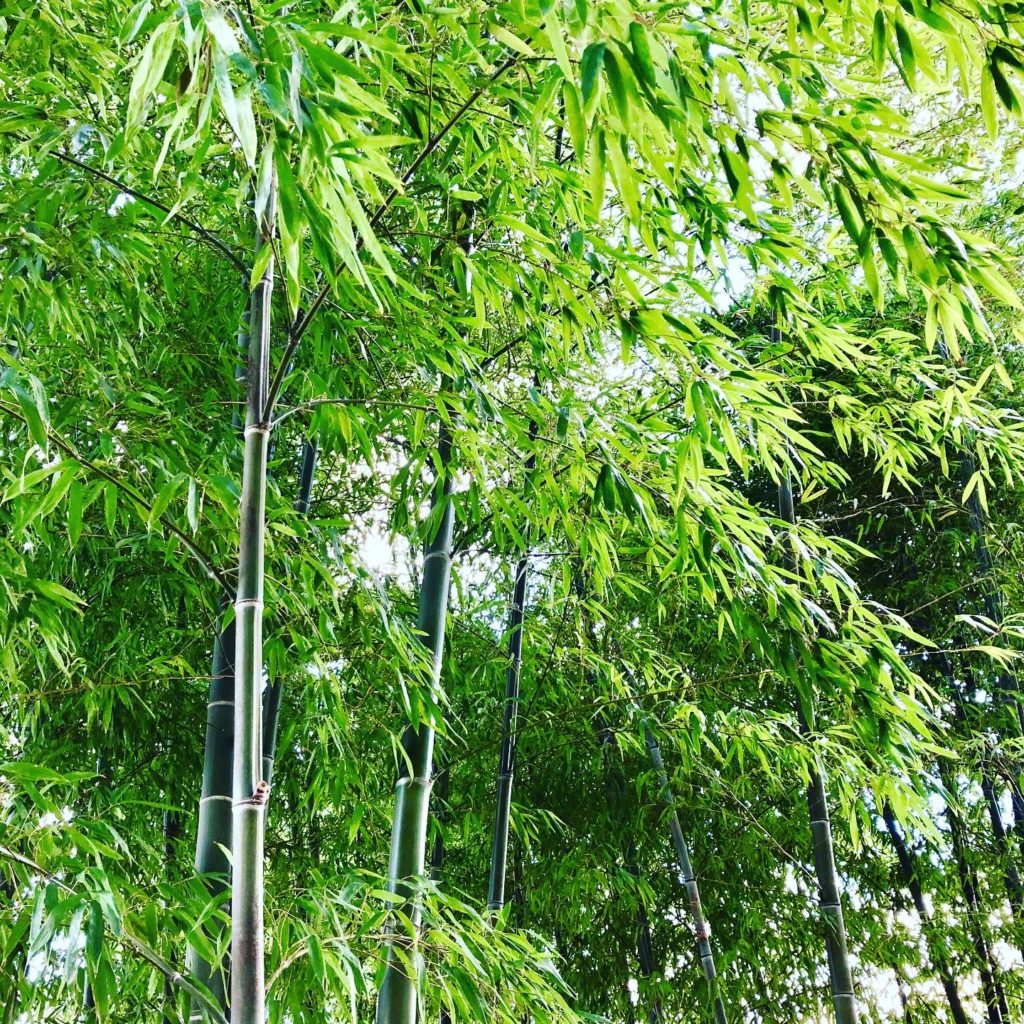
Bamboo forests in Tokyo – hidden bamboo forest spots

Tokyo bamboo forest Travel guide hidden spots

Finding small Kyoto in Tokyo – hidden Bamboo forest in Tokyo

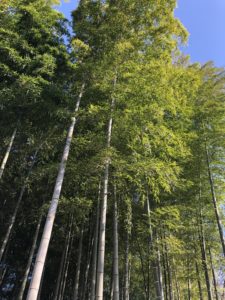
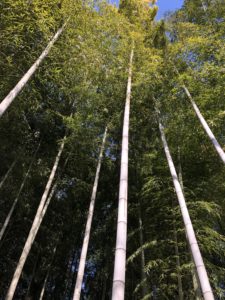
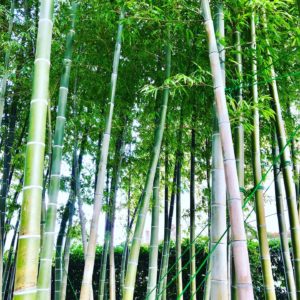
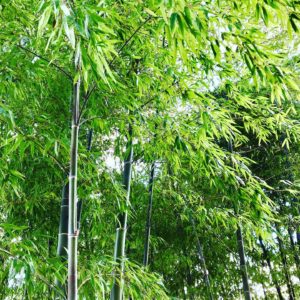
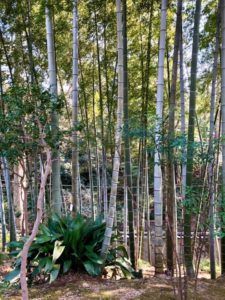
Bamboo trees symbolize Japanese ZEN culture.

When you are in Bamboo forest, you feel very calm and helps you meditate.

Many bamboo forests are in Kyoto, or secluded area.

But you can find bamboo forests in central Tokyo too.

We would like to share some hidden bamboo forests in Tokyo.

If you are living in Tokyo, or if you visit Tokyo, you can experience small Kyoto in these small bamboo forest.

It is a good cycling day trip as well.

First bamboo forest is “Suzume-no-Yado Ryokuchi park” in Himonya, Meguro ward.

Tokyo bamboo forest travel guide Suzume-no-yado Ryokuchi park
Tokyo Bamboo forest travel guide Suzume-no-yado Rhokuchi park

This park has many tall bamboo trees and traditional Japanese style house.

The traditional Japanese style house is open from 9:30 to 15:30.

But bamboo trees area is open for 24 hours.

Second bamboo forest is “Roka Koshun-en Gardens” in Setagaya ward.

Tokyo Bamboo forest guide Roka Koshu-en gardens
Tokyo Bamboo forest travel guide Roka Koshu-en Gardens

It is located near “Roka-Koen station” of Keio line.

It is about 40-50 minutes cycling from central Tokyo.

This park is free, but open hour is 9:00-16:30.

There are lots of tall bamboo trees, cherry trees and a memorial house of a famous Japanese writer, “Roka Tokutomi”.

You can go inside this memorial house, which has Japanese old style, and very interesting.

Third bamboo forest is “Senzoku Ike” in Ota ward.

Tokyo Bamboo forest travel guide Senzokuike Myofuku ji temple
Tokyo Bamboo forest travel guide Senzokuike Myofukuji temple
Tokyo bamboo forest Travel guide hidden spots
Tokyo bamboo forest hidden spots Travel guide Senzokuike Myofukuji temple 

It is located beside “Senzokuike station” of Tokyu Ikegami line.

There is a big pond with Koi fish, cherry trees and a shrine.

Beside this park, there is a temple called “Myofuku ji”.

This temple has small but beautiful bamboo trees.

Lastly, we want to talk about “Todoroki Keikoku” in Setagaya ward.

Tokyo Bamboo forest travel guide Todoroki Keikoku

This “Todoroki Keikoku” park is about 30-40 minutes bicycle ride from central Tokyo.

Or you can go there by train using “Oimachi line” to “Todoroki station”.

In there, you can enjoy nature here, with walking beside the river.

“Keikoku” means valley, and this is a unique small valley that you can experience in Tokyo.

This place has a temple and a Japanese garden area.

In the Japanese garden, there are some bamboo trees, plum blossoms and cherry blossoms.

Those places are bamboo forest spots that we discovered in Tokyo.

We hope you will add these spots to your “Tokyo explore list”!

Photos below are our Bamboo items.

Extra large landscape bamboo forest Japanese painting art wall decoration
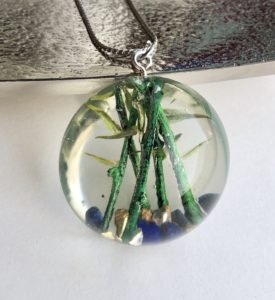
Extra large crystal glass 3D miniature bamboo forest necklace
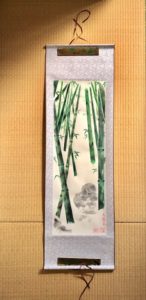
Japanese painting calligraphy art hanging scroll Kakejiku wall decor bamboo
Japanese painting calligraphy art hanging scroll Kakejiku wall decor Koi fish and bamboo
Japanese painting calligraphy art hanging scroll Kakejiku wall decor Koi fish and Sakura
Kakejiku style Japanese bamboo painting small wall decoration
Japanese calligraphy art bamboo hanging scroll

Please visit our Etsy shop for those items and more.

Etsy.com- JapanCrossBridge

Kakejiku style wall decoration – Fukuro obi belt

Fukuro obi Kakejiku style Japanese painting art Crane bird, Sakura, Koi fish
Fukuro obi Kakejiku style wall decor Mt.FUji Sakura Koi
Fukuro obi Kakejiku style wall decor blue koi and nishiki goi
Fukuro obi Kakejiku style wall decor blue koi and nishiki goi with Sakura

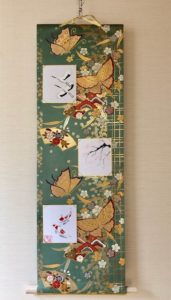
Fukuro Obi belts are precious obi belts for Japanese Kimono.

They are usually made with silk, having Japanese patterns.

Shiny silk threads create beautiful and gorgeous looks.

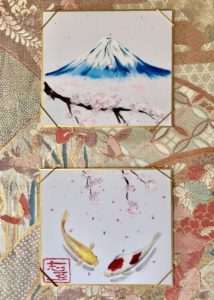
These obi belts can become gorgeous decorations by themselves.

Kakejiku style wall decorations using these Fukuro obi are made to enjoy their own beauty.

Small Japanese paintings are not the main stars here.

Gorgeous Fukuro obi belts are the main stars.

This Kakejiku style wall decorations have their uniqueness- with the combination of Fukuro obi and Japanese painting.

Fukuro obi Kakejiku style wall decor Mt.FUji, Sakura, Koi
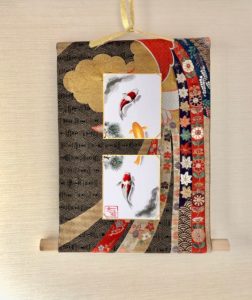
Fukuro obi belt Kakejiku style wall decor Koi fish and pine tree
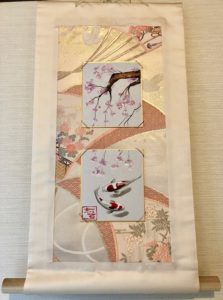
Fukuro obi belt Kakejiku style wall decor Sakura and Koi
Fukuro obi belt Kakejiku style wall decor Koi Sakura bamboo
Fukuro obi belt Kakejiku style wall decor YOZAKURA sakura in full moon night
Fukuro obi belt Kakejiku style wall decor Mt.Fuji, crane bird, pine tree

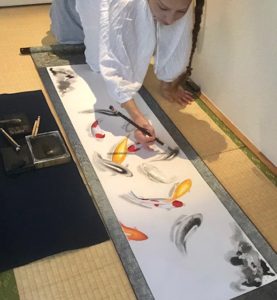
Drawing Japanese Koi pond

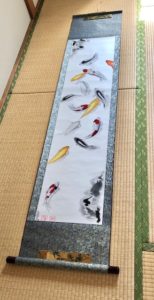
Japanese calligraphy painting of Koi pond Kakejiku hanging scroll

Most of Japanese gardens have Koi pond.

Koi pond is the symbol of Japanese garden.

There are stones around Koi pond, sometimes there is even a stone bridge over the koi pond.

Pine trees, bamboo trees and other trees are around the pond.

In the water, usually colorful koi fish called “Nishiki goi” are swimming.

The color is gold, white, silver, red, orange, black, etc.

And especially red & white combination koi fish is highly valued.

We consider Koi fish as a good luck symbol.

Koi fish is believed to bring us a good luck as well as prosperity.

Just looking at those koi fish swimming in the water is very soothing.

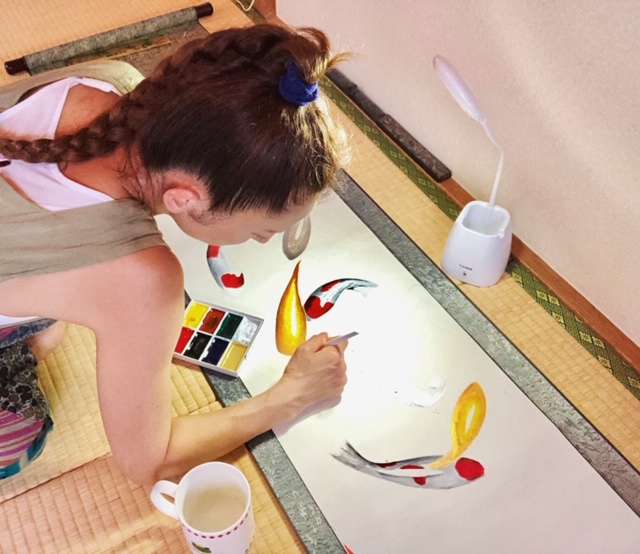
Drawing koi fish has the same healing effect as meditation does to me.

They are beautiful and always give me the enthusiasm to draw them.

extra large Koi pond Japanese calligraphy painting Kakejiku hanging scroll
Extra large Koi pond Japanese calligraphy painting Kakejiku hanging scroll